

At a Glance
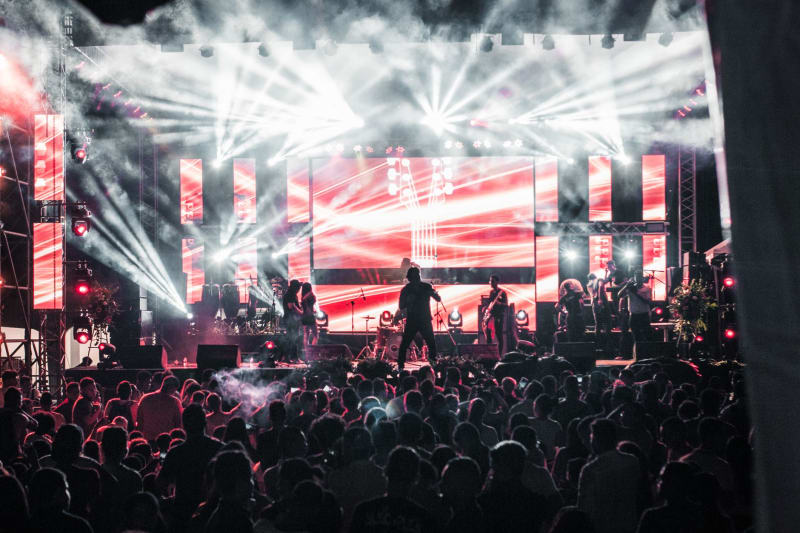
- The new waterfront amphitheater in Long Beach is officially ready to open its doors, marking a significant milestone for the city's entertainment and cultural scene.
- Designed to host a diverse range of performances, from major music artists to community events, the venue aims to become a premier destination for live entertainment on the West Coast.
- Significant investment has been poured into the amphitheater's construction, focusing on state-of-the-art acoustics, comfortable seating, and a visually stunning design that complements the picturesque waterfront setting.
- Local officials and community leaders anticipate the amphitheater will boost tourism, create numerous job opportunities, and foster a greater sense of community pride through shared cultural experiences.
- The opening signifies the culmination of years of planning, public input, and construction, overcoming various logistical and financial challenges to bring this ambitious project to fruition.
- This development is expected to have a ripple effect on surrounding businesses, including restaurants, hotels, and retail establishments, further energizing the local economy and enhancing the visitor experience.
The Record
The journey to the Long Beach waterfront amphitheater's opening has been a long and complex one, marked by ambitious vision and considerable effort. Initial proposals for a significant entertainment venue on the waterfront date back several years, driven by a desire to capitalize on the city's prime coastal location and attract larger-scale events. The project faced numerous hurdles, including securing funding, navigating environmental impact assessments, and engaging in extensive public consultations to address community concerns regarding noise, traffic, and aesthetic integration. Despite these challenges, a dedicated coalition of city officials, developers, and community stakeholders persevered, refining plans and forging partnerships to ensure the project's viability and success. The final design emphasizes a blend of modern architectural elements with a sensitivity to the natural beauty of the coastline, aiming to create an iconic landmark that enhances the city's appeal.
Construction officially commenced after securing all necessary permits and approvals, representing a major investment in Long Beach's infrastructure and cultural offerings. The building process itself was a feat of engineering, involving intricate site preparation along the waterfront, the installation of advanced sound and lighting systems, and the meticulous assembly of seating structures designed for optimal viewing and comfort. Throughout the construction phase, a strong emphasis was placed on sustainable building practices and minimizing disruption to the surrounding environment and local businesses. Regular progress reports and community updates were provided to maintain transparency and address any emerging issues promptly. The project's timeline was carefully managed, with contingency plans in place to mitigate potential delays, ultimately leading to the successful completion of this landmark facility.
The operational framework for the amphitheater has been meticulously developed, outlining strategies for programming, security, concessions, and community engagement. A dedicated management team has been assembled, bringing expertise in venue operations, event planning, and audience experience. Partnerships have been forged with leading talent agencies and promoters to ensure a diverse and high-caliber lineup of performances throughout the year. Protocols for crowd management, emergency response, and public safety have been established in collaboration with local law enforcement and emergency services. Furthermore, a comprehensive marketing and outreach strategy is in place to promote the venue, attract visitors from both within and outside the region, and foster strong relationships with the local community, ensuring the amphitheater becomes a vibrant hub for arts and culture.
Who Knew and When
The genesis of the Long Beach waterfront amphitheater concept can be traced back over a decade, with initial discussions emerging from a broader strategic plan to revitalize the city's coastal areas and enhance its appeal as a tourist destination. Early feasibility studies, conducted around 2012-2013, explored the potential for a medium-to-large scale outdoor performance venue, identifying the waterfront as an ideal location due to its scenic beauty and accessibility. These initial explorations, primarily driven by the city's economic development department and a select group of community leaders, recognized the untapped potential for major live entertainment events in Long Beach. The findings suggested that such a venue could significantly boost local revenue and create a unique cultural anchor for the city, differentiating it from neighboring municipalities.
Formal planning and public engagement efforts began in earnest around 2015, following the positive reception of the initial studies. This phase involved the formation of a dedicated task force comprising city officials, urban planners, architectural consultants, and representatives from various community groups. Public forums and workshops were held throughout 2016 and 2017, allowing residents to voice their opinions, concerns, and aspirations for the project. Key decisions regarding the venue's size, capacity, design aesthetic, and potential programming were shaped by this extensive feedback, ensuring the project aligned with community values. It was during this period that the core vision of a versatile, state-of-the-art facility that could host both large-scale concerts and intimate community gatherings solidified.
The critical juncture for the project arrived in late 2018 when the city council approved the final development plan and authorized the necessary funding mechanisms, including a mix of public bonds and private investment. This approval greenlit the commencement of the detailed design phase and the subsequent bidding process for construction contracts. The selection of the primary development partner and the architectural firm occurred in early 2019, marking the transition from conceptualization to tangible execution. Construction officially broke ground in mid-2019, with an anticipated completion date initially set for late 2021. While the project timeline experienced some adjustments due to unforeseen circumstances, the commitment to realizing the amphitheater remained steadfast, culminating in its readiness for opening.
Voices from the Ground
Local business owners in the vicinity of the new amphitheater express a palpable sense of optimism, viewing the venue as a significant catalyst for economic revitalization. Maria Rodriguez, owner of a popular beachfront cafe, shared, "We've been anticipating this for years. We expect a substantial increase in foot traffic, especially on event nights. We're already planning to extend our hours and expand our menu to cater to concert-goers. This amphitheater isn't just a venue; it's an investment in our community's future, and we're ready to welcome the energy it will bring." Her sentiment is echoed by many, who see the amphitheater as a much-needed boost after challenging economic periods, envisioning a more vibrant and prosperous downtown waterfront.
Residents living closest to the proposed site have voiced a mixture of excitement and concern, with a focus on potential impacts like noise pollution and increased traffic congestion. John Chen, a long-time resident of the adjacent neighborhood, stated, "While I'm thrilled about the prospect of world-class entertainment coming to our city, my primary worry is the noise level and how it will affect our quality of life, especially during late-night performances. We've been assured that sound mitigation measures are in place, but we'll be watching closely to ensure those promises are kept." He added that improved public transportation options and clear parking regulations would be crucial for managing the influx of visitors.
Artists and cultural organizers within Long Beach see the amphitheater as a transformative platform for local talent and a significant draw for national and international acts. Sarah Jenkins, director of a local arts non-profit, commented, "This venue provides an incredible opportunity to showcase Long Beach's rich artistic community on a grand stage. It opens doors for collaborations and provides a much-needed professional venue for our musicians and performers to reach wider audiences. We anticipate it will inspire a new generation of artists and solidify Long Beach's reputation as a cultural hub." The hope is that the amphitheater will not only host major touring artists but also dedicate significant programming to elevate local arts and culture.
The Debate
The central debate surrounding the new waterfront amphitheater revolves around its potential economic benefits versus the environmental and social costs. Proponents highlight the projected surge in tourism revenue, job creation, and increased local tax income, arguing that the venue will transform Long Beach into a premier entertainment destination. They point to similar venues in other cities that have successfully revitalized their waterfronts and stimulated surrounding economies. The argument is that the long-term economic gains and enhanced city prestige far outweigh the initial investment and any temporary disruptions caused during construction and initial operation, positioning the amphitheater as a vital engine for growth.
Conversely, critics and some concerned residents raise significant questions about the long-term sustainability and equitable distribution of the amphitheater's benefits. Concerns about increased traffic congestion, potential strain on public services, and the environmental impact on the sensitive coastal ecosystem are frequently cited. There is also a debate about whether the primary beneficiaries will be large corporations and out-of-town visitors, or if the local community, particularly residents in adjacent neighborhoods, will truly see tangible improvements in their quality of life. Questions linger about the adequacy of noise mitigation measures and the potential for the venue to exacerbate existing social and economic disparities within the city.
Furthermore, the debate extends to the programming and accessibility of the venue. While the promise is for diverse entertainment, some worry that the focus will inevitably shift towards high-priced, mainstream acts, potentially pricing out local artists and lower-income residents. Discussions are ongoing regarding the balance between commercial viability and community access, with calls for a portion of events to be dedicated to affordable, community-focused programming. Ensuring that the amphitheater serves as a true public amenity, rather than solely a private enterprise, remains a key point of contention and a crucial factor in determining its ultimate success and positive impact on Long Beach.
Your Questions Answered
What Accountability Looks Like
Accountability for the Long Beach waterfront amphitheater's success will be measured through a multi-faceted approach, focusing on transparency, community benefit, and operational excellence. Key performance indicators will include attendance figures, revenue generation, local job creation statistics, and the diversity of programming offered. Regular public reporting on these metrics will be crucial, ensuring that stakeholders have a clear understanding of the venue's impact. Furthermore, mechanisms for ongoing community feedback, such as dedicated liaison officers and accessible complaint resolution processes, will be vital for addressing concerns related to noise, traffic, and local impact in a timely and effective manner.
The city government and the venue's management entity will be held accountable for adhering to the environmental mitigation strategies and noise control regulations established during the planning phase. Independent environmental monitoring and regular audits of operational practices will ensure compliance. Success will also be defined by the extent to which the amphitheater fosters genuine community engagement, including providing accessible performance opportunities for local artists and affordable event options for residents. Accountability here means ensuring the venue serves as a true public asset that enhances the quality of life and cultural vibrancy of Long Beach for all its inhabitants.
Financial transparency will be paramount, with detailed reporting on ticket sales, operational costs, and any public subsidies or revenue-sharing agreements. This will allow taxpayers and community members to assess the economic viability and return on investment of the project. Long-term accountability also involves adapting the venue's operations and programming to meet the evolving needs and preferences of the community and the entertainment market. A commitment to continuous improvement, responsiveness to feedback, and a proactive approach to addressing challenges will be essential indicators of responsible stewardship of this significant public resource.















Comments
No comments yet. Be the first to comment!