
Key Takeaways
- A high-ranking Russian official, reportedly central to ammunition procurement, was killed in a car bomb attack within Moscow, marking an unprecedented security breach in the capital.
- This audacious incident dramatically escalates the conflict, bringing its brutal realities directly into the heart of Russia's power structure and challenging the Kremlin's narrative of domestic stability.
- While Ukrainian authorities have not claimed responsibility, the attack's strategic targeting of a critical military figure suggests a deliberate effort to disrupt Russia's war machine.
- The assassination is poised to trigger a severe tightening of internal security measures across Russia and could provoke significant retaliatory actions against Ukraine, intensifying the conflict further.
- International observers are closely monitoring Moscow's response, anticipating potential shifts in its military strategy and a heightened period of geopolitical tension following this audacious act.
- The precise identity of the victim and the full circumstances surrounding the explosion remain under intense investigation, fueling speculation about the perpetrators and their ultimate objectives.
Background
The ongoing conflict in Ukraine has, until recently, largely spared Moscow from direct, high-profile attacks since the full-scale invasion commenced in February 2022. While drone incursions and sabotage attempts have been reported in border regions and on critical infrastructure, a targeted assassination by car bomb within the capital represents a dramatic and concerning shift in the conflict's geography and nature. This incident shatters the perception of a distant war, bringing its violent repercussions to the very doorstep of the Kremlin and its elite. The meticulous planning required for such an operation suggests a sophisticated actor, challenging the robust internal security apparatus that typically safeguards the Russian capital.
Russian officials have previously attributed various acts of sabotage and drone attacks to Ukrainian forces or their proxies, often using such incidents to rally domestic support for the war. However, the assassination of a high-ranking official, reportedly involved in the critical domain of ammunition supply, elevates the stakes considerably. This event occurs amidst a grinding war of attrition in eastern Ukraine, where both sides are expending vast quantities of munitions, making any disruption to Russia's supply chains or leadership in this sector particularly impactful. The broader geopolitical context includes escalating Western military aid to Ukraine and increasingly bellicose rhetoric from both Moscow and Kyiv, creating an environment ripe for such dramatic and unexpected developments.
The historical precedent for such high-profile attacks within Russia's capital is rare, underscoring the gravity of this event. While the war has seen numerous mysterious deaths and assassinations, particularly in occupied territories, these have seldom targeted figures so central to the military-industrial complex within Moscow itself. The implications extend beyond immediate security concerns; it forces a reassessment of Russia's vulnerability and potentially signals a new, more audacious phase of hybrid warfare. The incident will undoubtedly prompt a thorough review of security protocols for key officials and critical infrastructure, while also influencing the Kremlin's strategic calculations regarding its ongoing military campaign.
Why It Matters
This incident is a profoundly destabilizing development, signaling a potential new and far more audacious phase of the conflict. A car bomb assassination in Moscow, specifically targeting a figure reportedly pivotal to ammunition procurement, directly challenges the Kremlin's carefully constructed narrative of domestic stability and unwavering control within its own borders. Such an act can ignite a swift and severe wave of internal security crackdowns, further eroding civil liberties and potentially galvanizing public support for the war effort through appeals to national unity, or, conversely, sowing deep-seated doubt about the government's fundamental ability to protect its most critical assets and citizens. The immediate implications for domestic politics and social cohesion within Russia are immense, pushing the state towards more authoritarian measures.
For Ukraine, even without an official claim of responsibility, such an event delivers a powerful psychological blow to Russia, exposing a profound vulnerability at the highest echelons of power and within the very heart of its capital. The strategic targeting of an ammunition chief is not merely symbolic; it could have tangible, albeit potentially temporary, repercussions for Russia's already strained ammunition supply lines, a critical factor in the grinding war of attrition on the front lines. Any disruption to this vital logistical chain could impact the intensity and sustainability of Russian offensive operations, providing a potential, albeit indirect, advantage to Ukrainian forces. This incident serves as a stark reminder that the conflict's reach is expanding beyond the battlefield.
Moreover, the assassination raises the alarming specter of severe retaliatory actions from Moscow. The Kremlin, under immense pressure to demonstrate strength and restore order, may feel compelled to respond with even more brutal and indiscriminate strikes against Ukrainian cities, infrastructure, or military targets. This could trigger a dangerous escalation spiral, pushing the conflict into an even more destructive phase with potentially catastrophic humanitarian consequences. The international community is now on high alert, watching closely for how this event influences the war's trajectory, the Kremlin's internal dynamics, and the broader geopolitical landscape, as it undeniably underscores the unpredictable and increasingly perilous nature of modern warfare and covert operations.
Ground Reality
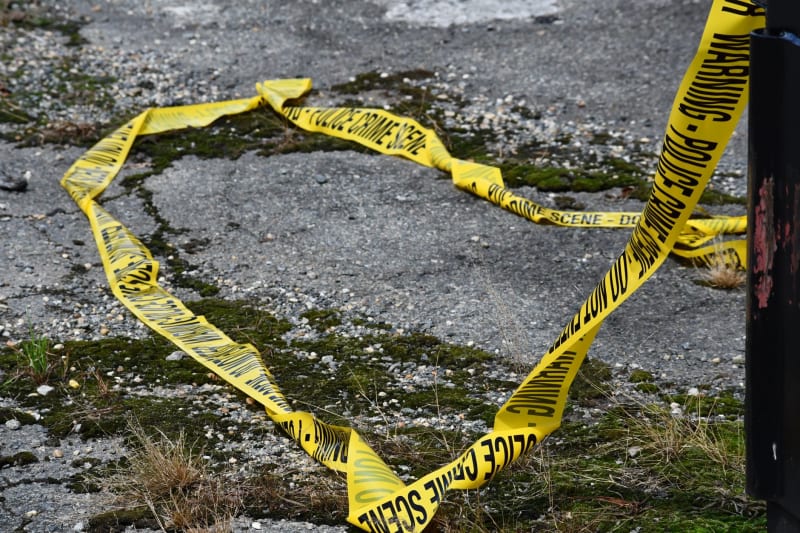
Reports from both Russian state media and independent outlets confirm that the car bomb detonated in a residential district of Moscow, causing extensive damage to the targeted vehicle and creating a scene of immediate chaos. The victim, widely identified as a senior figure within Russia's defense procurement apparatus, was reportedly killed instantly in the powerful explosion. Eyewitness accounts describe a sudden, deafening blast followed by plumes of smoke and the rapid deployment of emergency services and heavily armed security forces. The area was immediately cordoned off, with investigators swiftly initiating a comprehensive forensic examination of the blast site, underscoring the urgency and gravity with which Russian authorities are treating the incident.
The incident has sent palpable shockwaves throughout Moscow, a city that, despite the ongoing conflict, has largely maintained a veneer of normalcy and insulation from direct violence. The immediate aftermath saw a noticeable surge in security presence across the capital, with increased police patrols, heightened surveillance, and additional checkpoints implemented at key locations. While official statements from the Kremlin have remained cautiously measured, primarily emphasizing the ongoing investigation, the underlying tension and public apprehension are undeniable. This attack starkly contrasts with the previous narrative that the conflict was contained far from the Russian capital, bringing the brutal realities of war directly to its doorstep and challenging the sense of security many residents had previously held.
The precise location of the attack, deep within a seemingly secure residential area of Moscow, suggests a highly sophisticated and meticulously planned operation. This raises profound questions about the capabilities of the perpetrators and the potential for further such incidents, which could severely undermine public confidence in the state's protective capacities. The ability to execute such a high-profile assassination in the heart of the Russian capital points to either significant internal security vulnerabilities or the involvement of external actors with exceptional intelligence and operational reach. This event forces a critical re-evaluation of Russia's counter-terrorism and counter-intelligence strategies, highlighting potential weaknesses that could be exploited in the future, thereby increasing instability.
What Experts Are Saying
Security analysts worldwide are intensely scrutinizing the implications of this audacious car bomb attack in Moscow, with many emphasizing the sophisticated nature of the operation. The consensus points towards either a highly organized internal dissident group with significant resources and intelligence capabilities, or external state actors demonstrating an unprecedented reach into the Russian capital. Some experts, while acknowledging the lack of concrete evidence, have cautiously raised the controversial theory of a 'false flag' operation, orchestrated by elements within the Kremlin itself to consolidate power, rally domestic support for the war, or justify further repressive measures against perceived enemies. This theory, however, remains highly speculative and is met with considerable skepticism by others.
Conversely, a significant number of analysts argue that the attack serves as a clear and potent signal from Ukraine or its allies, demonstrating that no target, regardless of its location or perceived security, is truly beyond reach. This interpretation suggests a deliberate strategy to sow discord, fear, and uncertainty among the Russian elite, potentially aiming to erode their confidence in the regime's ability to protect them. The specific targeting of an ammunition chief is particularly noteworthy, indicating a strategic objective beyond mere terror. As one former intelligence official, speaking anonymously due to the extreme sensitivity of the matter, articulated, "This is not a random act of violence; it's a precise strike designed to disrupt Russia's critical war machine and fundamentally challenge the perception of invulnerability that the Kremlin desperately tries to project."
Regardless of the perpetrator's identity, there is a broad consensus among experts that the incident will inevitably lead to a significant and immediate tightening of internal security measures across Russia, potentially ushering in an even more authoritarian era. Furthermore, it is widely anticipated that the attack will provoke a harsh and potentially disproportionate response against Ukraine, escalating the conflict to new and dangerous levels. The implications for the morale of Russian forces, already facing immense pressure on the front lines, and the stability of the leadership are also being intensely debated. Some analysts suggest that such a high-profile failure of security could expose deep cracks within the regime's control and potentially fuel internal dissent or power struggles, further complicating Russia's strategic outlook.

Frequently Asked Questions
What Happens Next
The immediate aftermath of this unprecedented attack will undoubtedly see an intense and wide-ranging investigation by Russian authorities, likely leading to swift arrests and a significant, visible tightening of security measures across Moscow and potentially other major cities. The Kremlin faces immense domestic and international pressure to swiftly identify and decisively punish those responsible, and its response will be meticulously scrutinized. This could manifest as a powerful propaganda push aimed at rallying nationalistic sentiment and consolidating public support for the war effort, potentially alongside a harsh and indiscriminate crackdown on any perceived internal dissent or opposition groups, further restricting civil liberties and freedom of expression within Russia. The state's immediate priority will be to reassert control and project an image of unwavering strength.
On the military front, Moscow may seize upon this incident as a potent justification for even more aggressive and potentially indiscriminate actions against Ukraine. If the Kremlin formally attributes blame to Kyiv, even without conclusive evidence, it could trigger a severe escalation of missile strikes, drone attacks, or other forms of retaliation against Ukrainian cities, critical infrastructure, or military targets. This would undoubtedly intensify the conflict, leading to further loss of life and destruction, and potentially pushing the war into an even more dangerous and unpredictable phase. The incident also raises critical questions about the future of key personnel within Russia's military-industrial complex, potentially leading to immediate leadership changes, increased security protocols for high-value targets, and a re-evaluation of command structures to prevent future vulnerabilities.
The international community will be closely monitoring for any signs of further escalation or significant shifts in Russia's war strategy. This event undeniably marks a critical juncture in the conflict, potentially reshaping geopolitical dynamics and increasing the urgency for diplomatic solutions, even as prospects for peace appear increasingly dim. The attack's success in penetrating Moscow's security apparatus will likely prompt a re-evaluation by Western intelligence agencies regarding Russia's internal stability and the capabilities of its adversaries. The long-term implications could include a more entrenched and brutal conflict, a further hardening of Russia's authoritarian stance, and increased global instability as the ripple effects of this audacious act continue to unfold across the international stage.


















Comments
No comments yet. Be the first to comment!