

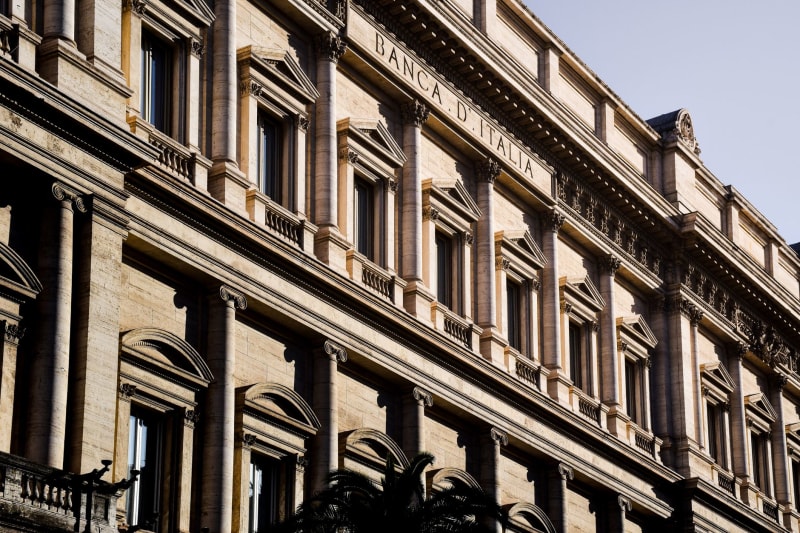
The Numbers
- Intesa Sanpaolo's offer values Monte dei Paschi at a staggering €30.6 billion, signaling a massive investment into the future of Italian banking and a significant premium for the struggling institution.
- This colossal transaction represents the most significant consolidation move within the Italian banking sector in decades, aiming to create a more resilient and competitive financial landscape across the nation.
- Monte dei Paschi di Siena has been grappling with a crippling burden of non-performing loans and systemic financial instability for over a decade, necessitating multiple state interventions and urgent restructuring.
- Intesa Sanpaolo, already Italy's largest bank by total assets and market capitalization, is poised to further cement its dominant position, expanding its reach and customer base across the peninsula.
- The proposed acquisition is projected to forge a new banking behemoth, potentially managing over €1 trillion in combined assets, thereby creating a formidable player on the European financial stage.
- The Italian government currently holds a substantial, politically sensitive stake in Monte dei Paschi, making this deal a crucial step towards reducing state intervention and privatizing the long-troubled institution.
- Regulatory bodies, including the European Central Bank, have consistently advocated for stronger, more consolidated banking groups to enhance financial stability, a directive this merger directly addresses.
Context Check
Italy's banking sector has been ripe for consolidation for an extended period, facing relentless pressure from a prolonged era of ultra-low interest rates, which squeeze profit margins, coupled with an escalating burden of stringent regulatory demands. Monte dei Paschi, in particular, has stood out as a perennial problem child, requiring multiple state bailouts and consistently struggling to offload its substantial portfolio of non-performing loans. This acquisition by Intesa Sanpaolo transcends a mere commercial transaction; it represents a critical juncture for the stability and future trajectory of the entire Italian financial system, potentially resolving one of its most persistent and costly issues.
The European Central Bank has been a vocal proponent, actively pushing for the creation of stronger, more consolidated banking groups across the Eurozone. This strategic imperative aims to bolster resilience against future economic shocks and enhance overall systemic stability. This proposed deal aligns perfectly with that broader European objective, striving to forge a more robust and secure financial landscape within Italy. However, significant concerns inevitably arise regarding potential market concentration and the far-reaching impacts on competition within the Italian banking market, factors that regulators will undoubtedly scrutinize with intense precision and rigor.
Beyond the immediate financial implications, this merger carries profound political and social weight. Monte dei Paschi, with its deep historical roots and extensive branch network, is intertwined with the fabric of many Italian communities. The prospect of job losses, branch closures, and shifts in local banking services will be a sensitive issue, requiring careful management from both banks and the government. The deal's success will not only be measured in financial terms but also by its ability to navigate these complex socio-economic challenges without sparking widespread public discontent.
Background
Monte dei Paschi di Siena, established in 1472, holds the distinction of being the world's oldest surviving bank, boasting a legacy spanning over five centuries. Despite its unparalleled historical significance, the institution has been relentlessly plagued by severe financial woes for decades. These troubles largely stem from a combination of overly aggressive acquisitions made during more prosperous times, critically poor risk management practices, and an overwhelming burden of non-performing loans that have consistently eroded its capital base. Its precarious and often critical state has necessitated several costly government interventions and bailouts, effectively transforming it into a stark symbol of Italy's broader and enduring economic challenges.
Intesa Sanpaolo, in stark contrast, has strategically positioned itself as a robust, resilient, and exceptionally well-capitalized financial institution. This strong standing has been meticulously built through a series of shrewd strategic mergers, disciplined organic growth, and an unwavering, conservative approach to risk management that has allowed it to weather various economic storms. Its ambitious move to acquire Monte dei Paschi reflects a calculated and bold strategy to significantly expand its already formidable market share, unlock substantial operational synergies, and potentially absorb a historically troubled competitor at what could prove to be an attractive valuation. However, this opportunity is undeniably fraught with complex integration challenges and potential unforeseen liabilities.
The historical context of Italian banking, characterized by a fragmented landscape and often close ties to regional politics, further illuminates the significance of this deal. For years, political considerations often hampered decisive action on struggling banks, allowing problems to fester. This acquisition, therefore, represents a departure from past patterns, signaling a more determined effort by both the private sector and government to rationalize and strengthen the financial system, even if it means confronting difficult decisions about legacy institutions and their place in the modern economy.
Winners and Losers
The Italian government stands poised to be a significant winner in this high-stakes transaction, as it could finally offload its substantial, politically burdensome stake in Monte dei Paschi. This divestment would remove a long-standing fiscal drain on public coffers and alleviate a persistent source of national financial anxiety. Intesa Sanpaolo's shareholders could also reap considerable benefits, anticipating an enhanced market position, increased economies of scale, and substantial potential synergies, provided the integration process unfolds smoothly and efficiently. However, the thousands of dedicated employees of Monte dei Paschi face profound uncertainty regarding their job security, potential relocation, and the challenging cultural integration into a new corporate environment.
Conversely, smaller regional banks throughout Italy might find themselves at a distinct disadvantage following this merger. They will face intensified competition from a newly enlarged banking behemoth that possesses unparalleled resources and market reach, potentially making it harder to compete for deposits and lending opportunities. Customers of Monte dei Paschi may experience a period of disruption, potentially seeing changes in their banking services, product offerings, or even the closure of local branches as Intesa Sanpaolo rationalizes its network. While Intesa Sanpaolo typically prioritizes service continuity, the broader Italian banking landscape will inevitably see fewer, larger players, which could ultimately impact consumer choice and access to localized banking services in the long run.
Beyond the immediate stakeholders, the wider Italian economy stands to gain from a more stable and efficient banking sector, which can better support businesses and stimulate growth. A stronger, consolidated banking system is less prone to crises, fostering greater investor confidence both domestically and internationally. However, the risk of reduced competition could potentially lead to higher fees or less innovative products for consumers over time, a concern that regulatory bodies will need to carefully monitor. The balance between stability and competition will be a critical factor in determining the ultimate success of this transformative deal for the nation.
Analyst Perspectives
Analysts across the financial spectrum widely view this acquisition as a strategic imperative, not just for the involved banks but for the entire Italian banking sector's long-term health. Many prominent financial experts believe that the successful execution of this deal could finally draw a definitive line under the long-running saga of Monte dei Paschi's persistent instability, thereby providing much-needed clarity, confidence, and predictability to both domestic and international investors. The potential for Intesa Sanpaolo, with its robust balance sheet and proven management, to effectively absorb, restructure, and ultimately revitalize Monte dei Paschi's troubled assets is seen as a major de-risking event for the entire Italian financial system, enhancing its overall resilience.
However, a significant number of analysts caution about the sheer scale and inherent complexity of the integration challenge that lies ahead. Merging two large, distinct banking cultures, especially one as historically entrenched and organizationally complex as Monte dei Paschi, presents formidable operational hurdles that extend far beyond mere balance sheet consolidation. There are also persistent concerns about the potential for hidden liabilities, unforeseen legal complexities, or deeply embedded legacy issues within Monte dei Paschi's balance sheet that could potentially emerge post-acquisition, impacting Intesa Sanpaolo's profitability and capital ratios in the short to medium term. Diligent due diligence and a robust integration plan are paramount.
Furthermore, market observers are keenly focused on the valuation aspects of the deal and how it will ultimately impact Intesa Sanpaolo's share price and long-term earnings per share. While the acquisition offers significant strategic advantages, the price paid and the cost of integration will be critical determinants of shareholder value creation. Some analysts suggest that while the deal is strategically sound, the immediate financial uplift might be modest, with the true benefits materializing over a longer horizon, contingent on efficient cost-cutting and successful cross-selling opportunities. The market's reaction will hinge on the perceived balance between risk and reward.

Key Questions Explained
The Outlook
The successful and seamless integration of Monte dei Paschi into the robust framework of Intesa Sanpaolo could undeniably mark a pivotal and transformative moment for Italy's entire financial future. This monumental merger promises to cultivate a significantly more robust, efficient, and streamlined banking sector, one that is far better equipped to confidently face and withstand future economic headwinds and market volatility. However, the path forward is inherently complex and fraught with potential challenges, demanding exceptionally meticulous execution, rigorous oversight, and particularly careful management of the deep-seated cultural and operational differences between the two institutions to truly unlock the full, transformative potential of this monumental merger.
The market will undoubtedly be watching with intense scrutiny and keen interest Intesa Sanpaolo's demonstrated ability to effectively digest such a large and historically troubled entity. Early and consistent signs of successful integration, particularly in the critical areas of efficiently managing Monte dei Paschi's remaining non-performing loans and aggressively realizing the projected cost and revenue synergies, will be absolutely crucial for bolstering and sustaining investor confidence. Conversely, any significant missteps, operational glitches, or unforeseen financial complications could send ripples of concern across the Italian and broader European financial markets, profoundly underscoring the exceptionally high stakes involved in this truly transformative and sector-defining deal.
Looking further ahead, the long-term outlook for the combined entity hinges on its capacity to innovate and adapt to evolving customer demands and technological advancements in banking. The merger presents an opportunity to modernize legacy systems, enhance digital offerings, and create a more competitive product suite. Success will also depend on navigating the broader European economic climate and maintaining regulatory compliance, all while delivering sustained value to shareholders. This acquisition is not merely an endpoint but a new beginning for a significant portion of Italy's financial infrastructure, with its full impact unfolding over the next decade.














Comments
No comments yet. Be the first to comment!