
The Story in Brief
- A North Hills mother, initially charged in a severe assault on a teenage referee during a youth hockey game, will have her criminal record cleared.
- The legal resolution comes after a period of intense scrutiny and legal proceedings, highlighting the emotional and often volatile nature of competitive youth sports environments.
- This case brings to the forefront critical discussions surrounding parental behavior, the pressures faced by young officials, and the broader implications for sportsmanship and safety in amateur athletics.
- The clearing of the record suggests a potential pathway towards resolution, but the underlying issues of escalating conflict and the well-being of young referees remain significant concerns for leagues and communities.
- Legal representatives for the mother have indicated satisfaction with the outcome, emphasizing the desire to move past the incident while acknowledging the lasting impact on all parties involved.
- The resolution serves as a stark reminder for parents and spectators to maintain composure and respect during sporting events, regardless of the perceived stakes or emotional investment.
The Human Face of the Conflict
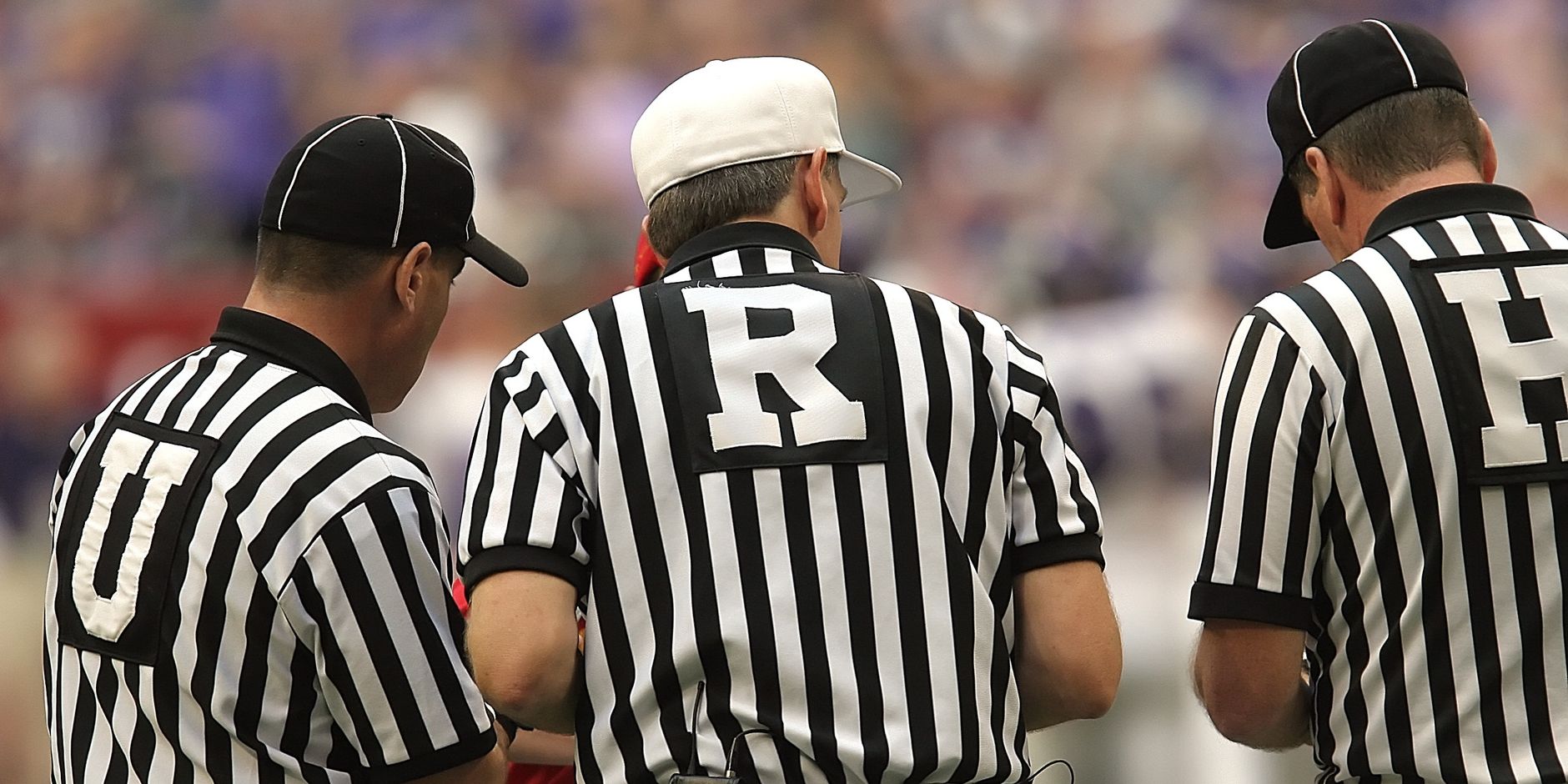
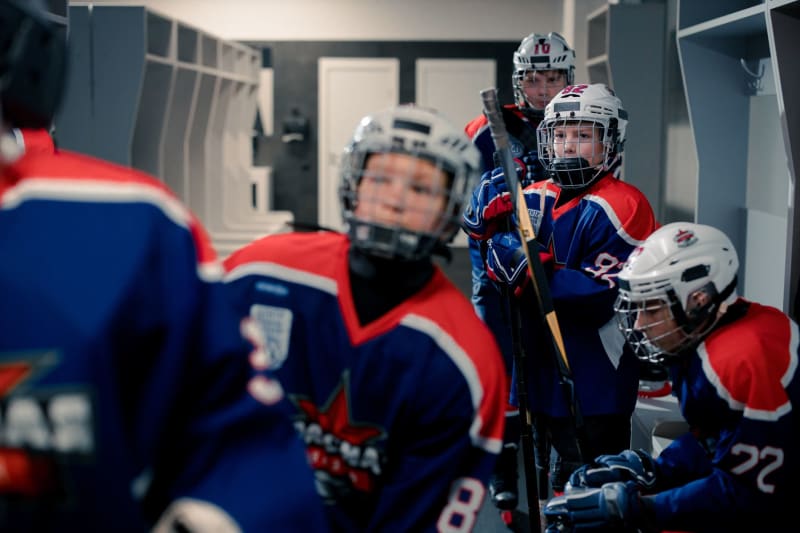
The incident that led to the charges against the North Hills mother was reportedly a volatile escalation during a youth hockey game, culminating in an alleged physical altercation with a teenage referee. Details emerging from the initial reports painted a grim picture of parental overreach and aggression, a phenomenon increasingly observed in the high-stakes world of competitive youth sports. The mother, whose identity has been central to media coverage, faced serious accusations that threatened to leave a lasting mark on her personal and professional life. This case transcends a simple legal dispute; it embodies the intense emotional investment many parents pour into their children's athletic pursuits, sometimes crossing lines into unacceptable behavior. The young referee, thrust into a position of authority beyond his years, became the focal point of this parental fury, underscoring the vulnerability of young officials who are often subjected to abuse from players, coaches, and spectators alike. The gravity of the situation was amplified by the age of the victim and the public nature of the alleged assault, sparking widespread debate about the conduct expected of adults in youth sporting arenas.
Beyond the immediate legal ramifications for the mother, this case illuminates the profound psychological toll such incidents can inflict on all involved. For the mother, the charges represented a significant disruption, potentially leading to legal fees, reputational damage, and immense personal stress. The prospect of a criminal record carries long-term consequences, affecting employment opportunities, travel, and even volunteer work. For the teenage referee, the experience was undoubtedly traumatic. Facing physical aggression from an adult during a game he was officiating could lead to lasting fear, anxiety, and a diminished willingness to continue in officiating roles. This incident is not isolated; numerous reports highlight the growing problem of abuse directed at young referees, contributing to a critical shortage of officials across various sports. The ripple effect extends to the family, the hockey league, and the broader community, creating an atmosphere of tension and concern regarding the safety and integrity of youth sports.
The resolution, which involves the clearing of the mother's record, offers a degree of closure for her but does not erase the memory or the lessons learned from the event. It prompts a re-evaluation of how conflicts are managed in youth sports and the support systems available for young officials. Leagues and governing bodies are constantly grappling with how to enforce codes of conduct, educate parents, and ensure a safe environment for everyone. This case serves as a potent case study, urging a deeper examination of the pressures placed on children in competitive environments and the role of adult supervision and intervention. The narrative shifts from punishment to prevention, emphasizing the need for proactive measures to foster respect, sportsmanship, and a healthier culture within youth athletics, ensuring that the focus remains on the development and enjoyment of the young athletes.
How We Got Here
The path to this resolution began with a specific, highly charged incident during a youth hockey game. Reports indicate that the altercation occurred amidst heightened emotions, possibly related to officiating calls or game momentum, leading to a confrontation between the parent and the young referee. The severity of the alleged assault quickly escalated the situation beyond a typical sideline dispute, prompting intervention from league officials and, subsequently, law enforcement. The initial charges brought against the mother reflected the seriousness with which such acts of aggression are viewed, particularly when directed at minors in positions of responsibility. This immediate legal response underscored the zero-tolerance policies many sports organizations and judicial systems adopt to deter violence and protect vulnerable individuals within the sporting community. The decision to press charges signaled the beginning of a legal process that would unfold over time, involving evidence gathering, legal consultations, and court appearances.
Following the initial charges, the case entered the judicial system, where it underwent various stages of legal review. The defense likely presented arguments focusing on the specifics of the incident, the intent of the accused, and potentially mitigating circumstances. Simultaneously, the prosecution would have worked to build a case based on the evidence available, including witness testimonies and any physical evidence. The legal process for such cases can be lengthy and complex, often involving plea negotiations, pre-trial motions, and potential trials. In this instance, the eventual outcome—the clearing of the mother's record—suggests that either the prosecution found insufficient grounds to proceed to a full trial, or a resolution was reached through a deferred prosecution agreement or similar mechanism. These types of agreements often require the accused to fulfill certain conditions, such as completing anger management programs or avoiding further legal trouble, before charges are dismissed or records expunged.
The resolution signifies a critical juncture, moving the narrative from legal proceedings to a broader discussion about the underlying issues. While the legal battle concludes for the individual involved, the incident itself serves as a catalyst for examining the broader culture of youth sports. The frequency of similar incidents, where parents or coaches exhibit aggressive behavior towards officials, has become a significant concern for sports administrators nationwide. This case, therefore, becomes a focal point for discussions on parental responsibility, the protection of young referees, and the implementation of more effective strategies to de-escalate conflict and promote positive sporting conduct. The clearing of the record, while a personal victory for the mother, also highlights the complex interplay between legal outcomes and the ongoing societal challenge of maintaining a safe and respectful environment in youth athletics.
Why This Cannot Be Ignored
The repercussions of this incident extend far beyond the individuals directly involved, casting a shadow over the integrity and safety of youth sports. When parents, who are meant to be role models of sportsmanship, resort to aggression, it sends a damaging message to children about conflict resolution and respect. This behavior normalizes hostility and undermines the positive values that sports are intended to instill, such as teamwork, discipline, and fair play. The emotional and psychological well-being of young athletes can be negatively impacted when they witness such conduct, creating an environment of fear and anxiety rather than one of healthy competition and personal growth. Furthermore, the safety of officials, particularly teenagers who are often officiating at lower levels, is paramount. An environment where they fear physical or verbal abuse is unsustainable and directly contributes to the crisis of referee shortages plaguing many sports.
This case serves as a critical warning about the escalating intensity and pressure within youth sports. What should be recreational activities focused on development and fun are increasingly becoming high-stakes arenas where parental expectations and anxieties can boil over into unacceptable behavior. The stakes, perceived or real, become so inflated that rational conduct is abandoned in favor of emotional outbursts. This phenomenon is not unique to hockey; similar incidents occur across various sports, indicating a systemic issue with how competition is framed and managed at the youth level. Ignoring such behavior allows it to fester, potentially leading to more severe consequences and a further erosion of the positive aspects of youth athletics. The need for robust codes of conduct, effective enforcement, and educational initiatives for parents and coaches has never been more apparent.
The resolution of the legal proceedings, while offering closure to the mother, necessitates a broader societal reflection on accountability and the protection of vulnerable participants in youth sports. The clearing of a record, while legally permissible under certain conditions, should not overshadow the need for consequences that reinforce acceptable behavior. It raises questions about whether current disciplinary measures are sufficient to deter future incidents and ensure that young officials feel adequately supported and protected. The long-term health of youth sports depends on fostering an environment where respect for rules, officials, and fellow competitors is paramount. Failure to address these issues proactively risks alienating a generation of young athletes and officials, diminishing the opportunities for positive engagement and lifelong participation in sports.
Possible Paths Forward
Moving forward, youth sports organizations must implement and rigorously enforce clear codes of conduct that explicitly outline acceptable behavior for parents, coaches, and spectators. These codes should detail the consequences for violations, ensuring transparency and consistency in disciplinary actions. Educational programs are crucial for informing parents about the pressures faced by young officials, the importance of sportsmanship, and strategies for managing their own emotions during games. Workshops on positive parenting in sports, conflict resolution, and understanding the developmental stages of young athletes can equip parents with the tools needed to be supportive rather than adversarial. Furthermore, leagues should invest in training for referees, focusing not only on game management but also on de-escalation techniques and procedures for reporting abuse, ensuring they feel empowered and protected.
Enhancing the support systems for young referees is another critical step. This includes providing mentorship from experienced officials, establishing clear reporting channels for incidents of abuse without fear of reprisal, and ensuring prompt and fair investigations into all complaints. Leagues could consider implementing 'safe zones' or designated personnel at games who can mediate disputes or intervene in escalating situations before they turn physical. Partnerships with mental health professionals could offer resources for young officials who have experienced trauma, helping them process their experiences and potentially continue their officiating careers. A culture of zero tolerance for abuse, backed by swift and decisive action, is essential to signal that such behavior will not be tolerated and that the well-being of young officials is a top priority.
Ultimately, fostering a positive culture in youth sports requires a collective shift in perspective, emphasizing development, participation, and enjoyment over winning at all costs. This involves promoting dialogue between parents, coaches, officials, and league administrators to build a shared understanding of goals and expectations. Celebrating good sportsmanship and positive interactions, not just athletic achievements, can help reshape the narrative. By focusing on the intrinsic value of sports—building character, promoting health, and fostering community—we can create environments where incidents like the one involving the North Hills mother become increasingly rare, ensuring that youth athletics remain a beneficial and enriching experience for all involved.
Questions People Are Actually Asking
What to Watch
- Monitor whether youth hockey leagues and governing bodies implement stricter codes of conduct and enforcement mechanisms in response to this and similar incidents.
- Observe trends in the reporting and resolution of abuse cases against young referees across various youth sports to gauge the effectiveness of current measures.
- Track the development of educational initiatives aimed at parents and coaches regarding sportsmanship, conflict resolution, and the psychological impact of competitive environments.
- Pay attention to any policy changes or legislative efforts at local or state levels designed to enhance the safety and protection of officials in youth athletics.
- Look for increased reporting on referee shortages and the impact on game quality and availability, which could further highlight the urgency of addressing abusive behavior.
- Consider how media coverage of such incidents evolves, potentially shifting from focusing on sensationalism to emphasizing solutions and positive cultural change within youth sports.

















Comments
No comments yet. Be the first to comment!