

What We Know
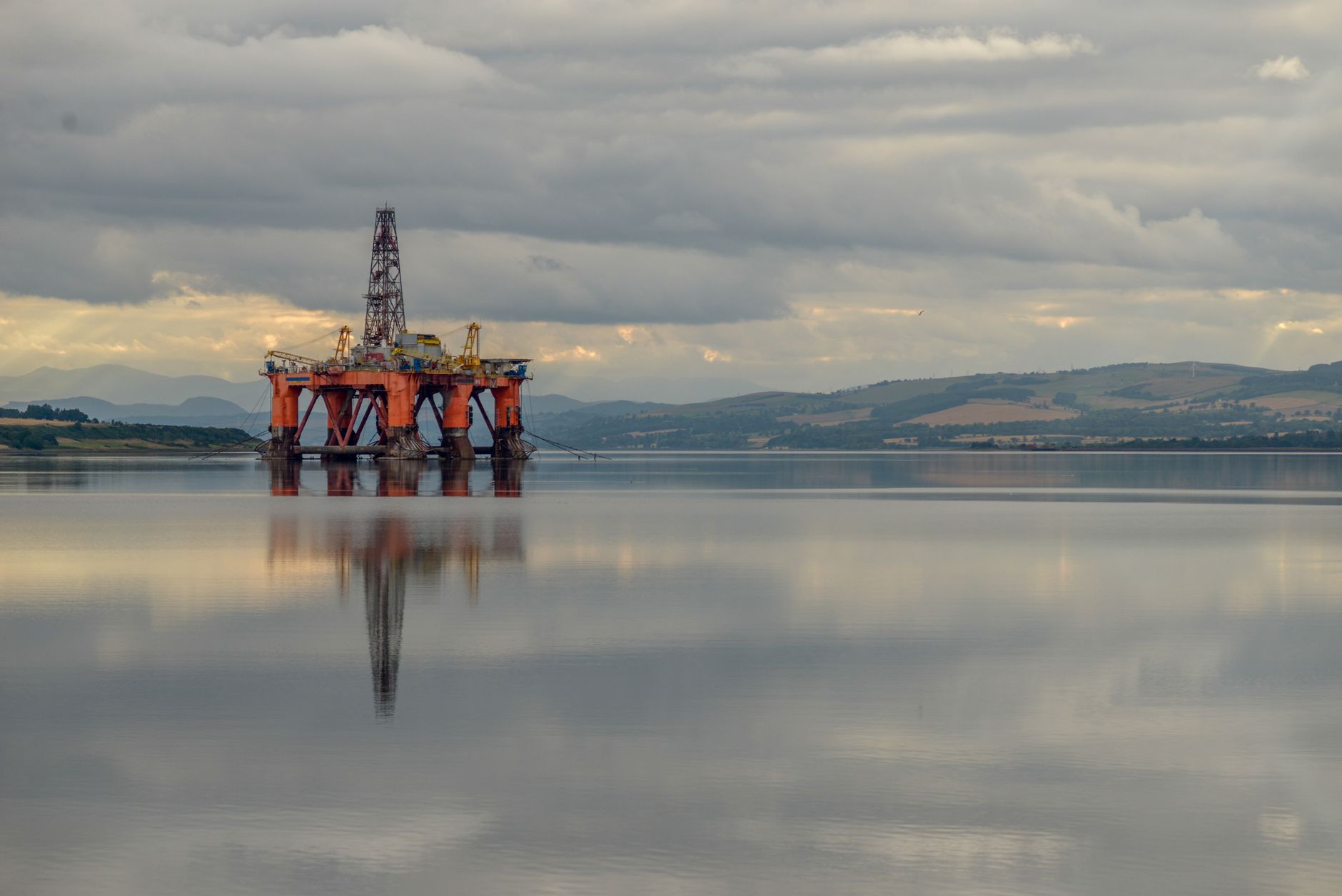
- Global oil prices have recently experienced a notable downturn, defying earlier expectations of sustained high levels, indicating a complex interplay of supply and demand factors.
- The intensifying climate crisis is increasingly influencing energy markets, with extreme weather events disrupting production and supply chains, while simultaneously accelerating the push for renewable energy alternatives.
- Rapid advancements in green technologies, including electric vehicles and renewable energy storage, are beginning to erode long-term demand forecasts for fossil fuels, creating uncertainty for oil-producing nations.
- Geopolitical tensions, particularly in key oil-producing regions, continue to pose a significant risk to supply stability, yet current price drops suggest these risks are being overshadowed by demand-side concerns.
- Major oil-consuming nations are actively pursuing energy transition strategies, setting ambitious targets for emissions reduction and investing heavily in non-fossil fuel energy sources, impacting global consumption patterns.
- The strategic reserves held by major economies, coupled with fluctuating production levels from OPEC+ and other key players, create a dynamic supply environment that directly impacts short-term price movements.
What We Do Not Know Yet
- The precise long-term impact of the accelerating energy transition on global oil demand remains uncertain, with varying projections from different research institutions and industry analysts.
- The effectiveness and speed of global policy implementation regarding climate change mitigation and the adoption of renewable energy sources are still subjects of considerable debate and speculation.
- The potential for unforeseen geopolitical events or major supply disruptions to rapidly alter the current downward price trend is a constant unknown factor in market forecasting.
- The true pace at which technological breakthroughs in areas like battery storage and carbon capture will displace traditional fossil fuel reliance is difficult to predict with accuracy.
- The extent to which major oil-producing nations will diversify their economies away from hydrocarbon dependence in response to declining demand is a critical question for their future stability.
- The capacity of global infrastructure to adapt to a rapid shift towards renewable energy sources, including grid modernization and charging networks, presents a significant logistical challenge.
Background
The global oil market has historically been a bellwether for economic activity and geopolitical stability, characterized by cycles of boom and bust influenced by supply manipulations, demand surges, and international conflicts. For decades, oil has fueled industrial growth and transportation, making its price a critical factor in inflation, consumer spending, and national budgets worldwide. Major producing nations have leveraged their reserves for economic development and political influence, while consuming nations have sought secure and affordable access to this vital commodity. This intricate web of interests has often led to significant market volatility, with prices capable of swinging dramatically in response to perceived or actual shifts in the delicate balance between production capacity and consumption needs. The very infrastructure of modern society, from manufacturing to agriculture and daily commutes, remains deeply intertwined with the availability and cost of petroleum-based products.
In recent years, however, the traditional dynamics of the oil market have begun to face unprecedented challenges from two powerful, converging forces: the escalating climate crisis and the rapid acceleration of technological innovation. Growing scientific consensus on the urgent need to decarbonize the global economy has spurred significant policy shifts and investment trends away from fossil fuels. Simultaneously, breakthroughs in renewable energy, electric vehicles, battery storage, and digital technologies are fundamentally altering energy consumption patterns and creating viable alternatives to oil. This dual pressure is creating a complex and often contradictory market environment where concerns about supply disruptions coexist with growing doubts about long-term demand. The industry is at a critical juncture, grappling with the need to invest in existing infrastructure while also pivoting towards a future that is increasingly defined by sustainability and technological advancement.
The interplay between these forces is not straightforward. While the push for renewables and EVs theoretically signals declining oil demand, the transition period is fraught with challenges. Infrastructure development for renewables lags in many regions, and the energy density and convenience of oil-based fuels remain difficult to fully replicate for all applications, particularly in heavy transport and aviation. Furthermore, geopolitical instability in major oil-producing regions can still trigger supply shocks that temporarily inflate prices, even as long-term demand forecasts trend downwards. This creates a scenario where oil prices can be simultaneously influenced by the immediate concerns of supply security and the distant, yet increasingly impactful, reality of a global shift towards cleaner energy sources.
Why It Matters
The current dip in oil prices, juxtaposed against the backdrop of a worsening climate crisis and a burgeoning green tech revolution, carries profound implications for economies, governments, and individuals worldwide. For oil-producing nations, a sustained price decline threatens fiscal stability, potentially leading to reduced public spending, increased debt, and social unrest if economies are heavily reliant on hydrocarbon revenues. This necessitates a critical re-evaluation of economic diversification strategies and a proactive approach to transitioning away from fossil fuel dependence. The geopolitical landscape could also shift dramatically as the influence of traditional oil powers wanes, potentially creating new alliances and power dynamics on the global stage.
For major oil-consuming nations, lower prices offer a temporary reprieve from inflationary pressures and can boost consumer spending power, providing a potential economic stimulus. However, this short-term benefit must be weighed against the long-term imperative of energy transition. Governments face the dual challenge of managing the immediate economic impacts of fluctuating oil prices while accelerating investments in renewable energy infrastructure and policies that support decarbonization. Failure to navigate this transition effectively risks energy security vulnerabilities and missed opportunities in the rapidly growing green technology sector, potentially leading to economic stagnation in the future.
The accelerating pace of technological innovation, particularly in electric vehicles and renewable energy storage, is not merely a trend but a disruptive force fundamentally reshaping the energy landscape. As these technologies mature and become more cost-competitive, they exert downward pressure on oil demand, creating a self-fulfilling prophecy that further incentivizes investment in alternatives. This technological race is creating new economic opportunities and competitive advantages for nations and companies that lead in innovation, while potentially marginalizing those that remain heavily invested in legacy fossil fuel industries. The speed of this transformation underscores the urgency for all stakeholders to adapt and prepare for a future where oil plays a significantly diminished role.
Timeline of Events
- Early 2020s: Growing global awareness and scientific reports highlight the accelerating impacts of climate change, leading to increased pressure on governments and corporations to adopt ambitious emissions reduction targets.
- Mid-2020s: Significant policy initiatives emerge from major economies, including substantial investments in renewable energy infrastructure, subsidies for electric vehicles, and stricter regulations on fossil fuel emissions.
- Late 2020s: Technological advancements in battery storage and renewable energy generation reach critical milestones, making green alternatives increasingly cost-competitive with traditional fossil fuels in key sectors.
- Early 2030s: The adoption rate of electric vehicles accelerates dramatically worldwide, coupled with a significant increase in renewable energy capacity, leading to a noticeable plateau and subsequent decline in global oil demand.
- Mid-2030s: Extreme weather events, exacerbated by climate change, begin to cause more frequent and severe disruptions to oil production and transportation infrastructure, highlighting the vulnerability of fossil fuel supply chains.
- Late 2030s: Oil-producing nations face increasing economic pressure due to reduced global demand and volatile prices, prompting urgent diversification efforts and a strategic shift towards renewable energy investments.
- Present Day: Oil prices experience a notable dip, influenced by a combination of slowing demand growth, strategic reserve releases, and the ongoing, impactful integration of green technologies into the global energy mix.

Rapid-Fire Q&A
What Is Coming
- Accelerated investment in renewable energy sources and battery storage technologies will continue, further eroding the long-term demand projections for fossil fuels.
- The global fleet of electric vehicles is expected to grow exponentially, leading to a more pronounced decline in demand for gasoline and diesel in the coming years.
- Governments worldwide will likely implement stricter climate policies and carbon pricing mechanisms, increasing the operational costs for fossil fuel industries and incentivizing cleaner alternatives.
- Oil-producing nations will face increasing pressure to diversify their economies and energy portfolios, potentially leading to significant geopolitical realignments and shifts in global economic power.
- The frequency and intensity of climate-related extreme weather events are projected to increase, posing ongoing risks to oil and gas infrastructure and supply chain stability.
- Technological breakthroughs in areas such as green hydrogen production and advanced carbon capture may begin to offer new pathways for decarbonization, further influencing the energy mix.

















Comments
No comments yet. Be the first to comment!