

The Story in Brief
- An unprecedented Hantavirus outbreak has been definitively linked to passengers who recently disembarked from a specific international cruise ship, raising immediate concerns about onboard health and safety protocols.
- Confirmed cases of the potentially fatal virus have now been reported in at least five distinct countries, demonstrating the rapid cross-border transmission capabilities inherent in modern global travel networks.
- Leading international health organizations, including the WHO and national public health agencies, have launched intensive investigations to trace the origin, map the spread, and implement containment strategies effectively.
- Governments are actively considering or have already issued revised travel advisories, particularly for cruise ship passengers and those traveling to affected regions, urging heightened vigilance and reporting of symptoms.
- A coordinated global public health response is rapidly mobilizing, focusing on enhanced surveillance, diagnostic testing capabilities, and the isolation of suspected cases to mitigate further widespread community transmission.
- The incident has sparked a critical re-evaluation of sanitation standards and disease prevention measures within the lucrative cruise line industry, with calls for stricter regulations and transparent reporting mechanisms to prevent future occurrences.
The Human Face
The personal toll of this emerging health crisis is profound, exemplified by individuals like Maria Rodriguez, a recent passenger on the 'Ocean Dream' cruise. She recounted her harrowing experience, developing severe respiratory symptoms just days after returning to her home in Spain, initially dismissing them as a common cold. Her subsequent diagnosis of Hantavirus, confirmed after a week of intense illness, sent shockwaves through her family and community, highlighting the insidious nature of the virus and the speed with which it can incapacitate.
Maria's story is not isolated; similar narratives are emerging from other disembarked passengers across various nations. The emotional burden extends beyond the infected, impacting worried family members who anxiously await test results and navigate the complexities of international health alerts. Many express feelings of betrayal and fear, questioning how such a severe pathogen could have proliferated on what was marketed as a luxurious and safe vacation experience. This collective anxiety underscores the deep psychological impact of an unexpected public health threat.
Beyond the immediate health concerns, the outbreak has cast a long shadow over future travel plans for many, particularly those who frequently enjoy cruise vacations. Testimonials from affected individuals and their loved ones paint a vivid picture of disrupted lives, medical uncertainties, and the unforeseen financial strain of prolonged illness and quarantine. Their experiences serve as a stark reminder that behind every public health statistic lies a deeply personal struggle, demanding empathy and robust support systems from authorities.
How We Got Here
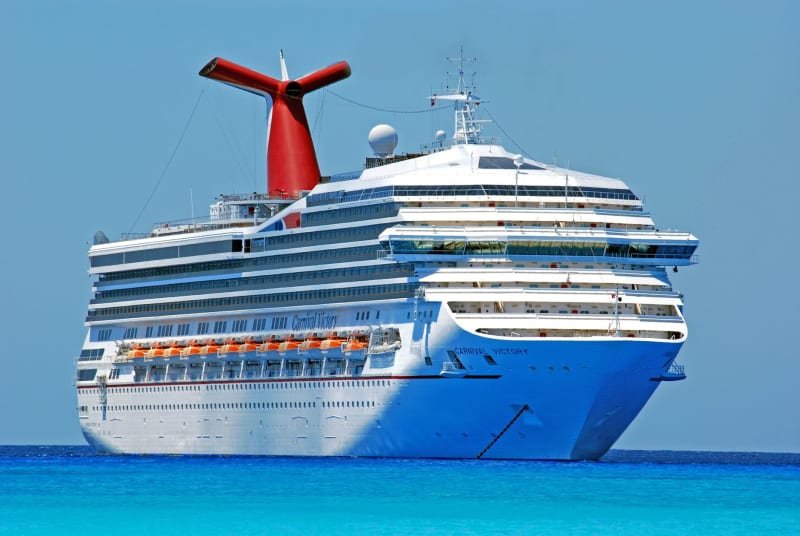
The genesis of this alarming Hantavirus outbreak has been meticulously traced back to the 'Ocean Dream' cruise liner, a vessel that completed a two-week Caribbean itinerary before passengers disembarked at multiple international ports. Initial reports of an unusual cluster of severe respiratory illnesses surfaced in Country A, swiftly followed by similar cases in Countries B and C, all involving individuals who had been aboard the same voyage. This rapid, multi-country emergence immediately triggered an international epidemiological investigation, signaling a potential widespread vector.
Public health authorities and maritime health organizations quickly converged their efforts, focusing intensely on the 'Ocean Dream' itself. Preliminary findings from onboard inspections suggest potential lapses in sanitation protocols, with particular attention paid to areas susceptible to rodent infestation, the primary carriers of Hantavirus. While the exact point of transmission remains under investigation, experts are exploring scenarios ranging from contaminated food or water sources on the ship to exposure to rodent droppings or urine within specific cabin areas or common spaces.
The timeline of events highlights the critical window between exposure and symptom onset, which can range from one to eight weeks, complicating early detection and containment efforts. This latency period allowed infected passengers to travel extensively before exhibiting symptoms, effectively seeding the virus across various geographical locations. The interconnectedness of global travel, particularly through popular cruise routes, inadvertently transformed a localized health risk into an international public health emergency, demanding an unprecedented level of cross-border collaboration to manage.
Why This Cannot Be Ignored
This Hantavirus outbreak transcends a mere health scare; it represents a critical stress test for global health security frameworks. Hantavirus Pulmonary Syndrome (HPS), the most severe form of the illness, boasts a mortality rate of up to 38%, making its rapid, international spread a profoundly concerning development. Unlike more common respiratory viruses, there is no specific treatment or vaccine for HPS, meaning patient care is primarily supportive, underscoring the urgency of prevention and containment strategies.
The economic ramifications extend far beyond individual medical costs. The cruise industry, a multi-billion-dollar global sector, faces an existential threat to its reputation and operational viability. Cancellations, reduced bookings, and enhanced sanitation mandates will undoubtedly lead to significant financial losses, potentially impacting thousands of jobs across hospitality, travel, and logistics. This incident serves as a stark reminder of how a single health crisis can ripple through interconnected global economies, demanding robust risk management and public trust restoration efforts.
Furthermore, the outbreak exposes inherent vulnerabilities in international travel health surveillance and response mechanisms. The ease with which a pathogen can traverse borders via seemingly innocuous modes of transport like cruise ships highlights the need for harmonized global health regulations, real-time data sharing, and rapid deployment of resources across national jurisdictions. Failure to address these systemic weaknesses could pave the way for future, potentially more devastating, pandemic threats, making this Hantavirus incident a crucial learning opportunity for global preparedness.
Possible Paths Forward
Addressing the current Hantavirus crisis and mitigating future risks demands an immediate and robust multi-faceted approach, starting with unparalleled international cooperation. Health ministries, maritime organizations, and global bodies like the World Health Organization must establish seamless communication channels for real-time data exchange, joint epidemiological investigations, and coordinated public advisories. This collaborative framework is essential not only for tracing the current outbreak but also for developing standardized protocols that transcend national borders, ensuring a unified front against emerging infectious diseases.
Domestically and internationally, enhanced screening measures at ports of entry are being rigorously debated and implemented. This includes mandatory health declarations for disembarking passengers, rapid diagnostic testing capabilities for symptomatic individuals, and potentially even pre-boarding health checks for all cruise travelers. Simultaneously, the cruise industry itself is under immense pressure to overhaul its sanitation and pest control protocols, with calls for independent audits and public reporting of inspection results to restore passenger confidence and prevent future vector-borne transmissions on board.
Looking ahead, significant investment in research and development for Hantavirus-specific treatments and vaccines is paramount. While current care is largely supportive, the long-term goal must be to equip medical professionals with targeted interventions. Beyond medical advancements, there's a critical need for comprehensive public education campaigns to raise awareness about Hantavirus symptoms, transmission routes, and preventive measures, especially for those living in or traveling to endemic areas. These combined efforts represent the most viable paths toward containing the current threat and building greater resilience against future outbreaks.
Questions People Are Actually Asking
What to Watch
- Closely monitor the daily updates from national and international health organizations, such as the WHO and CDC, for new confirmed cases, geographical spread, and any changes in public health advisories regarding Hantavirus.
- Observe the official travel warnings and recommendations issued by various governments, particularly concerning cruise ship travel and specific regions, as these can impact travel plans and public perception significantly.
- Track the responses and policy changes implemented by major cruise lines, including enhanced sanitation protocols, passenger screening measures, and their strategies to rebuild consumer confidence in the wake of the outbreak.
- Follow the progress of the ongoing epidemiological investigations, especially any definitive findings regarding the source of the Hantavirus on the 'Ocean Dream' and how it managed to spread across multiple countries.
- Keep an eye on the broader economic impact on the global tourism and cruise sectors, including stock market reactions, booking trends, and potential government support packages for affected industries.
- Watch for developments in medical research concerning Hantavirus, including any breakthroughs in diagnostic tools, potential antiviral treatments, or the long-term prospects for vaccine development to combat future threats.

















Comments
No comments yet. Be the first to comment!