
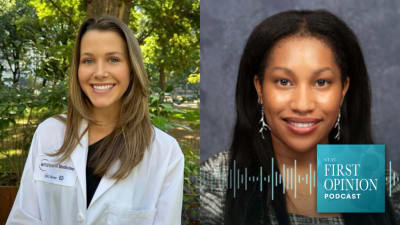
The escalating burden of chronic diseases like diabetes, heart disease, and certain cancers is a defining public health challenge of our era. These conditions, often preventable or manageable through lifestyle changes, are increasingly linked to dietary habits. Yet, a significant disconnect persists within the very institutions tasked with training the next generation of healers: medical schools are widely criticized for insufficient nutrition education. This isn't a new revelation. Decades ago, the medical community began to acknowledge the profound impact of diet on patient outcomes, spurred by early research connecting nutritional deficiencies and excesses to widespread health problems. However, translating this awareness into robust, integrated curriculum for medical students has proven stubbornly difficult, leaving many physicians ill-equipped to offer comprehensive dietary advice. Robert F. Kennedy Jr., a prominent figure advocating for a shift in public health strategy, has repeatedly highlighted this deficiency, calling for medical schools to bolster their training in nutrition and preventive medicine. His message resonates because it taps into a palpable frustration felt by both the public and increasingly, by the students themselves. This sentiment is amplified by the stark reality that while doctors are trained to treat acute illnesses and manage complex conditions with pharmaceuticals, they often lack the foundational knowledge to effectively guide patients on the most basic, yet powerful, intervention: what they eat. This gap means patients grappling with diet-related ailments frequently leave doctor's offices without actionable advice on modifying their eating patterns, a critical missed opportunity for intervention. Fourth-year medical student Tiffany Onyejiaka and rising internist Lauren Rice, both featured in STAT's "First Opinion Podcast," articulate this internal struggle. Onyejiaka argues that the focus on training doctors in nutrition might be misplaced, suggesting that significant impact could be achieved by better supporting and integrating the expertise of registered dietitians. Rice, while agreeing that medical schools need a stronger preventive health focus, acknowledges the complexity of finding singular solutions. Their shared observation is that the nation's health trajectory is alarming, and while no single entity holds all the answers, the conversation must broaden to include a diverse array of stakeholders. Rice, who is preparing to begin her residency, reflects on the systemic nature of the problem. "Our country’s health is going down a very poor trajectory and something needs to change," she stated. "I don’t have the answer to what that needs to be. I don’t think Robert F. Kennedy Jr. has the answer. I don’t think anyone has the answers. But the conversation needs to start and it needs to a conversation with a lot people at the table." This perspective underscores a growing disillusionment with siloed approaches to healthcare and a desire for more collaborative, holistic solutions that acknowledge the multifaceted nature of wellness and disease prevention. Onyejiaka's counterpoint, born from her own rigorous medical training, highlights a pragmatic concern: "Yes, doctors need more help, but I feel like there’s so many people that are already doing the work and there are so many barriers that I feel we would get more of an impact by trying to really focus on helping them and then having doctors engaged instead of starting with us." This view emphasizes the importance of leveraging existing expertise. Registered dietitians, with their specialized training in food and human physiology, are often the frontline experts in nutritional counseling. Onyejiaka suggests that empowering these professionals and fostering stronger physician-dietitian partnerships could yield more immediate and effective results than solely retooling doctors who may have limited time and scope for deep nutritional guidance. This debate is not confined to academic discussions; it resonates deeply with the public who are increasingly aware of the link between diet and health outcomes, often through personal experience or the growing body of research available outside traditional medical channels. Social media, wellness influencers, and direct-to-consumer health information have created a landscape where individuals are actively seeking dietary solutions, sometimes encountering conflicting or unproven advice. This has created an expectation that their healthcare providers should be well-versed in these areas, making the educational deficit even more apparent and frustrating for patients. The struggle to adequately integrate nutrition into medical education mirrors a larger national trend toward recognizing the limitations of a purely reactive, disease-treatment model of healthcare. There's a growing understanding that addressing societal health challenges requires a pivot towards prevention and wellness, incorporating factors like diet, exercise, mental health, and environmental influences. The medical field, historically slow to adapt to such paradigm shifts, is now facing pressure from patients, policymakers, and its own emerging practitioners to evolve its fundamental approach to health. Looking ahead, the pressure for reform is likely to intensify. Medical schools face a critical juncture: will they continue with incremental changes, or embrace a more fundamental overhaul of their curricula to prepare physicians for the realities of 21st-century health challenges? The dialogue initiated by figures like Kennedy and voiced by students like Onyejiaka and Rice signals a demand for change. The next steps to watch include the development of standardized, evidence-based nutrition modules within medical school curricula, the creation of incentives for ongoing professional development in this area for practicing physicians, and importantly, the fostering of robust collaborative frameworks between physicians and other allied health professionals, such as registered dietitians, to create a truly integrated approach to patient care.
In Brief
Future doctors are speaking out about the critical lack of nutrition education in medical schools, a gap that undermines preventive care amid a growing chronic disease crisis. Learn about the proposed solutions and why this issue is resonating now.Advertisement



Comments
No comments yet. Be the first to comment!