
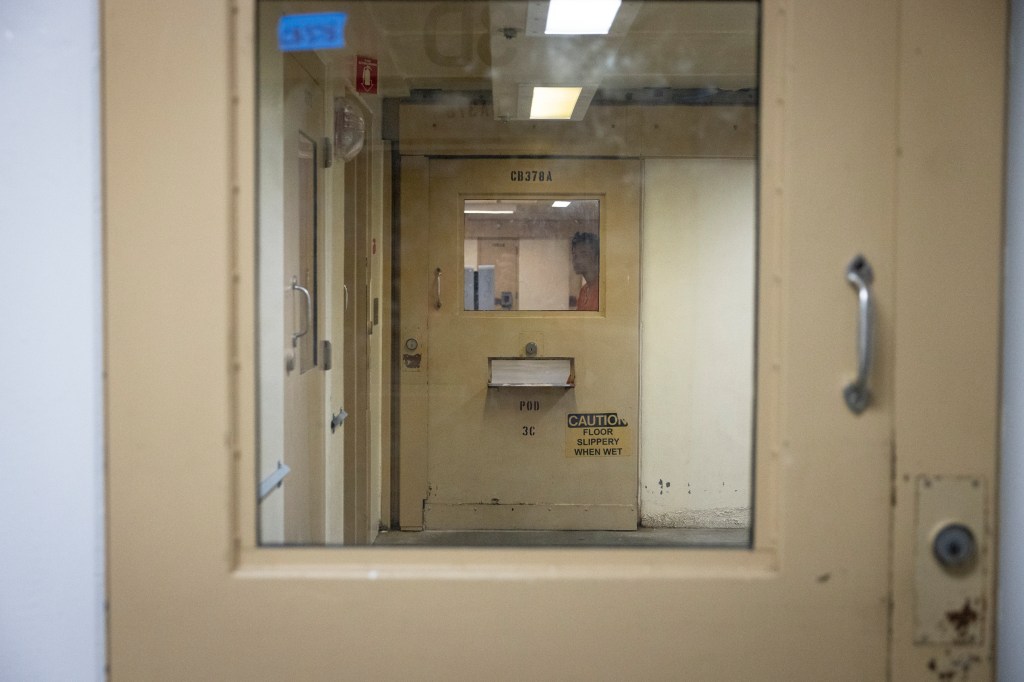

Story in Brief
A devastating lawsuit has been filed by the father of a man who died while in police custody in Virginia Beach, an incident that occurred during a severe mental health crisis. The lawsuit alleges that law enforcement and jail officials failed to provide adequate care and de-escalation strategies for the individual, who was clearly in distress. This tragic event underscores a critical and ongoing societal failure to properly address mental health emergencies within the criminal justice system, raising urgent questions about training, protocols, and the fundamental duty of care owed to vulnerable individuals.
The father's legal action seeks to hold the city and its law enforcement accountable for what he describes as gross negligence and a disregard for his son's well-being. Reports indicate that the deceased was exhibiting clear signs of a mental health breakdown, yet instead of receiving appropriate medical or psychiatric intervention, he was subjected to the standard booking and holding procedures, which allegedly exacerbated his condition. This case is not just about one individual's tragic end; it represents a broader pattern of systemic issues where individuals experiencing mental health crises are often met with an inadequate and sometimes harmful response from law enforcement, leading to preventable deaths and profound grief for families.
The filing of this lawsuit is a pivotal moment, demanding a thorough investigation into the circumstances surrounding the death and a re-evaluation of how Virginia Beach police and correctional facilities manage individuals in acute mental distress. Advocates for mental health reform and civil rights organizations are watching closely, hoping this case will spur meaningful changes in policy and practice. The ultimate goal is to ensure that such a tragedy is never repeated, pushing for a system that prioritizes compassionate care and crisis intervention over punitive measures for those struggling with mental illness.
What We Know
- The lawsuit was initiated by the father of the deceased, who tragically passed away while in the custody of Virginia Beach law enforcement or correctional facilities, reportedly during a period of significant mental health distress.
- Allegations within the lawsuit claim that officials failed to provide appropriate care, intervention, or de-escalation techniques that are necessary when dealing with individuals experiencing a mental health crisis, leading to neglect.
- The deceased was reportedly exhibiting clear and observable signs of mental health instability at the time of his interaction with authorities, suggesting that his condition should have been recognized and addressed with specialized protocols.
- The father's legal team contends that the standard procedures followed by the Virginia Beach police and jail staff were not only inadequate but actively detrimental to his son's fragile mental state, contributing to his death.
- This incident has ignited calls for a comprehensive review of the training, policies, and operational procedures employed by Virginia Beach law enforcement and detention centers concerning individuals with known or apparent mental health challenges.
- The lawsuit seeks to establish accountability for the circumstances leading to the death, aiming to secure justice for the family and to prompt systemic reforms that prevent similar outcomes for others in vulnerable situations.
- Details regarding the specific timeline of events, the exact nature of the mental health crisis, and the precise cause of death are central to the ongoing legal proceedings and public scrutiny.
- Community advocates and mental health professionals are emphasizing the need for greater investment in crisis intervention teams and alternative response models that divert individuals experiencing mental health emergencies away from the traditional criminal justice system.
Background
The intersection of mental health crises and law enforcement encounters has become a critical area of concern across the nation, with numerous documented cases highlighting the challenges faced by both individuals in distress and the officers tasked with responding. Many individuals experiencing severe mental health episodes may exhibit behaviors that are misunderstood or misinterpreted by law enforcement, leading to escalation rather than de-escalation. This often stems from a lack of specialized training among officers in recognizing and managing psychiatric emergencies, as well as a systemic overreliance on the criminal justice system as the primary responder for mental health-related calls, even when no crime has been committed.
Historically, law enforcement agencies have been on the front lines of responding to individuals experiencing mental health crises due to the absence of readily available mental health services or the inability of those services to respond rapidly. This has placed an immense burden on police officers, who are often not equipped with the clinical expertise or resources to provide appropriate care. Consequently, individuals may end up arrested and booked into jails, which are fundamentally ill-suited to manage acute psychiatric conditions, further exacerbating their suffering and potentially leading to tragic outcomes like the one in Virginia Beach.
The Virginia Beach case appears to fit within this broader national narrative, where a person in acute mental distress encountered the justice system and ultimately died in its custody. The father's lawsuit aims to scrutinize the specific actions and inactions of the involved authorities, questioning whether established protocols were followed, whether officers received adequate training in mental health crisis intervention, and whether the facility provided the necessary level of care. This legal challenge seeks not only to provide a measure of justice for the family but also to serve as a catalyst for examining and improving the city's approach to mental health emergencies.
How We Got Here
The path leading to this lawsuit involves a confluence of factors, primarily centered on the individual's escalating mental health crisis and his subsequent interaction with Virginia Beach law enforcement. While specific details remain part of the legal discovery process, it is understood that the deceased was experiencing a severe episode of mental illness. In such situations, individuals may exhibit unpredictable behavior, become agitated, or appear disoriented, often requiring specialized handling and immediate access to mental health professionals rather than law enforcement intervention. The critical juncture appears to be how authorities responded to this crisis, with the lawsuit alleging that their response was fundamentally flawed and ultimately fatal.
The lawsuit's core argument suggests a breakdown in the system designed to protect vulnerable individuals. It posits that officers on the scene, and subsequently jail personnel, either failed to recognize the severity of the mental health crisis or lacked the proper training and resources to manage it effectively. Instead of de-escalation and appropriate care, the deceased may have been subjected to procedures that exacerbated his condition, leading to a tragic outcome. This implies a failure at multiple levels: initial response, transport, and detention, each step potentially missing opportunities to provide life-saving intervention.
The filing of the lawsuit itself marks a significant step, indicating that the father believes legal recourse is necessary to address the perceived injustices and failures that led to his son's death. It signifies a demand for accountability from the city and its departments, pushing for an examination of policies and practices related to mental health crises. This legal action is not merely about assigning blame but about seeking systemic change, ensuring that future interactions between individuals in mental distress and law enforcement are handled with greater care, expertise, and humanity, thereby preventing similar tragedies.
Why It Matters
This lawsuit is profoundly significant because it shines a spotlight on the urgent need for improved mental health crisis response within law enforcement and correctional systems. Every year, countless individuals experiencing mental health challenges come into contact with the justice system, and tragically, many do not survive these encounters. This case serves as a stark reminder that a failure to provide appropriate care and understanding can have fatal consequences, underscoring the ethical and legal obligations of authorities to protect vulnerable individuals in their custody.
The outcome of this legal battle could have far-reaching implications for policy and practice in Virginia Beach and beyond. If the lawsuit reveals systemic failures, it could compel the city to invest in enhanced training for officers in crisis intervention, implement more robust mental health screening protocols, and explore partnerships with mental health providers to ensure individuals receive the care they need. Such changes are not just about preventing deaths; they are about fostering a more compassionate and effective approach to public safety that recognizes mental illness as a health issue requiring treatment, not punishment.
Furthermore, this case matters because it empowers families who have suffered similar losses to seek justice and advocate for change. The father's decision to sue sends a powerful message that accountability is expected when individuals in crisis are not adequately served by the systems meant to protect them. It encourages a broader public conversation about mental health stigma, the limitations of the current justice system in addressing psychiatric needs, and the collective responsibility to build a society where mental health is prioritized and treated with the seriousness it deserves.

Frequently Asked Questions
What Happens Next
The immediate next steps in this case involve the formal legal proceedings of the lawsuit. This will likely include discovery, where both the plaintiff's legal team and the defendants (Virginia Beach city and its relevant departments) will gather evidence, exchange documents, and conduct depositions of witnesses. The father's attorneys will work to build a strong case based on the alleged negligence and failures in care, while the city's defense will likely focus on justifying their actions and adherence to existing protocols. The court will oversee this process, potentially leading to motions for dismissal or summary judgment.
Depending on the progress of the legal proceedings, the case may eventually go to trial if a settlement is not reached. A trial would involve presenting evidence and arguments before a judge and jury, who would then determine liability and damages. Regardless of the trial's outcome, the lawsuit is expected to bring increased public scrutiny to Virginia Beach's policies and practices regarding mental health crises. This heightened attention could pressure city officials to proactively review and revise their procedures, even before a final legal judgment is rendered.
Beyond the courtroom, community advocates and mental health organizations will likely continue to use this case as a focal point for advocating for broader systemic changes. They may push for legislative action, increased funding for mental health services, and the wider adoption of crisis intervention models. The hope is that this tragic event and the subsequent lawsuit will serve as a catalyst for tangible improvements in how individuals experiencing mental health emergencies are treated by law enforcement and the justice system, ultimately aiming to prevent similar deaths in the future.


















Comments
No comments yet. Be the first to comment!