


The Story in Brief
- A new and concerning Ebola outbreak has been officially confirmed in a remote, underserved region, raising alarms among public health officials worldwide due to its potential for rapid spread and devastating impact.
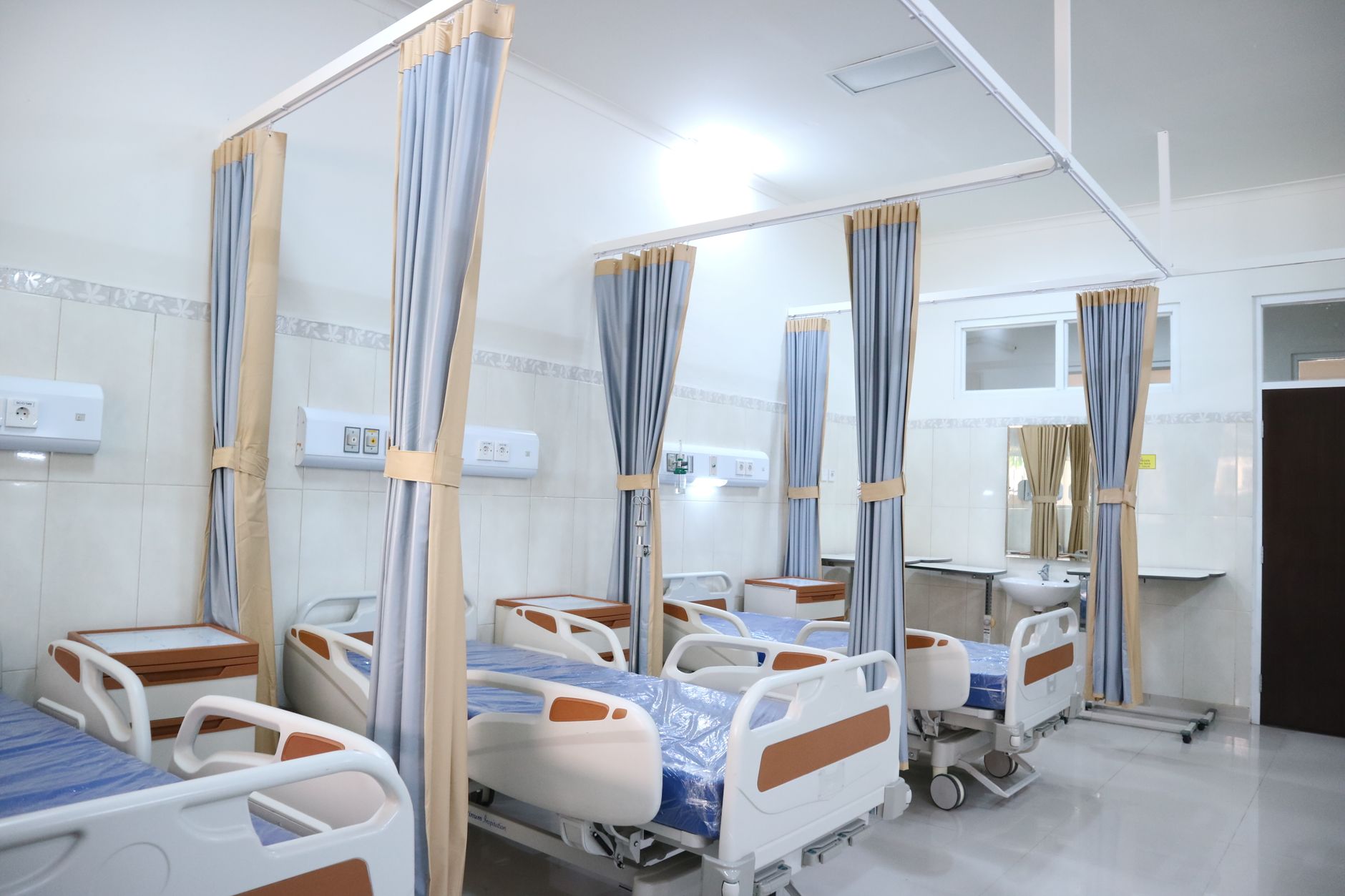
- Local health infrastructure is severely strained, with limited resources and personnel struggling to manage the initial surge of cases, highlighting critical gaps in preparedness and response capabilities.
- The World Health Organization (WHO) and other international humanitarian groups are calling for urgent global assistance, emphasizing the critical need for immediate aid to prevent the situation from deteriorating further and overwhelming local capacity.
- Initial investigations suggest the outbreak may have been active for several weeks before detection, allowing the virus to establish a significant foothold within affected communities and complicating containment efforts.
- Community engagement and trust-building initiatives are identified as paramount, as historical distrust and misinformation can severely impede effective public health interventions, contact tracing, and safe practices.
- The availability of effective Ebola vaccines and treatments offers a critical advantage, but their rapid deployment and equitable distribution to affected populations remain significant logistical and ethical challenges.
The Human Face
In the heart of the affected region, families are being tragically torn apart by the relentless march of this deadly disease. The palpable fear grips villages, transforming daily life into a desperate struggle for survival and dignity. Traditional burial practices, deeply ingrained in cultural identity, inadvertently become vectors for further transmission, underscoring the complex challenges of public health intervention in culturally sensitive contexts. Children, particularly vulnerable, face the harrowing prospect of losing parents, their futures abruptly cast into profound uncertainty and despair. The psychological trauma inflicted upon these communities extends far beyond the immediate physical illness, leaving an indelible mark of grief and anxiety.
Healthcare workers, often local heroes, operate under immense pressure, facing not only the physical risks of infection but also the emotional burden of witnessing widespread suffering with limited resources. They navigate a landscape of fear and misinformation, striving to provide care while simultaneously educating communities on critical prevention measures. The stigma associated with Ebola can isolate patients and their families, creating barriers to seeking timely medical help and exacerbating the spread within close-knit social networks. This isolation further complicates contact tracing and community acceptance of necessary public health protocols, making their work even more challenging.
The human cost of delayed action is immeasurable. Beyond the tragic loss of life, communities face severe disruption to their livelihoods, education, and social fabric. Markets close, schools are shuttered, and the essential rhythms of community life grind to a halt, plunging already fragile populations deeper into poverty and instability. Protecting these vulnerable populations requires not just medical intervention but a holistic approach that addresses social, economic, and psychological needs, ensuring that the human face of this crisis is never overlooked and that recovery is comprehensive and sustainable.
How We Got Here
Ebola outbreaks are unfortunately not a novel phenomenon in this particular region, which has historically grappled with a confluence of factors that render it acutely susceptible to such epidemics. Decades of underinvestment in public health infrastructure, coupled with severely limited access to basic healthcare services, have created a fertile ground for infectious diseases to take root and spread unchecked. Furthermore, a persistent deficit in widespread public health education means that critical information about disease transmission and prevention often fails to reach the most vulnerable populations, perpetuating cycles of infection and fear across generations.
This latest resurgence of the virus follows a period of deceptive calm, during which the international community's attention, and critically, its funding, may have waned. However, the underlying vulnerabilities that fuel these outbreaks—such as porous borders, high population mobility, and the ongoing challenges of conflict or political instability—have remained largely unaddressed. The initial cases in any outbreak frequently go undetected for weeks, sometimes even months, within remote communities, allowing the virus to establish a robust foothold and spread silently before any organized response can even be contemplated or mobilized. This delay is often catastrophic.
Moreover, the ecological interface between humans and wildlife in these regions presents a constant risk. Bushmeat consumption and close proximity to animal reservoirs of the virus mean that zoonotic spillover events are an ever-present threat, making prevention a continuous challenge. Compounding these challenges are issues of trust and community engagement; past experiences with external interventions, sometimes perceived as insensitive or coercive, have fostered skepticism among local populations, making it harder to implement effective surveillance, contact tracing, and vaccination campaigns. Rebuilding this trust is as crucial as deploying medical supplies for long-term success.
Why This Cannot Be Ignored
Ignoring this rapidly developing Ebola outbreak would be an act of profound global negligence with potentially catastrophic consequences. The highly contagious nature of the Ebola virus means it can spread with alarming speed, overwhelming already fragile local health systems in a matter of weeks. Such a scenario inevitably leads to a higher mortality rate, not just from Ebola itself, but also from other preventable diseases as healthcare resources are diverted or collapse entirely. The lessons from previous major outbreaks unequivocally demonstrate that localized threats can swiftly transcend borders, morphing into international crises that demand far greater resources and intervention.
Global health security is intrinsically linked to the containment of every single outbreak, no matter how remote its initial location. The interconnectedness of our modern world, characterized by extensive travel and trade, means that a pathogen originating in one village can, within days, pose a threat to major urban centers across continents. A failure to act decisively and comprehensively now would not only jeopardize the lives of those directly affected but also place immense strain on global economies, disrupt international travel, and erode public trust in collective health institutions. The economic and social disruption caused by widespread Ebola would be truly immense, far outweighing the cost of early intervention.
Furthermore, allowing the virus to spread unchecked increases the risk of viral mutation, potentially leading to strains that are more transmissible, more virulent, or even resistant to existing vaccines and treatments. This grim possibility underscores the urgency of a robust, coordinated, and immediate response. Beyond the immediate health crisis, the instability generated by a large-scale epidemic can exacerbate existing humanitarian crises, fuel social unrest, and undermine years of development progress in affected regions. The world cannot afford to repeat past mistakes; proactive engagement is not merely an act of charity, but a critical investment in collective global well-being and security.
Possible Paths Forward
The most immediate and critical path forward involves the swift and coordinated deployment of essential medical teams, including epidemiologists, clinicians, and public health specialists, alongside a massive influx of vaccines and personal protective equipment (PPE). Establishing rapid response units capable of isolating cases, tracing contacts, and providing compassionate care is paramount. Furthermore, mobile laboratories must be set up to ensure rapid and accurate diagnosis, which is fundamental for effective containment. Without these foundational elements in place within the critical initial weeks, the window for effective control narrows dramatically, risking an exponential increase in cases.
Beyond the immediate medical response, sustainable containment hinges on profound community engagement and culturally sensitive education campaigns. Building trust with local populations is not merely beneficial; it is absolutely vital. This involves working closely with local leaders, religious figures, and traditional healers to disseminate accurate information, address misconceptions, and encourage adherence to public health measures like safe burial practices and early reporting of symptoms. Empowering communities to take ownership of their health security, rather than imposing external solutions, fosters resilience and ensures long-term behavioral change, which is crucial for preventing future outbreaks.
In the long term, strategies must pivot towards strengthening the underlying healthcare infrastructure and surveillance systems across the region. This includes investing in permanent diagnostic capabilities, training local healthcare professionals, and establishing robust early warning systems that can detect novel pathogens before they escalate. A multi-faceted approach, integrating the efforts of local governments, international organizations, and affected communities, is the only viable pathway to achieving sustainable control and, ultimately, the eradication of Ebola as a recurring threat. This comprehensive strategy must also address the socio-economic determinants of health, such as poverty and food insecurity, which often exacerbate the impact of epidemics.

Questions People Are Actually Asking
What to Watch
- Closely monitor the daily rate of new Ebola infections and the geographical spread of confirmed cases in the coming weeks, as this will indicate the effectiveness of initial containment efforts and the potential for wider escalation.
- Track the timely deployment and equitable distribution of international medical aid, including critical vaccines, antiviral treatments, and personal protective equipment, to ensure they reach the most affected populations without delay.
- Observe the stability and effectiveness of local governance and community leadership in affected areas, as their cooperation and ability to enforce public health measures are crucial for successful outbreak response and long-term recovery.
- Pay attention to public adherence to health guidelines, including safe burial practices and isolation protocols, and the success of community engagement strategies in combating misinformation and building essential trust.
- Assess the capacity of local healthcare systems to manage the surge in patients and provide ongoing care, noting any improvements in infrastructure, staffing, and resource availability, which are vital for sustained control.
- Keep an eye on any potential cross-border transmission events, as neighboring countries may face increased risk, necessitating regional coordination, enhanced surveillance measures, and collaborative preparedness plans.
















Comments
No comments yet. Be the first to comment!