
Key Takeaways
- Poland and Lithuania are formally exploring deeper involvement in NATO's nuclear deterrence framework, a significant strategic shift for the alliance's eastern flank. This proactive stance reflects a growing concern over regional security dynamics and Russia's aggressive posture.
- The discussions center on potentially hosting tactical nuclear weapons or participating more directly in nuclear sharing arrangements, which would represent a substantial escalation of their defense commitments. Such a move would require extensive diplomatic and logistical preparations.
- This initiative is driven by a perceived need to strengthen deterrence against a resurgent Russia, particularly following the full-scale invasion of Ukraine and Moscow's increasingly explicit nuclear rhetoric. It aims to send an unequivocal message of collective resolve.
- Any such integration would necessitate complex negotiations within NATO, as nuclear sharing involves intricate protocols, command structures, and political sensitivities among member states. Consensus building will be a critical challenge.
- The proposal has already drawn sharp criticism and warnings from Moscow, which views any expansion of nuclear infrastructure near its borders as a direct threat, potentially leading to further militarization of the region. This heightens geopolitical tensions considerably.
- This exploration highlights a broader trend among Eastern European NATO members to take more assertive roles in their own defense and contribute more substantially to the alliance's collective security posture. It signals a new era of strategic autonomy and responsibility.
Background
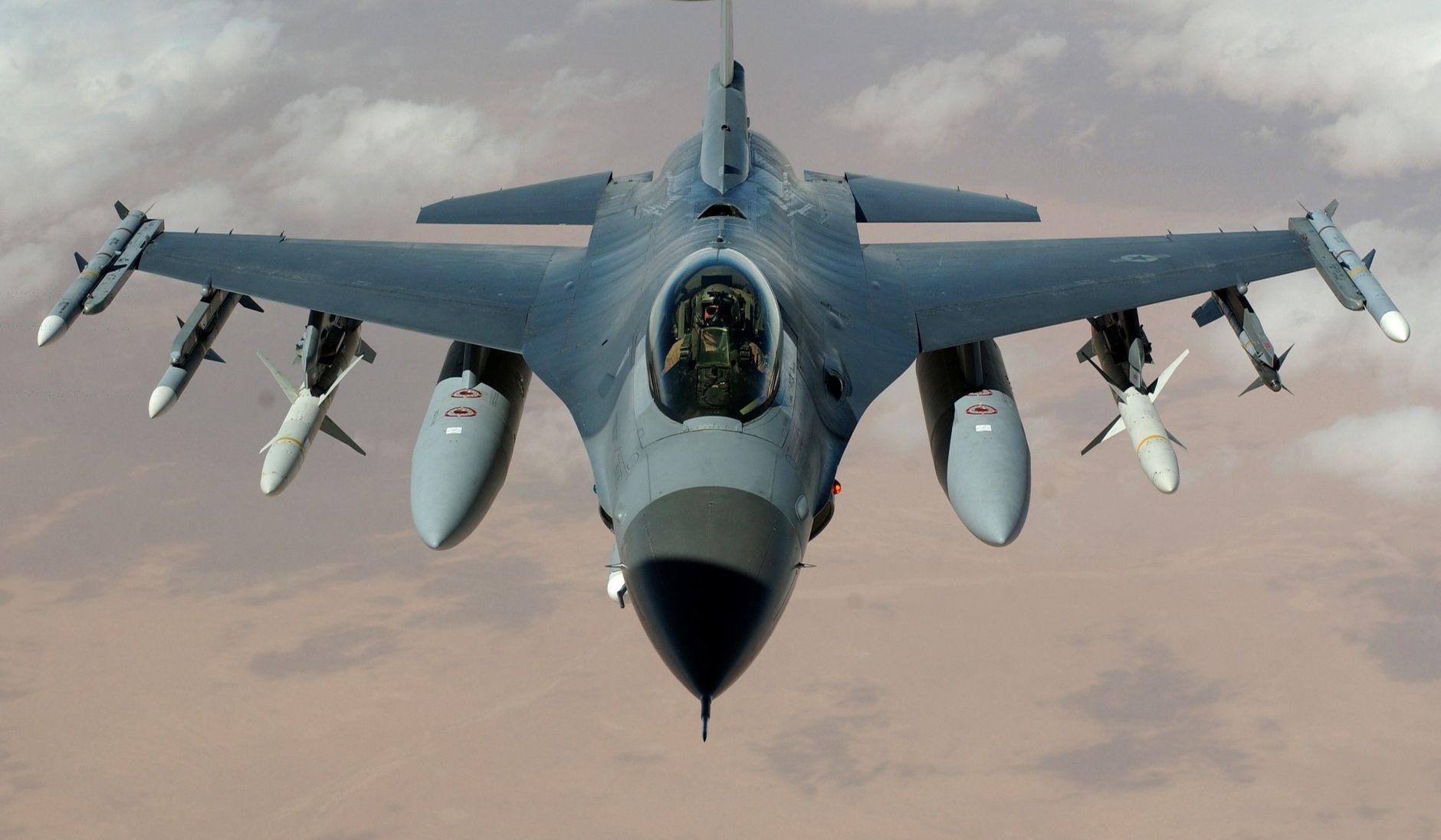
For decades, NATO's nuclear deterrence strategy has relied on a combination of strategic nuclear forces and a nuclear sharing arrangement, where non-nuclear member states host U.S. tactical nuclear weapons and provide dual-capable aircraft for their potential delivery. This policy, a cornerstone of collective defense, ensures that the risks and responsibilities of nuclear deterrence are shared across the alliance, reinforcing solidarity and commitment. The arrangement was initially conceived during the Cold War to reassure European allies and present a united front against the Soviet Union, embedding a critical layer of security within the broader NATO framework.
Following the collapse of the Soviet Union, the perceived threat diminished, leading to a reduction in the number of tactical nuclear weapons deployed in Europe and a general de-emphasis on nuclear sharing. However, Russia's increasingly aggressive foreign policy, particularly its annexation of Crimea in 2014 and the full-scale invasion of Ukraine in 2022, has fundamentally reshaped the security landscape. These actions, coupled with Moscow's explicit nuclear threats, have reignited concerns among Eastern European NATO members about the adequacy of existing deterrence mechanisms and the need for a more robust defense posture.
Poland and Lithuania, sharing borders with Russia and its close ally Belarus, have historically been at the forefront of advocating for stronger NATO presence and capabilities on the eastern flank. Their recent overtures regarding a greater role in nuclear deterrence are a direct response to this evolving threat perception. This move is not merely symbolic; it represents a profound strategic re-evaluation driven by a tangible sense of vulnerability and a desire to ensure that NATO's Article 5 commitment is backed by the most credible deterrents available.
Why It Matters
This exploration by Poland and Lithuania significantly alters the geopolitical calculus in Eastern Europe, potentially ushering in a new era of security dynamics. Should these nations host nuclear weapons or deepen their involvement in nuclear sharing, it would dramatically enhance NATO's forward deterrence capabilities, sending an unambiguous signal to potential adversaries. The move would not only fortify the alliance's eastern flank but also demonstrate a renewed commitment to collective defense, potentially influencing other frontline states to consider similar enhancements to their security postures.
The implications for NATO cohesion are multifaceted. While some allies might view this as a necessary step to strengthen deterrence, others could express reservations about the potential for escalation or the political complexities of expanding nuclear sharing. Achieving consensus within the alliance will be crucial, testing NATO's ability to adapt its strategic doctrine to contemporary threats while maintaining unity among its diverse membership. The debate will undoubtedly highlight differing risk appetites and strategic priorities among member states, requiring deft diplomacy to navigate.
For Russia, this development would be perceived as a direct challenge to its security interests and a further encroachment of NATO's military infrastructure towards its borders. Moscow has consistently warned against such moves, often responding with increased military deployments or heightened rhetoric, potentially leading to a new arms race or a more militarized standoff in the region. The risk of miscalculation or unintended escalation could rise, making diplomatic channels and clear communication more vital than ever to manage these heightened tensions and prevent a dangerous spiral of reactions.
Ground Reality
Currently, NATO's nuclear sharing arrangements involve several European allies that do not possess their own nuclear weapons but host U.S. tactical nuclear weapons on their soil. These nations also maintain dual-capable aircraft, trained pilots, and infrastructure to deliver these weapons if authorized. This established framework provides a precedent and a operational blueprint for any potential expansion. However, integrating new host nations would require significant investment in specialized infrastructure, rigorous training programs for personnel, and robust security protocols to meet NATO's stringent requirements for nuclear stewardship.
The political landscape in both Poland and Lithuania strongly supports a more robust defense posture against Russia. Public opinion and political leadership in both countries consistently advocate for increased military spending, closer integration with NATO, and a stronger deterrent presence. This domestic political will provides a solid foundation for pursuing a nuclear sharing role, contrasting with some Western European nations where such discussions might face greater public or political resistance. Their strategic geographic location, bordering Russia and Belarus, further amplifies their perceived need for maximum deterrence.
However, the practicalities extend beyond political will. There are substantial technical and logistical hurdles, including the modernization of airfields to accommodate dual-capable aircraft, the establishment of secure storage facilities, and the development of command and control systems fully integrated with NATO's nuclear planning. Furthermore, the legal and arms control implications are complex, as the Non-Proliferation Treaty (NPT) prohibits non-nuclear states from acquiring nuclear weapons, while nuclear sharing is considered consistent with the NPT by NATO members, a view not universally accepted by non-signatories.
What Experts Are Saying
Many security analysts view Poland and Lithuania's interest in nuclear sharing as a logical, albeit provocative, response to Russia's aggressive actions and nuclear saber-rattling. Experts like Dr. Evelyn Farkas, a former Deputy Assistant Secretary of Defense for Russia, Ukraine, and Eurasia, suggest that such a move could significantly enhance deterrence on NATO's eastern flank, making any Russian conventional attack far riskier. They argue that credible nuclear deterrence is the ultimate guarantor of sovereignty for frontline states, especially when facing an adversary willing to use force and threaten nuclear escalation.
Conversely, a segment of the expert community, including arms control specialists and some international relations scholars, expresses significant concerns about the potential for escalation. Dr. Mariana Budjeryn of Harvard's Belfer Center highlights that expanding nuclear sharing could be perceived by Russia as a direct provocation, leading to a dangerous cycle of countermeasures and further militarization of the region. Critics worry that while the intent is deterrence, the outcome might be increased instability, making the region more volatile and raising the risk of unintended conflict.
Furthermore, discussions revolve around the practical feasibility and the political unity required within NATO. Some analysts, such as Professor John Mearsheimer, question whether Western European allies would genuinely support such a move, given their historical reluctance to escalate tensions with Russia. They emphasize the need for robust alliance consensus and a clear strategic rationale that outweighs the potential diplomatic and security costs. The debate underscores the delicate balance between strengthening deterrence and inadvertently fueling an arms race, requiring careful strategic navigation from all parties involved.

Frequently Asked Questions
What Happens Next
The immediate next steps will involve intensive diplomatic consultations within NATO. Poland and Lithuania will need to formally present their proposals, initiating detailed discussions among all member states regarding the strategic rationale, feasibility, and potential implications. These conversations will likely be complex, balancing the security concerns of frontline states with broader alliance cohesion and risk management. Key allies, particularly the United States, Germany, and France, will play pivotal roles in shaping the alliance's response and determining the viability of such an expansion.
Concurrently, international reactions will be closely monitored. Russia is expected to issue strong condemnations and may signal potential countermeasures, which could range from increased military exercises to redeploying its own tactical nuclear weapons. China and other global powers will also observe these developments keenly, as they could set precedents for nuclear proliferation debates and regional security arrangements worldwide. The international community will be watching to see how NATO manages this delicate balance between strengthening deterrence and avoiding unnecessary escalation.
Looking ahead, if NATO decides to proceed with expanding nuclear sharing, the implementation process would be lengthy and multifaceted. It would entail significant investments in infrastructure, extensive training programs, and the establishment of robust command and control mechanisms. Even if the political will solidifies, the technical and logistical challenges mean that any actual deployment would be years away. This period will be critical for continued dialogue, both within NATO and with Russia, to manage expectations, reduce miscalculation risks, and ensure regional stability amidst profound strategic shifts.
















Comments
No comments yet. Be the first to comment!