


At a Glance
- The protracted and intensifying conflicts across the Middle East have profoundly exacerbated food insecurity, pushing an alarming number of people into severe hunger and significantly straining regional stability and humanitarian efforts.
- Millions are now grappling with acute hunger, with humanitarian aid organizations struggling immensely to deliver essential supplies and keep pace with the rapidly escalating demand across multiple crisis zones.
- Widespread conflict-driven displacement, coupled with devastating economic collapse and rampant inflation, stand as the primary drivers propelling this catastrophic humanitarian crisis to unprecedented levels of severity.
- The World Food Program (WFP) and its partners are issuing urgent warnings about potentially catastrophic consequences, emphasizing that without immediate, scaled-up international intervention, widespread famine is an imminent threat.
- Critical infrastructure, including agricultural systems and supply chains, has been severely damaged or completely destroyed, making it nearly impossible for local communities to produce or access sufficient food resources.
- The crisis disproportionately affects vulnerable populations, including women, children, and the elderly, who face heightened risks of malnutrition, disease, and long-term developmental impairments due to chronic food shortages.
The Record
The protracted and devastating conflicts, coupled with deep-seated political instability across the Middle East, have collectively engineered a humanitarian catastrophe of unparalleled scale. For over a decade, nations like Yemen, Syria, and increasingly, Palestine, have been locked in a relentless struggle against chronic food shortages. However, recent escalations have dramatically intensified this crisis, pushing an additional millions to the very precipice of starvation. Essential supply chains are shattered, local markets have collapsed under economic pressure, and even the most basic necessities have become an unattainable luxury for the vast majority of families. This systemic breakdown is not merely a series of isolated incidents but rather the grim, cumulative outcome of prolonged strife, governance failures, and international neglect.
Alarming new data from the World Food Program (WFP) reveals a precipitous surge in the number of individuals grappling with acute food insecurity, marking an unprecedented increase in just the past year. This includes a particularly devastating rise in severe malnutrition among children, a crisis that portends lifelong health complications, irreversible developmental impairments, and a generation scarred by hunger. While the international community has offered some assistance, its collective response has proven woefully inadequate to confront the sheer magnitude of this unfolding catastrophe, leaving countless vulnerable populations abandoned without the critical support required for survival. The gap between need and provision continues to widen at an alarming rate.
Beyond the immediate threat of starvation, the crisis is systematically dismantling the social and economic fabric of affected societies. Livelihoods have been obliterated, educational systems are in ruins, and access to healthcare is severely compromised. Farmers cannot plant or harvest, traders cannot transport goods, and families are forced into desperate coping mechanisms, including early marriage and child labor, just to survive another day. This intricate web of destruction ensures that even if conflicts were to cease tomorrow, the path to recovery would be arduous and prolonged, demanding sustained, multi-faceted interventions far beyond basic food aid.
Who Knew and When
For well over a decade, a chorus of humanitarian organizations, including prominent UN agencies and numerous non-governmental organizations, has issued persistent and increasingly urgent warnings regarding the rapidly deteriorating food security landscape across the Middle East. These early alerts meticulously detailed the inherent fragility of food systems within conflict-ridden zones, unequivocally predicting the current widespread crisis if proactive, preventative measures were not swiftly implemented. Their analyses consistently highlighted the dangerous interplay of armed conflict, the accelerating impacts of climate change, and severe economic shocks as the critical, compounding factors driving the region towards catastrophe.
More recently, in the past five years, specific and highly detailed reports from authoritative bodies like the World Food Program (WFP) and the Food and Agriculture Organization (FAO) provided granular data on the escalating hunger levels in nations such as Yemen, Syria, and parts of Sudan. These reports directly attributed the crisis to protracted conflicts, devastating sieges, and blockades that choked off essential supplies. They presented irrefutable evidence of soaring malnutrition rates, particularly among children, and documented the wholesale collapse of vital agricultural infrastructure. Despite these unambiguous and repeated alarms, a robust, comprehensive, and sustained global effort to genuinely mitigate these escalating risks largely failed to materialize, directly paving the way for the current widespread and avoidable human suffering.
The consistent failure to act decisively on these early warnings represents a significant lapse in international responsibility. The knowledge of impending disaster was not hidden; it was openly communicated through detailed assessments, policy briefs, and public appeals. Yet, geopolitical complexities, donor fatigue, and a perceived lack of political will often overshadowed the humanitarian imperative. This historical context underscores a critical lesson: ignoring early warning signs in complex humanitarian emergencies invariably leads to more profound suffering and significantly higher costs in the long run, both in human lives and financial resources.
Voices from the Ground
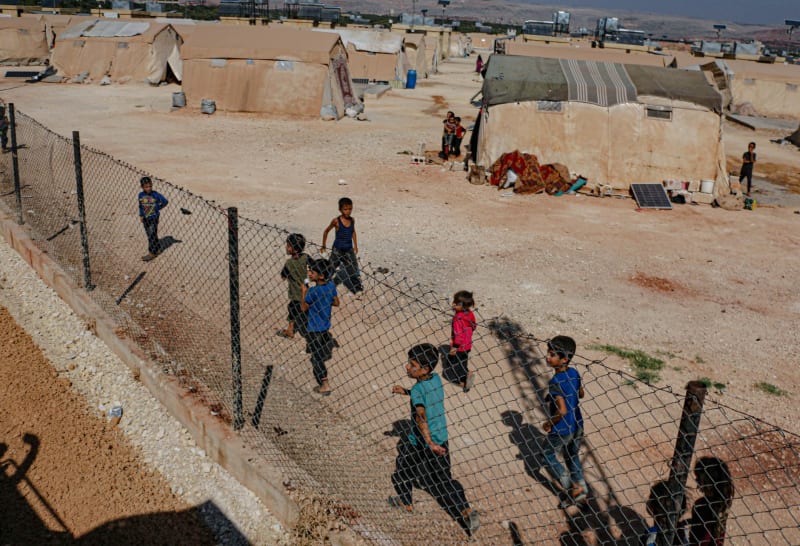
Within the sprawling, often overcrowded refugee and displacement camps scattered across the Middle East, countless families share harrowing, deeply personal tales of survival against impossible odds. "We once enjoyed three meals a day, a simple luxury now unimaginable. Today, we are profoundly fortunate to secure even one meager meal, often just stale bread and weak tea," laments Fatima, a resilient mother of five who was forcibly displaced from her home in Gaza. Her poignant words resonate with the silent suffering of millions who have been stripped of their livelihoods, their homes, and their fundamental sense of security. The psychological devastation wrought by relentless hunger and pervasive uncertainty is immeasurable, severely impairing children's cognitive development and ability to learn, while eroding adults' capacity to engage in productive work.
From the frontlines of the crisis, a veteran humanitarian worker operating in Yemen paints a stark picture of the daily struggle for existence. "Every single day, we bear witness to children teetering on the very brink of starvation, their tiny bodies ravaged by malnutrition. The humanitarian aid we manage to secure, while vital, feels like a solitary drop in an ocean of overwhelming need. The roads are treacherous, riddled with checkpoints and active conflict zones, fuel is an increasingly scarce commodity, and even when life-saving food supplies miraculously arrive, the logistical challenge of distributing them safely and equitably to desperate communities is nothing short of monumental." These raw, firsthand accounts vividly underscore the brutal, unforgiving reality confronted by those trapped within the crisis, illuminating the profound human cost that extends far beyond impersonal statistics.
The voices from the ground consistently emphasize not just the physical pangs of hunger, but the deeper erosion of dignity and hope. Parents speak of the unbearable anguish of watching their children suffer, unable to provide. Community leaders describe the breakdown of social structures as people resort to desperate measures. These narratives are a powerful testament to the resilience of the human spirit amidst unimaginable adversity, yet they also serve as a searing indictment of the world's collective failure to protect its most vulnerable. Their pleas are not for charity alone, but for peace, stability, and the fundamental right to feed their families without fear.
The Debate
The international community finds itself embroiled in a complex and often contentious debate regarding the most efficacious strategies to confront the escalating hunger crisis engulfing the Middle East. A central point of contention revolves around striking the delicate balance between providing immediate, life-saving emergency aid and fostering long-term, sustainable development initiatives. Proponents of rapid intervention forcefully argue that massive, immediate infusions of food aid are absolutely paramount to avert widespread mass starvation and catastrophic loss of life. Conversely, a compelling counter-argument emphasizes the critical need to invest deeply in sustainable agricultural practices, rebuild shattered economic infrastructures, and empower local communities to cultivate genuine resilience against future shocks, thereby moving beyond a cycle of perpetual dependency.
A second, equally significant debate pivots on the fundamental question of whether political solutions or direct humanitarian intervention should take precedence. A vocal contingent of critics asserts that without decisively resolving the deeply entrenched underlying conflicts that fuel this crisis, humanitarian aid will inevitably remain a mere temporary bandage, perpetually failing to address the fundamental, systemic root causes of chronic food insecurity. They contend that only genuine peace and political stability can pave the way for lasting recovery. Conversely, staunch proponents of humanitarian aid vehemently argue that waiting for elusive political resolutions is simply not a morally viable option when millions are facing imminent, agonizing starvation, thereby necessitating immediate, robust, and unwavering humanitarian action regardless of the political deadlock.
Further complicating the discussion is the question of aid delivery mechanisms and sovereignty. Some argue for direct, unconditional aid to affected populations, bypassing potentially corrupt or inefficient government structures. Others emphasize the importance of working through established state channels to build capacity and respect national sovereignty, even if it introduces delays or risks. This multifaceted debate highlights the absence of simple answers, underscoring the need for flexible, adaptive strategies that can navigate the intricate political landscapes while prioritizing the urgent needs of the most vulnerable populations.
Your Questions Answered
What Accountability Looks Like
True accountability in the face of this deepening crisis unequivocally demands that all belligerent parties involved in the regional conflicts strictly adhere to the fundamental principles of international humanitarian law. This includes, crucially, ensuring safe, unfettered, and unimpeded access for all humanitarian aid organizations to reach desperate populations, regardless of their location or political affiliation. Moreover, it necessitates that both national governments and international governing bodies honor their explicit commitments to robustly fund humanitarian responses and, most importantly, to actively protect civilian populations from harm. Without the steadfast upholding of these fundamental tenets, the tragic cycle of suffering will continue unabated, systematically undermining every single effort to alleviate the dire and escalating food insecurity.
Beyond the immediate adherence to international law, accountability extends profoundly to the transparent, efficient, and ethical utilization of all aid funds. This ensures that every single resource reaches its intended beneficiaries – those most in need – without any diversion, corruption, or political manipulation. Donors and implementing partners bear a solemn responsibility to establish and uphold rigorous oversight mechanisms, guaranteeing that aid is delivered effectively and equitably. Furthermore, the broader international community carries a moral and legal obligation to decisively hold accountable those individuals or entities who deliberately obstruct life-saving aid, or, even more reprehensibly, employ starvation as a weapon of war. Such egregious violations must not go unpunished, serving as a powerful deterrent against future atrocities.
Ultimately, accountability also involves a commitment to long-term peace and justice. It means addressing the root causes of conflict, promoting inclusive governance, and supporting sustainable development initiatives that empower communities to rebuild their lives and livelihoods. Without a holistic approach that tackles both immediate humanitarian needs and the underlying drivers of instability, the region will remain trapped in a cycle of crisis. The international community must move beyond reactive aid to proactive engagement, demanding consequences for those who perpetuate suffering and championing pathways to lasting peace.


















Comments
No comments yet. Be the first to comment!