


The Numbers
- The restaurant, a long-standing pillar of the Westfield dining scene, experienced a complete revenue collapse during the initial lockdown periods, necessitating its abrupt closure after years of successful operation and community engagement.
- Over 75% of small businesses in the hospitality sector reported significant financial distress, with many forced to cease operations permanently due to sustained losses stemming from mandated closures and drastically reduced customer traffic.
- The pandemic triggered a nationwide decline in restaurant employment, with millions of jobs lost across the industry; this particular establishment's closure contributed to that grim statistic, impacting local livelihoods and the broader economic ecosystem.
- Reopening costs, including inventory replenishment, staff rehiring and retraining, and necessary safety upgrades, present a substantial financial hurdle, estimated to be tens of thousands of dollars for an establishment of this size and scope.
- Customer confidence in dining out remained fragile for an extended period, with surveys indicating that over 60% of patrons expressed concerns about safety, directly affecting the potential for rapid recovery and a return to pre-pandemic patronage levels.
- Government relief programs, while providing some lifeline, often proved insufficient to cover the full extent of operating expenses and lost revenue for many businesses, leaving a significant funding gap that contributed to permanent closures.
Context Check
The sudden and widespread impact of the COVID-19 pandemic on the global economy cannot be overstated, particularly for industries reliant on in-person interaction and discretionary spending. Restaurants, cafes, and bars found themselves on the front lines of these economic disruptions, facing immediate and severe consequences from public health mandates such as lockdowns, social distancing measures, and capacity restrictions. This specific Westfield establishment, once a vibrant hub for locals, became a casualty of these extraordinary circumstances, mirroring the fate of countless similar businesses across the nation and the world. The challenge was not merely a temporary dip in sales but a fundamental disruption to their operating model, forcing difficult decisions about survival.
The recovery trajectory for the hospitality sector has been uneven and fraught with new challenges, including supply chain disruptions, rising ingredient costs, and persistent labor shortages. Even as restrictions eased, the lingering effects of the pandemic continued to shape consumer behavior and business operations. For a business attempting to reopen, the landscape presented a complex array of obstacles. It required not only financial investment but also a strategic recalibration of services, marketing, and operational protocols to meet evolving customer expectations and navigate the ongoing economic uncertainties. The reopening of this Westfield favorite is therefore not just a return to normalcy, but a testament to adaptability in a profoundly changed environment.
Understanding the broader economic climate is crucial to appreciating the significance of this restaurant's comeback. Factors such as inflation, interest rate hikes, and shifts in consumer spending priorities all play a role in the post-pandemic recovery. Businesses that managed to weather the storm often did so through innovative strategies, strong community support, or access to robust financial reserves. The story of this Westfield eatery's revival offers a valuable case study in resilience, highlighting the specific hurdles faced by small, independent businesses and the critical role of local patronage in their survival and eventual resurgence.
Background
For years, this restaurant stood as a beloved fixture in the Westfield community, renowned for its unique culinary offerings and warm, inviting atmosphere. It wasn't just a place to eat; it was a gathering spot, a venue for celebrations, and a source of local pride. The owners had meticulously built a reputation for quality and consistency, fostering deep connections with their clientele through personalized service and a genuine commitment to the neighborhood. This establishment represented more than just a business; it was an integral part of the town's social fabric, contributing to its character and economic vitality through employment and local sourcing.
The onset of the COVID-19 pandemic in early 2020 brought an abrupt and devastating halt to this thriving operation. Like many businesses in the food service industry, it was ill-equipped to handle the sudden cessation of dine-in services and the drastic reduction in foot traffic. Initial attempts to pivot to takeout and delivery models, while demonstrating resilience, could not fully compensate for the loss of revenue from its core business. The ongoing uncertainty, coupled with mounting operational costs and the emotional toll on staff and ownership, created an untenable situation, ultimately leading to the heartbreaking decision to close its doors indefinitely.
The closure sent ripples of disappointment through Westfield, with many residents mourning the loss of a cherished local institution. Social media buzzed with memories and expressions of sadness, underscoring the deep affection the community held for the restaurant. The void left by its absence was palpable, highlighting how such establishments contribute significantly to the identity and vibrancy of a town. The hope for its return, however, never entirely faded, fueled by the enduring positive experiences and loyal customer base that the restaurant had cultivated over its many years of operation.
Winners and Losers
The pandemic created stark divisions within the restaurant industry, with some businesses thriving while others faced existential threats. Large, well-capitalized chains with established delivery infrastructure and diversified revenue streams were often better positioned to weather the storm. Similarly, businesses that could rapidly adapt to online ordering, curbside pickup, and ghost kitchen models often saw sustained or even increased sales. These entities, by and large, represent the 'winners' in this challenging economic environment, demonstrating agility and leveraging technology to maintain customer access and revenue flow during periods of physical restriction.
Conversely, independent, family-owned restaurants, like the one in Westfield, often found themselves on the losing end of the pandemic's economic impact. These establishments typically operate on thinner margins, possess less access to capital, and rely heavily on the in-person dining experience that was severely curtailed. The inability to quickly pivot, coupled with the unique challenges of maintaining quality and service through takeout, meant that many faced insurmountable financial losses. The closure of such beloved local spots represents a significant loss not only for the owners and employees but also for the community's cultural and social landscape.
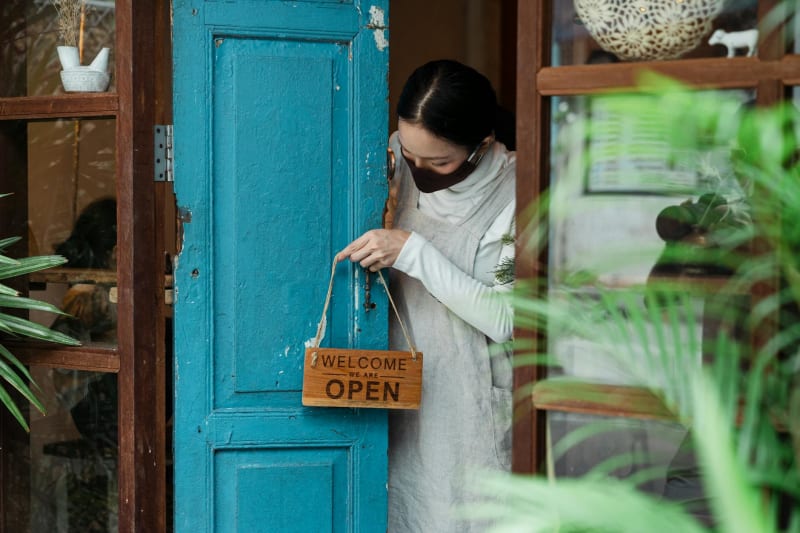
The reopening of this Westfield favorite, however, signals a potential shift, suggesting that resilience, community support, and strategic planning can help overcome the 'loser' narrative. While the initial impact was devastating, the subsequent effort to revive the business positions it as a symbol of hope and a potential 'winner' in the recovery phase. This comeback story challenges the binary of winners and losers, illustrating that even those severely impacted can find pathways back to success through determination and a strong connection with their customer base, potentially inspiring other struggling businesses.
Analyst Perspectives
Industry analysts consistently point to the pandemic as a catalyst for accelerating pre-existing trends in the restaurant sector, such as the dominance of delivery platforms and the increasing importance of digital engagement. For businesses like the Westfield eatery, the challenge was not just surviving the immediate crisis but fundamentally rethinking their operational models to align with these shifts. Experts emphasize that a successful comeback requires more than just reopening the doors; it necessitates a robust digital strategy, efficient operational workflows that accommodate both dine-in and off-premise dining, and a keen understanding of evolving consumer preferences for convenience and safety.
Furthermore, the role of community support cannot be underestimated in the recovery of small, independent restaurants. Analysts highlight that businesses with strong local ties and loyal customer bases often have a distinct advantage. This support can manifest in various ways, from direct financial contributions and patronage during reopening phases to vocal advocacy and positive word-of-mouth marketing. The Westfield community's embrace of the restaurant's return is a critical factor, providing the essential momentum needed to overcome the lingering economic challenges and rebuild a sustainable business model in a competitive market.
Looking ahead, experts advise that adaptability and innovation remain paramount for long-term success. Businesses must remain agile, prepared to respond to potential future disruptions and changing market dynamics. This includes exploring diversified revenue streams, investing in staff training and retention to combat labor shortages, and continuously refining the customer experience. The successful revival of this Westfield establishment will likely serve as a valuable case study, offering insights into the strategies and resilience required for businesses to not only recover but thrive in the post-pandemic era.
Key Questions Explained
The Outlook
The successful reopening of this beloved Westfield restaurant marks a significant victory against the economic devastation wrought by the pandemic. It serves as a powerful symbol of resilience, demonstrating that even businesses pushed to the brink can find a path back to prosperity with determination and community backing. The future for such establishments hinges on continued adaptability, a keen understanding of evolving consumer demands, and the ability to navigate ongoing economic pressures, including inflation and labor market challenges. This comeback story offers a hopeful precedent for the broader hospitality industry.
Moving forward, the restaurant's ability to sustain its revival will depend on its strategic approach to operations, marketing, and customer engagement. Analysts suggest that businesses that can effectively blend traditional hospitality values with modern operational efficiencies and digital integration are best positioned for long-term success. The Westfield community's continued patronage will be instrumental, reinforcing the idea that local support is a critical component of economic recovery and resilience for small businesses that form the backbone of town centers.
While the path ahead may still present challenges, the reopening itself is a testament to the enduring spirit of entrepreneurship and the deep connection between local businesses and their communities. The story of this restaurant's return is not just about a single establishment; it reflects a broader narrative of recovery and the persistent hope that cherished local institutions can not only survive but thrive once more, enriching the places they call home.

















Comments
No comments yet. Be the first to comment!