

Key Takeaways
- A coordinated joint response plan has been officially announced by the Africa CDC and the World Health Organization to effectively combat the current Ebola outbreak, signaling a unified approach to public health security.
- The plan prioritizes rapid deployment of resources, including medical personnel, essential supplies, and diagnostic tools, to the most affected areas to ensure swift intervention and containment efforts.
- Enhanced surveillance systems are being implemented to improve early detection of new cases and facilitate prompt contact tracing, which is crucial for breaking chains of transmission and preventing community spread.
- International collaboration and funding are deemed essential components of the strategy, with calls for sustained support from global partners to bolster healthcare infrastructure and response capabilities.
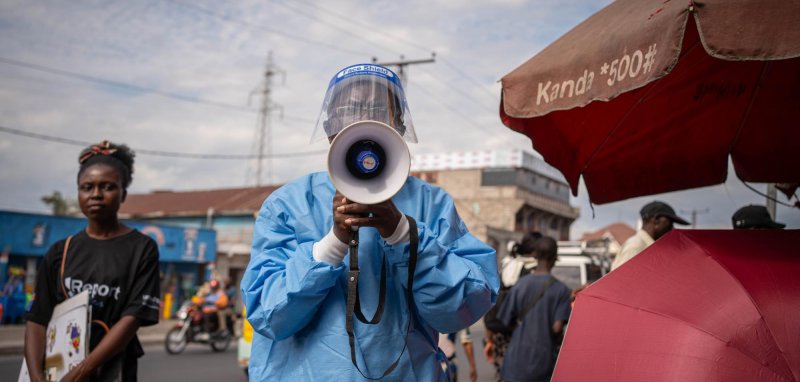
- Community engagement and risk communication strategies are central to the plan, aiming to build trust, disseminate accurate information, and encourage adherence to preventive measures among affected populations.
- The joint initiative emphasizes the importance of equitable access to treatment and care, ensuring that all individuals affected by the outbreak receive timely and effective medical attention regardless of their location or circumstances.
Background
The resurgence of Ebola, a highly contagious and often fatal viral disease, presents a significant public health challenge across several African nations. Historically, Ebola outbreaks have been characterized by their rapid spread and devastating impact on communities, often overwhelming fragile healthcare systems. The virus, typically transmitted through direct contact with bodily fluids of infected individuals or contaminated environments, requires immediate and rigorous containment measures. Previous outbreaks have underscored the critical need for swift international cooperation, robust surveillance, and well-resourced response teams to effectively manage and eventually extinguish the threat. The current situation demands a proactive and synchronized effort, building upon lessons learned from past epidemics to mitigate the potential for widespread devastation and ensure the safety of affected populations.
The Africa Centers for Disease Control and Prevention (Africa CDC) and the World Health Organization (WHO) have a long-standing partnership in addressing public health emergencies on the continent. The Africa CDC, established to strengthen the capacity of African institutions to prevent, detect, and respond to disease threats, plays a vital role in coordinating national public health efforts. The WHO, as the leading global health authority, provides technical expertise, sets international health standards, and mobilizes resources for health emergencies. Their collaborative efforts are essential for mounting an effective response, leveraging the unique strengths and mandates of each organization. This joint announcement signifies a renewed commitment to tackling the current Ebola crisis with a unified strategy, aiming to enhance operational efficiency and maximize the impact of response activities.
The geographical spread and epidemiological characteristics of the current Ebola outbreak necessitate a carefully calibrated and comprehensive response. Factors such as population density, cross-border movement, and existing health infrastructure vulnerabilities in affected regions significantly influence the potential trajectory of the epidemic. Understanding these dynamics is crucial for tailoring intervention strategies, from contact tracing and case management to vaccination campaigns where applicable. The historical context of Ebola outbreaks, often emerging in remote areas before spreading to more populated centers, highlights the importance of early detection and rapid response capabilities. This joint plan aims to address these complexities by integrating surveillance, diagnostics, treatment, and community engagement into a cohesive operational framework designed to contain the virus effectively.
Why It Matters
The declaration of a joint response plan by the Africa CDC and WHO carries immense significance for global health security. Ebola is not merely a regional concern; its potential for rapid international spread, as demonstrated in past outbreaks, poses a direct threat to populations worldwide. A swift, coordinated, and well-resourced response is paramount to preventing a localized epidemic from escalating into a global health crisis. This collaborative effort signals a commitment to mobilizing the necessary expertise, personnel, and financial resources to contain the outbreak at its source, thereby protecting vulnerable communities and preventing wider transmission. The effectiveness of this plan will be a critical determinant in averting widespread human suffering and economic disruption.
Beyond the immediate threat of viral transmission, Ebola outbreaks have profound socio-economic consequences. They disrupt essential health services, cripple local economies through fear and restricted movement, and place immense strain on already limited resources. Healthcare workers, who are on the front lines of the response, face significant risks, and their well-being must be a priority. Furthermore, the stigma associated with the disease can lead to social fragmentation and hinder effective public health interventions. The joint response plan’s focus on community engagement and equitable access to care is vital for rebuilding trust, ensuring that affected individuals receive support, and fostering a collective effort towards recovery and resilience.
The success of this joint response hinges on sustained political will, adequate funding, and effective implementation across multiple levels. It requires seamless coordination between international bodies, national governments, local health authorities, and community leaders. The lessons learned from previous epidemics emphasize that preparedness, rapid information sharing, and adaptive strategies are crucial. Failure to mount a robust and timely response could lead to a protracted outbreak with devastating humanitarian consequences and long-term implications for regional stability and global health preparedness. Therefore, the urgency and scale of this coordinated effort cannot be overstated.
Ground Reality
On the ground, the reality of an Ebola outbreak is one of immense pressure on healthcare systems and communities. Local health workers, often facing shortages of protective equipment and essential medicines, are the first line of defense, working tirelessly under extraordinarily difficult conditions. The fear of infection can lead to mistrust and resistance to public health measures, making contact tracing and safe burials challenging. Access to remote or conflict-affected areas can further complicate response efforts, requiring specialized logistical support and security assurances. The joint plan's success will depend on its ability to effectively reach these hard-hit areas, provide tangible support to local responders, and build trust with the population through culturally sensitive communication and engagement.
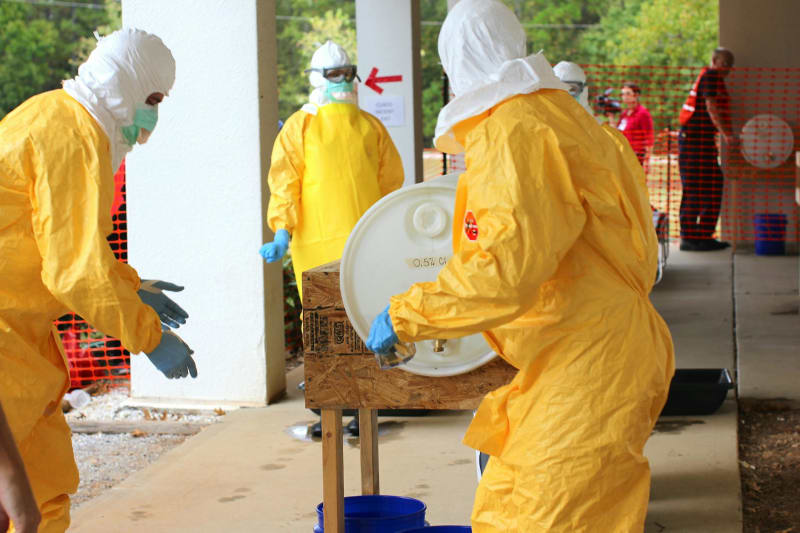
The implementation of the joint response plan involves deploying rapid response teams equipped with diagnostic tools, personal protective equipment (PPE), and therapeutic agents. Establishing and managing treatment centers requires significant infrastructure and trained personnel, often necessitating the rapid scale-up of existing facilities or the construction of new ones. Surveillance teams work to identify potential cases, track contacts, and monitor community transmission patterns. This requires robust data collection and analysis capabilities, as well as effective communication channels between different levels of the health system. The logistical challenges of transporting supplies, personnel, and samples in affected regions are substantial, demanding careful planning and coordination.
Community engagement is a cornerstone of effective Ebola response, yet it remains one of the most challenging aspects. Building trust with local leaders, religious figures, and community members is essential for encouraging adherence to preventive measures, facilitating safe burials, and dispelling misinformation. This involves deploying trained social mobilizers who can communicate effectively in local languages and understand cultural nuances. Addressing the fear and stigma associated with Ebola is critical to ensuring that individuals seek care early and that affected families receive the support they need. The joint plan's emphasis on community-centered approaches is vital for achieving sustainable containment and fostering long-term recovery.
What Experts Are Saying
Public health experts have widely welcomed the announcement of a joint response plan, emphasizing that a unified strategy is critical for effectively tackling Ebola. Dr. Anya Sharma, a leading infectious disease specialist, stated, 'The synergy between Africa CDC's continental reach and WHO's global expertise creates a formidable force against this deadly virus. This coordinated approach maximizes our chances of rapid containment and minimizes the risk of international spread.' The emphasis on strengthening surveillance systems and ensuring equitable access to diagnostics and treatments is particularly lauded, as these are often the weakest links in outbreak responses.
Analysts specializing in global health security highlight the importance of sustained international funding and political commitment. 'While the joint plan is a crucial first step, its success will ultimately depend on the consistent allocation of resources and the unwavering support of the international community,' commented Ben Carter, a senior fellow at the Global Health Institute. He further noted that 'past outbreaks have shown that complacency can set in once the immediate crisis appears to be subsiding, leading to underfunding and a resurgence of the disease. This plan must be backed by long-term investment in health infrastructure and preparedness.'
Epidemiologists stress the need for adaptive strategies that can evolve with the outbreak's dynamics. Professor Lena Hanson, an expert in disease modeling, remarked, 'Ebola outbreaks are complex and unpredictable. The response must be agile, incorporating real-time data analysis to identify hotspots, adjust interventions, and anticipate potential challenges. The joint plan's focus on robust data management and rapid information sharing is encouraging, but its execution will require constant vigilance and a willingness to adapt strategies as the situation evolves on the ground.'
Frequently Asked Questions
What Happens Next
The immediate next steps involve the swift deployment of assessment teams to the most affected regions to conduct rapid needs analyses and initiate the implementation of core response activities. This includes setting up or reinforcing diagnostic laboratories, establishing treatment centers, and deploying trained personnel equipped with necessary supplies. Simultaneously, enhanced surveillance systems will be activated, focusing on active case finding, rigorous contact tracing, and community-based monitoring to detect any new infections early. Risk communication campaigns will be intensified to ensure communities are informed about the outbreak, preventive measures, and available support services, aiming to foster cooperation and reduce fear.
Concurrently, efforts will focus on securing and channeling the necessary financial and logistical resources. The Africa CDC and WHO will work closely with national governments and international partners to mobilize funding, procure essential medical supplies, and arrange for the transportation of personnel and equipment. Establishing robust supply chains that can reliably deliver resources to remote and challenging environments will be a critical operational focus. Regular coordination meetings between all stakeholders, including national health ministries, local authorities, and international organizations, will be held to monitor progress, address challenges, and adapt strategies as the situation evolves.
Looking ahead, the focus will shift towards sustained containment efforts, including widespread vaccination campaigns where appropriate and the long-term strengthening of national health systems. Building local capacity for outbreak preparedness and response will be a key objective, ensuring that affected countries are better equipped to manage future health threats independently. Continuous monitoring of the epidemiological situation, scientific research into the virus and potential treatments, and ongoing community engagement will be crucial for achieving a lasting resolution to the current outbreak and enhancing overall public health resilience across the continent.

















Comments
No comments yet. Be the first to comment!