
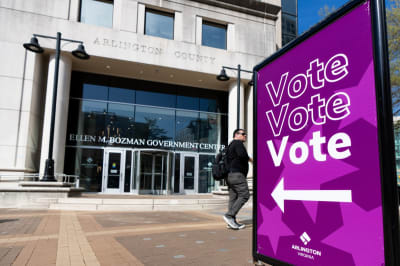
The upcoming midterm elections, a critical juncture for American democracy, are also becoming a prime hunting ground for a new breed of political grifters. Ordinary citizens, eager to support their chosen candidates and causes, are finding their generosity exploited by fraudulent Political Action Committees, often dubbed 'Scam PACs.' These entities masquerade as legitimate campaign finance vehicles, promising to channel hard-earned dollars into vital political battles, but instead, they divert funds into the personal coffers of unscrupulous operators. The immediate impact is felt at the household level: a retired teacher in Ohio might donate $50 to what she believes is a grassroots effort to protect voting rights, only to learn later that the vast majority of that money never touched a campaign. This erodes trust not only in the political process but in the very concept of civic engagement, leaving many disillusioned and less likely to participate in future elections, regardless of the stakes. This sophisticated deception is not entirely new, but its scale and methods are evolving rapidly. Historically, political fundraising has always attracted opportunists, but the digital age has supercharged their reach. The rise of online platforms and sophisticated micro-targeting techniques allows these Scam PACs to identify and bombard potential donors with tailored, emotionally charged appeals. These groups often leverage legitimate-sounding names and logos, sometimes even mimicking well-known, reputable organizations, to create a veneer of authenticity. The Federal Election Commission (FEC) has noted an increase in complaints related to misleading solicitations, yet the regulatory landscape struggles to keep pace with the speed and anonymity the internet affords. Currently, the landscape is particularly fraught. With control of Congress hanging in the balance and numerous state-level races commanding significant attention, the volume of fundraising appeals is overwhelming. Scam PACs are capitalizing on this frenzy, deploying aggressive tactics that include relentless email campaigns, deceptive social media ads, and even misleading direct mail. They often prey on anxieties surrounding hot-button issues, urging immediate action and donation. For instance, some groups have been observed soliciting funds for 'election integrity' efforts that are not affiliated with any official campaign or recognized party apparatus, raising serious questions about where those contributions are ultimately directed. The lack of transparency inherent in many of these operations makes it exceedingly difficult for the average donor to discern legitimate from illegitimate. The problem is amplified by the sheer volume of political messaging citizens are exposed to. A recent analysis indicated that political advertising spending across all platforms is projected to exceed $9 billion for this election cycle, creating a dense fog of information where fraudulent appeals can easily become lost. This environment makes it challenging even for diligent voters to perform due diligence. When donations are solicited through channels that lack clear accountability or verifiable affiliations, the risk of falling victim to a scam increases exponentially. The perpetrators are adept at creating a sense of urgency, a key psychological trigger that often bypasses critical thinking. Looking ahead, the prognosis is concerning without significant intervention. The sophistication of these fraudulent operations is likely to increase, employing even more advanced data analytics and personalized messaging to exploit voter psychology. As more campaign finance regulations are debated and potentially tightened, these illicit actors may find new loopholes or operate entirely outside existing legal frameworks. The potential for these funds to be used for purposes entirely antithetical to the stated donor intent – such as personal enrichment or even funding disinformation campaigns that further destabilize the political discourse – represents a significant threat to democratic integrity. The very act of donating, a cornerstone of citizen participation, could inadvertently fuel anti-democratic forces. This story resonates now because the stakes of the midterms are exceptionally high, and the volume of political discourse is at a fever pitch. Voters are keenly aware that their participation matters, and they are actively seeking ways to contribute. This makes them vulnerable to well-crafted deceptions that promise impact. The urgency of the moment, coupled with the increasing complexity of political finance, creates a perfect storm for these fraudulent schemes to flourish. People want to believe they are making a difference, and these scam artists are exploiting that fundamental human desire for agency and efficacy in the political arena. What this situation should inspire is a heightened sense of vigilance and a demand for greater transparency. It should prompt readers to pause before clicking that donate button or sending that check. It necessitates a critical examination of the soliciting organization, looking beyond emotionally charged language to verify affiliations, track records, and clear reporting structures. Awareness is the first line of defense, but it must be coupled with actionable steps to protect oneself and, by extension, the integrity of the electoral process. This is not merely about protecting individual finances; it is about safeguarding the health of our democracy from those who seek to profit from its vulnerabilities. Moving forward, the focus must shift towards proactive measures. This includes advocating for stronger regulatory oversight from bodies like the FEC, demanding clearer disclosure requirements from online platforms hosting political ads, and supporting investigative journalism that uncovers these operations. As election day approaches, watch for increased enforcement actions from regulatory bodies and potential legislative proposals aimed at closing these financial loopholes. The ongoing battle against these 'Scam PACs' will likely intensify, requiring constant adaptation from both voters and authorities.
In Brief
As midterm elections loom, shadowy 'Scam PACs' are exploiting voter urgency, siphoning donations meant for campaigns into fraudulent operations. This investigation reveals their tactics and the threat to democratic participation.Advertisement



Comments
No comments yet. Be the first to comment!