
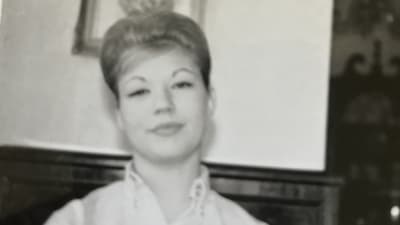
The world of television publicity has lost a guiding hand. Audrey Beth Davis, a veteran publicist whose career spanned decades and shaped the public perception of numerous beloved shows, passed away peacefully at the age of 82. Her colleagues at The Lippin Group, where she spent the latter part of her distinguished career, announced her death, noting she died of natural causes in Pennsylvania, surrounded by loved ones and caregivers. Davis's passing marks the end of an era for a generation of industry professionals who learned from her expertise and benefited from her dedication. Davis’s journey into the heart of entertainment PR began long before the advent of social media, a time when a well-placed newspaper quote or a carefully orchestrated television appearance held immense sway. She cut her teeth working for producer Goodson Todman on the popular game show "The Match Game" in the early days of television. This foundational experience in broadcast entertainment set the stage for her later success. She then transitioned to the burgeoning field of public relations, joining Stone Associates in the 1970s before becoming a pivotal figure at Lippin & Grant, later known as The Lippin Group, where she remained until her retirement in 2008. Her steady presence and strategic approach were instrumental in building the firm's reputation. The impact of her work is visible in the longevity and cultural footprint of many of television's most enduring series. During her extensive tenure, Davis was instrumental in crafting the public image for a remarkable roster of shows. Her portfolio included iconic sitcoms like "The Golden Girls" and "Empty Nest," alongside enduring dramas such as "Law & Order," "Law & Order: Special Victims Unit," and "Law & Order: Criminal Intent." She also contributed to the buzz around lighter fare like "The Love Boat." This broad range demonstrates her adaptability and deep understanding of how to connect different genres with their audiences. Why does her passing resonate so deeply now? In an age saturated with constant digital noise and fleeting online trends, Davis represented a more deliberate and perhaps more impactful form of publicity. Her approach, focused on building sustained narratives and fostering genuine connections between shows and their viewers, stands in stark contrast to the often ephemeral nature of modern digital marketing. The meticulous planning required for a successful press junket or a well-timed interview, skills she honed to perfection, laid the groundwork for the kind of brand loyalty that is increasingly difficult to achieve today. Her passing serves as a reminder of the foundational principles of public relations. This shift in the media landscape means her legacy is felt by a wide spectrum of individuals. It's felt by the seasoned executives at The Lippin Group who remember her as a mentor, like Don Ciaramella, who recalled Davis interviewing him for his position and described her as a “tremendously caring human being” who ensured colleagues had fun during demanding international conventions like MIP-TV and MIPCOM. It’s also felt by viewers who grew up with the shows she championed, their affection for these programs subtly shaped by the consistent, positive exposure she orchestrated. Furthermore, aspiring publicists today, even those focused on digital platforms, can learn from her strategic thinking and her emphasis on building strong, lasting relationships within the industry. The ripple effects of Davis’s career extend beyond individual shows to the broader television industry itself. Her success contributed to the professionalization of entertainment PR, demonstrating its crucial role in a show’s overall success. By managing perceptions and generating positive buzz, she helped create the environment where shows could thrive, gain critical acclaim, and achieve long-term popularity. This strategic management of public image is a vital, though often unseen, component of the entertainment ecosystem, directly influencing ratings, awards buzz, and network decisions. The stability she provided through consistent outreach was a bedrock for many productions. While Davis operated in an era predating widespread social media, her principles remain remarkably relevant. The core of her success lay in understanding audience psychology and crafting compelling narratives. Today, publicists still strive to achieve this, albeit through different channels. The engagement strategies she employed, focusing on storytelling and human interest, are precisely what often break through the clutter on platforms like Twitter and Instagram. Her emphasis on building personal connections, whether with journalists or with the public, is a timeless PR tenet that digital platforms have amplified rather than replaced. The foundation she built is still what smart campaigns are made of. Looking ahead, the industry will continue to grapple with the evolving definition of publicity in the digital age. As audiences fragment across countless platforms, the challenge of capturing and maintaining attention only grows. Davis’s career offers a valuable case study in building enduring appeal. Her ability to foster genuine connection and sustained interest in television programming, even without the immediate feedback loops of the internet, provides a blueprint for navigating the complexities of modern media. The conversations around her passing will undoubtedly spark reflection on how to blend her foundational strategies with new technological tools to create lasting impact.
In Brief
Audrey Beth Davis, a pivotal figure in television publicity, has died at 82. Her career shaped the image of iconic shows, leaving a lasting industry legacy.Advertisement




Comments
No comments yet. Be the first to comment!