
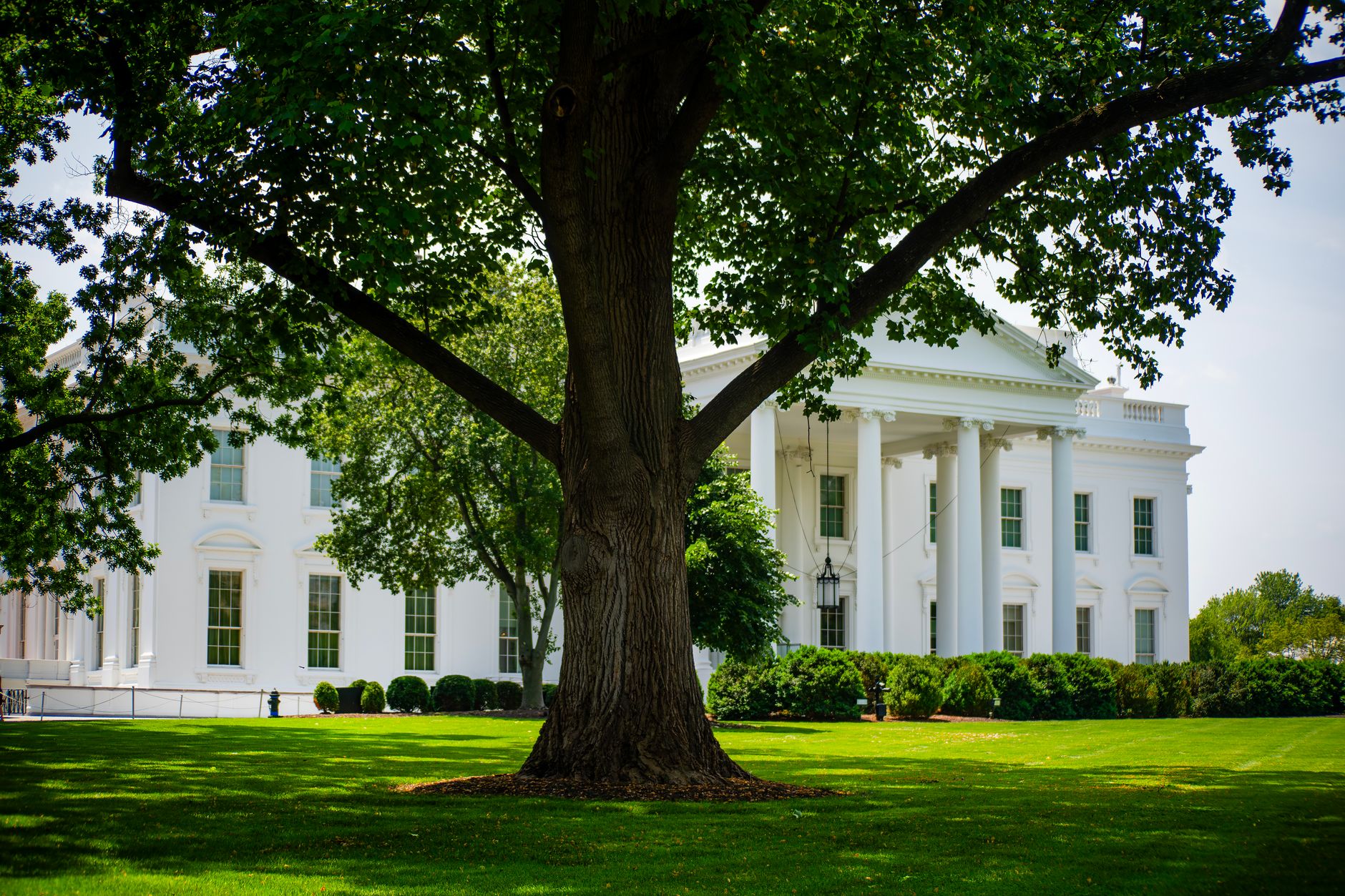
The whirring blades of Marine One slicing through the crisp autumn air, carrying the nation's highest officeholder to Walter Reed National Military Medical Center, is a scene that, while not entirely unprecedented, always draws a sharp intake of breath. This latest journey, however, felt different. It wasn't a scheduled annual checkup, nor was it precipitated by a declared crisis. Instead, it was a swift, unannounced trip that left observers and medical professionals alike scrambling for answers, fueling a wildfire of speculation about the underlying reasons for the president's sudden visit. The White House offered a brief statement citing "routine medical evaluation," but the vagueness of the announcement, coupled with the president's known penchant for projecting an image of robust health, only amplified the intrigue. Dr. Jonathan Reiner, a respected cardiologist and frequent medical commentator, voiced what many were thinking. He articulated a professional concern, not out of political animus, but from a place of clinical observation. Reiner pointed to a pattern of physical observations that, taken together, suggested more than just the expected wear and tear of age or the stresses of the presidency. He highlighted instances of what appeared to be significant daytime drowsiness, a phenomenon that seemed to manifest even during important public engagements. The image of a leader potentially struggling to remain alert during solemn ceremonies, like Memorial Day observances at Arlington National Cemetery, painted a concerning picture for those who believe the demands of the office require unwavering vigilance. Reiner's critique extended beyond just observed somnolence. He meticulously dissected the official explanations offered for seemingly minor but persistent physical anomalies. The hand bruising, initially attributed to vigorous handshakes, was deemed by many, including Reiner, as an unlikely primary cause given its severity and persistence. Similarly, the descriptions of ankle swelling, evolving from an apparent absence just months prior to being characterized as "chronic venous insufficiency," raised eyebrows. This rapid progression, Reiner suggested, could indicate a more acute underlying condition rather than a slow, degenerative process. Such inconsistencies between reported symptoms and their explanations breed distrust and invite deeper scrutiny. The data, while not directly from the president's private medical files, comes from aggregated observations and expert analysis of public appearances. These include video recordings of the president appearing disoriented or struggling to stay awake during speeches and meetings, as well as documented instances of physical complaints that were later downplayed or re-characterized by official spokespersons. The discrepancy between these observed realities and the carefully curated public narrative is where the true story lies. It’s a narrative battle fought in the space between what is seen and what is officially stated. Social media platforms, predictably, became the epicenter of public reaction. Hashtags like #PresidentialHealth and #WalterReedWatch trended for days. Memes depicting the president asleep at his desk, alongside grainy photos from public events, flooded timelines. While much of the online chatter was speculative and often laced with partisan commentary, a significant undercurrent of genuine public concern was palpable. Many users shared their own experiences with unexplained fatigue or swelling, seeking validation and information. This digital outpouring, though unfiltered, reflects a broader societal unease about transparency regarding the health of national leaders, especially when those leaders hold immense power. This situation, beyond the individual’s health, unearths a deeper systemic issue: the inherent tension between the public's right to know and the privacy afforded to any individual, even a president. The presidency is a unique role; its occupant’s physical and mental acuity directly impacts national security and global stability. Therefore, the traditional boundaries of medical privacy, while important, must be balanced against the profound public interest. The lack of clear, consistent, and medically sound explanations creates a vacuum that is inevitably filled by conjecture, potentially undermining public confidence in leadership. Stakeholder views are predictably divided. Administration officials have largely doubled down on the narrative of routine care, emphasizing the president's fitness for office and dismissing concerns as politically motivated attacks. Conversely, opposition figures and independent medical analysts continue to call for greater transparency, citing the potential risks associated with undisclosed health issues. The press, caught in the middle, faces the challenge of reporting responsibly without succumbing to sensationalism, diligently seeking verifiable facts amidst a sea of speculation and official obfuscation. The families of those who have served in high-pressure leadership roles often grapple with the immense toll such positions take, a reality that becomes amplified when the individual is the head of state. The president's health, or the perceived lack thereof, has become a recurring subplot in the larger political drama, influencing public perception, market stability, and international relations. The repeated, albeit brief, visits to Walter Reed, coupled with observable physical signs that seem to contradict official reassurances, create a persistent hum of uncertainty. This isn't merely about one person's physical condition; it's about the perceived stability and competence of the institution of the presidency itself, a cornerstone of both domestic and global order. The public's engagement, driven by a combination of genuine concern and political engagement, ensures this issue will remain in the spotlight. Looking ahead, the focus will undoubtedly remain on the president's public appearances and any subsequent medical updates. Any further deviations from his typical schedule or any recurrence of the observed symptoms will likely trigger renewed scrutiny. The administration faces a delicate balancing act: providing enough information to quell public anxiety without revealing details that could be exploited or that infringe upon personal privacy. The outcome of this transparency tightrope walk will significantly shape public trust in the coming months and years.
In Brief
Unusual visits to Walter Reed Medical Center for the president have ignited public and expert debate over his health, raising questions about transparency and the demands of the office.Advertisement
Comments
No comments yet. Be the first to comment!