

At a Glance
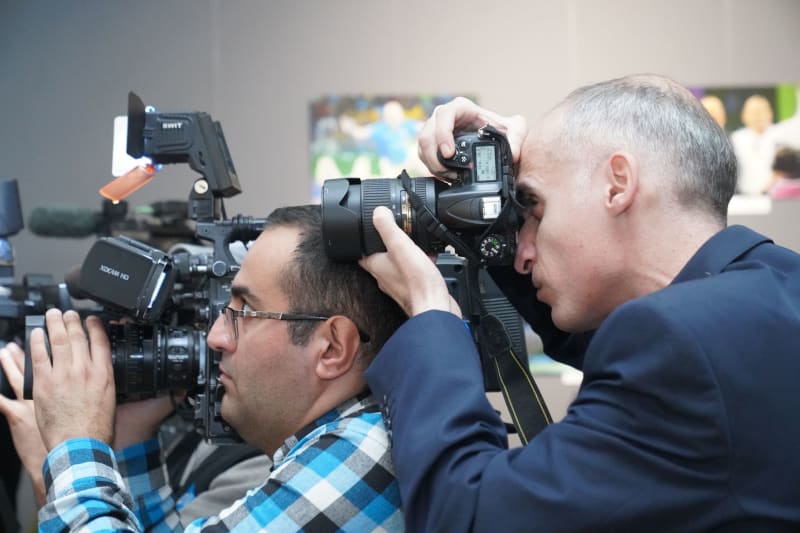
- The Pulitzer Prizes, America's most prestigious journalism awards, have once again spotlighted the profound impact of visual storytelling, particularly in the Breaking News Photography category.
- This year's selections underscore the immense courage and dedication of photojournalists who often place themselves in harm's way to document critical global events and human experiences.
- The winning images serve as powerful, unfiltered windows into moments of crisis, resilience, and profound human emotion, transcending language barriers to convey universal truths.
- Beyond mere documentation, these photographs frequently ignite public discourse, influence policy decisions, and foster empathy across diverse communities worldwide.
- The recognition by the Pulitzer board not only celebrates individual achievement but also reaffirms the indispensable role of independent journalism in a rapidly evolving media landscape.
- These photographic narratives are more than just pictures; they are vital historical records, shaping our collective memory and understanding of the past year's most significant happenings.
The Record
The Pulitzer Prizes, established by Joseph Pulitzer in 1917, stand as the pinnacle of journalistic achievement in the United States, recognizing excellence in newspaper, magazine, and online journalism, literature, and musical composition. The Breaking News Photography category specifically honors a distinguished example of breaking news photography in black and white or color, which may consist of a photograph or photographs, a sequence or an album. This award is not merely about technical skill; it's about the ability to capture the raw, unvarnished truth of a moment, often under extreme pressure and in dangerous conditions, providing an indelible visual record for the world.
Over the decades, Pulitzer-winning photographs have repeatedly shifted public perception and influenced historical narratives. From iconic images of war and civil rights struggles to natural disasters and moments of profound human connection, these photographs possess an extraordinary power to communicate complex realities instantly. The selection process is rigorous, involving panels of esteemed journalists and editors who meticulously review thousands of submissions, seeking images that not only document an event but also encapsulate its essence, evoke strong emotion, and demonstrate exceptional journalistic courage and insight. The impact of these images resonates far beyond the news cycle, becoming part of our collective visual memory.
The criteria for the Breaking News Photography award emphasize immediacy, impact, and journalistic integrity. Photographers are judged on their ability to be at the right place at the right time, often anticipating unfolding events, and to compose images that convey critical information and emotional depth. This year's winners continue a proud tradition of photojournalists who have risked everything to bring us the stories that matter most. Their work serves as a testament to the enduring power of visual storytelling and its crucial role in a democratic society, holding power accountable and informing citizens about the world around them with unparalleled clarity and urgency.
Who Knew and When
The announcement of the Pulitzer Prizes is a highly anticipated event in the journalism world, typically occurring in the spring. The specific date is determined by the Pulitzer Prize Board, which convenes annually at Columbia University. While the board deliberates in secret, the anticipation builds for months among news organizations and the public alike, as journalists and their teams await recognition for their groundbreaking work. The selection process itself begins much earlier, with submissions typically opening in the fall and closing in late January, giving the various juries ample time to review the vast array of entries across all categories.
Newsrooms across the country are often on tenterhooks, hoping their dedicated reporters, photographers, and editors will be honored. For the photojournalists specifically, the journey to a Pulitzer-winning image is often one of immense personal sacrifice, long hours, and confronting harrowing situations. They knew the risks when they embarked on their assignments, understood the critical importance of their mission, and delivered images that demanded attention. The public, in turn, becomes aware of these powerful visual narratives as soon as the prizes are announced, often leading to renewed interest in the events depicted and the broader issues they represent.
The impact of these photographs is often immediate and profound. Many of the images recognized for breaking news photography have already been widely published and seen by millions, shaping public understanding of unfolding crises in real-time. The Pulitzer announcement, however, elevates these works to a different level of recognition, cementing their place in journalistic history and often sparking deeper analysis and discussion about their context and implications. This formal recognition by the Pulitzer board ensures that these crucial visual records are not forgotten, but rather celebrated and studied for years to come, influencing future generations of journalists and citizens alike.
Voices from the Ground
The power of breaking news photography lies in its ability to give voice to the voiceless and to humanize statistics. The winning images often feature individuals caught in the throes of conflict, disaster, or profound social upheaval. These are the faces of the affected, their emotions laid bare for the world to see. A photograph of a family fleeing their home during a conflict, for instance, speaks volumes about displacement and loss, far more than any written report could convey alone. These images compel viewers to confront uncomfortable truths and to empathize with experiences far removed from their own daily lives, fostering a crucial sense of shared humanity.
Behind every award-winning photograph are countless untold stories of resilience, suffering, and survival. The subjects captured by these brave photojournalists are often ordinary people facing extraordinary circumstances. Their expressions, their gestures, and the environments they inhabit become powerful symbols of broader societal issues. When a photograph shows a community coming together after a devastating natural disaster, it highlights the strength of human spirit and collective action. Conversely, an image depicting injustice or oppression serves as a stark reminder of ongoing struggles and the urgent need for change. These visual narratives are not just about what happened, but about how it felt to be there, to live through it.
Photojournalists often form unique bonds with the communities and individuals they document, even if fleetingly. They carry the weight of these stories, understanding that their lens is a conduit for the voices that might otherwise go unheard. The recognition of these photographs by the Pulitzer board is, in many ways, also a recognition of the people in the frames. It ensures that their struggles, their triumphs, and their very existence are acknowledged on a global stage. This amplification of affected voices through compelling imagery is fundamental to the mission of journalism, driving awareness and, hopefully, inspiring action towards a more just and equitable world.
The Debate
The field of photojournalism, particularly in breaking news, is constantly grappling with ethical dilemmas and intense scrutiny. One recurring debate centers on the line between documenting reality and exploiting suffering. Critics often question whether certain images, while impactful, cross into sensationalism or invade the privacy of individuals during their most vulnerable moments. Photojournalists are trained to adhere to strict ethical codes, prioritizing accuracy, minimizing harm, and seeking consent where possible, but the fast-paced nature of breaking news often presents complex challenges that demand split-second decisions under immense pressure. The discussion around image selection and editorial judgment is continuous and vital for maintaining public trust.
Another significant point of contention revolves around the role of digital manipulation. In an era where image editing software is ubiquitous, the integrity of photographic evidence is paramount. The Pulitzer Prizes, like most reputable journalistic awards, have stringent rules against altering the content of photographs beyond standard adjustments for color, contrast, and cropping. Any manipulation that changes the factual content of an image is strictly forbidden, as it undermines the fundamental principle of truthfulness in journalism. This ongoing vigilance against manipulation is crucial for preserving the credibility of photojournalism as a reliable source of information in a world saturated with visual content.
Furthermore, the debate extends to the representation of global events and the potential for bias in coverage. Who gets photographed, and from what perspective, can significantly shape public opinion and policy. There's an ongoing discussion about ensuring diverse representation among photojournalists themselves and challenging dominant narratives. The Pulitzer selections, while celebrating excellence, also spark conversations about which stories are prioritized and how different regions and communities are portrayed. This critical self-reflection within the industry is essential for evolving photojournalism to be more inclusive, nuanced, and truly reflective of the complex world it seeks to document.
Your Questions Answered
What Accountability Looks Like
Accountability in photojournalism begins with the unwavering commitment to truth and accuracy. For the Pulitzer Prizes, this means rigorous verification of image authenticity, ensuring that photographs are not manipulated to alter factual content or mislead viewers. The winning photographs serve as a benchmark for this commitment, demonstrating how powerful visual narratives can be created without compromising journalistic integrity. This adherence to truth is fundamental to the credibility of the entire news industry and ensures that the public can trust the images they see, even when those images depict uncomfortable or challenging realities.
Beyond the individual image, accountability extends to the broader impact of photojournalism on society. Pulitzer-winning photographs often hold power accountable by exposing injustice, documenting human rights abuses, or revealing the consequences of policy decisions. They compel governments, corporations, and individuals to confront their actions and their effects on others. The act of bearing witness through photography creates a public record that cannot be easily dismissed, fostering transparency and serving as a catalyst for necessary change. This visual evidence often provides the irrefutable proof needed to initiate investigations or demand reform.
Ultimately, the accountability meter for breaking news photography is measured by its ability to inform, provoke, and inspire. When a photograph earns a Pulitzer, it's not just an award for the photographer; it's a validation of the critical role that visual journalism plays in a healthy democracy. It signifies that the work has met the highest standards of the profession, contributing significantly to public understanding and discourse. This recognition reinforces the importance of supporting independent, ethical photojournalism as a vital check on power and a crucial tool for fostering an informed and engaged citizenry, ensuring that important stories are not only told but seen.











Comments
No comments yet. Be the first to comment!