
The Story in Brief
- Former President Donald Trump is planning a highly unconventional birthday celebration that includes a cage fight event, raising eyebrows and sparking widespread discussion about its purpose and implications.
- The event, reportedly tied to Trump's 78th birthday, is being framed as a unique blend of political rally and entertainment spectacle, a move that deviates sharply from traditional birthday festivities.
- Critics are questioning the appropriateness and strategic value of such an event, suggesting it may serve as a distraction or a way to energize a specific base through provocative means.
- Supporters, however, might view it as a bold and attention-grabbing display of Trump's distinctive style, designed to generate buzz and media coverage ahead of key political moments.
- The decision to incorporate a combat sport into a presidential birthday event highlights a broader trend of political figures using unconventional tactics to capture public attention and define their image.
- This unique celebration underscores the ongoing narrative of Trump's presidency and post-presidency as being characterized by a willingness to push boundaries and challenge political norms.
The Human Face
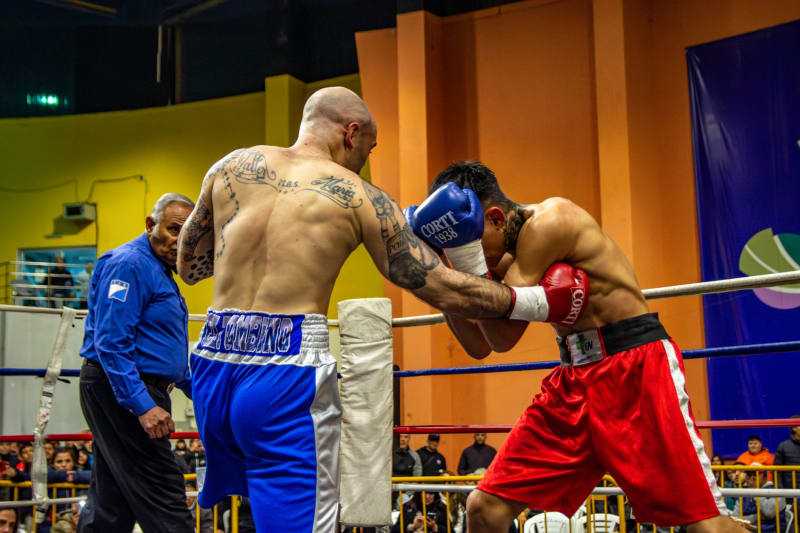
The decision by former President Donald Trump to host a cage fight event as part of his birthday celebration injects a visceral, almost primal, element into his public persona and political strategy. This choice moves beyond conventional political rallies and speeches, tapping into a raw, combative energy that resonates with a segment of his base. For those who see Trump as a fighter battling against established systems and political opponents, a cage fight metaphorically aligns with their perception of his struggle. It’s a bold statement, signaling a refusal to adhere to traditional presidential decorum and instead embracing a more aggressive, attention-grabbing style that consistently dominates news cycles. The spectacle itself, with its inherent drama and potential for conflict, mirrors the often-contentious nature of Trump's political career and his ongoing battles in the legal and public arenas. This approach aims to galvanize supporters by projecting an image of strength and defiance, while simultaneously provoking reactions from opponents, ensuring continued engagement and media attention.
Beyond the symbolic resonance, the human element of such an event lies in its potential to evoke strong emotions and create a memorable, albeit controversial, experience for attendees and observers. For Trump's most fervent supporters, this might be perceived as an authentic expression of his personality – a larger-than-life figure engaging in a larger-than-life activity. It offers a sense of shared identity and belonging, a feeling of being part of something unconventional and exciting that sets them apart from the mainstream. Conversely, for those who are critical of Trump, the event reinforces negative perceptions, portraying him as someone who thrives on spectacle and conflict, potentially trivializing serious political discourse. The fighters themselves, thrust into this politically charged environment, become part of the narrative, their physical contests potentially overshadowed or amplified by the political context. This intertwining of athletic competition with political messaging creates a complex human dynamic, where emotions run high and interpretations are deeply divided, reflecting the polarized nature of contemporary society.
The strategic calculation behind such a move also speaks volumes about the evolving landscape of political communication. In an era saturated with information and competing narratives, breaking through the noise requires increasingly dramatic and unconventional tactics. A cage fight birthday party is undeniably attention-grabbing, ensuring significant media coverage and social media buzz, which are crucial for maintaining visibility and momentum. It allows Trump to bypass traditional media gatekeepers and speak directly to his audience through a highly visual and engaging medium. Furthermore, it serves as a potent symbol of his political brand – one characterized by aggression, disruption, and a willingness to engage in perceived battles. This event isn't just a birthday party; it's a carefully curated performance designed to reinforce his image as a fighter, a leader who isn't afraid to confront opposition head-on, both literally and figuratively, thereby solidifying his connection with supporters who value strength and a no-holds-barred approach to politics.
How We Got Here
The path to Donald Trump hosting a cage fight event for his birthday is paved with a consistent history of employing unconventional and attention-grabbing tactics throughout his public life. From his early days as a real estate mogul and media personality, Trump cultivated an image of boldness, disruption, and a flair for the dramatic. His entry into politics was itself a departure from traditional norms, characterized by provocative statements, large rallies, and a direct, often combative, communication style. Throughout his presidency and subsequent political endeavors, this pattern has only intensified. He has consistently utilized spectacles – whether rallies, media appearances, or social media pronouncements – to dominate the news cycle and rally his base. The idea of incorporating a combat sport into a significant personal event like a birthday celebration is a logical, albeit extreme, extension of this established strategy. It reflects a deep understanding of how to generate buzz and leverage cultural moments for political gain, demonstrating a willingness to push boundaries that other politicians might shy away from.
Furthermore, the current political climate, marked by intense polarization and a constant demand for engagement, provides fertile ground for such provocative events. In an era where traditional political messaging can easily become lost in the digital deluge, events that offer a strong visual and emotional impact are more likely to capture attention and resonate with audiences. Trump's team has shown a keen ability to adapt and innovate in their communication strategies, recognizing that what works in one political cycle may not work in the next. The choice of a cage fight can be seen as an attempt to tap into primal emotions – aggression, competition, dominance – that are often present in political discourse, especially within Trump's supporter base. This event is not an isolated incident but rather a calculated move within a broader, long-term strategy to maintain relevance, energize supporters, and differentiate himself from a crowded field of political figures, all while staying true to his brand as a disruptive force.
The specific choice of a cage fight event also taps into a cultural fascination with combat sports, which often symbolize strength, resilience, and a willingness to overcome adversity. By associating his birthday celebration with such an event, Trump is not only creating a memorable spectacle but also reinforcing his image as a fighter, a narrative he has consistently promoted throughout his career. This narrative is particularly appealing to his core supporters, who often view him as a champion battling against perceived enemies and systemic challenges. The event can be interpreted as a symbolic continuation of these battles, a way to energize his base by associating his personal milestone with the aggressive spirit of competition. It’s a calculated risk, designed to generate maximum impact and media attention, ensuring that Trump remains at the center of political conversation, even outside of traditional campaign activities.
Why This Cannot Be Ignored
The decision by a prominent political figure like Donald Trump to host a cage fight event on his birthday transcends mere personal celebration; it represents a significant moment in the evolving landscape of political communication and spectacle. This event cannot be ignored because it signals a deliberate strategy to merge entertainment, aggression, and political messaging in a way that is both provocative and attention-grabbing. In an era where media saturation is a constant challenge, such unconventional tactics are designed to cut through the noise, ensuring maximum visibility and engagement with a targeted audience. The choice of a combat sport as a backdrop inherently injects themes of conflict, power, and dominance, which can be strategically leveraged to reinforce a political narrative. This move underscores the increasing blurring of lines between politics and entertainment, where image and spectacle often play as crucial a role as policy and substance in shaping public perception and mobilizing support.
Furthermore, the implications of this event extend to the broader discourse surrounding political leadership and public engagement. By embracing a spectacle that is inherently combative, Trump is not only appealing to a segment of his base that resonates with this aggressive style but also potentially normalizing the use of such confrontational imagery in political life. This can have a chilling effect on reasoned debate and constructive dialogue, further polarizing the electorate and making it more difficult to find common ground. The event serves as a potent symbol of a political approach that prioritizes disruption and conflict over consensus-building, raising questions about the kind of political culture it fosters. Ignoring this event means overlooking a critical indicator of how political figures are attempting to connect with voters in the digital age, often through increasingly extreme and sensational means, which has tangible consequences for democratic norms and civic engagement.
The strategic timing of such an event, likely occurring within a critical phase of an election cycle, adds another layer of urgency to its analysis. It suggests a calculated effort to energize supporters, generate earned media, and potentially distract from other pressing issues or controversies. The sheer novelty and inherent drama of a cage fight birthday party guarantee widespread media coverage, providing Trump with a powerful platform to communicate his message and reinforce his brand as a fighter. For political observers, understanding the motivations behind this choice and its potential impact on public opinion is crucial for comprehending the dynamics of modern political campaigning. It highlights how political figures are increasingly willing to leverage controversial or unconventional events to maintain relevance, shape narratives, and mobilize their base, making it imperative to pay close attention to these developments as they unfold.
Possible Paths Forward
One potential path forward following this unconventional birthday celebration involves a strategic pivot towards more traditional campaign messaging, using the generated buzz as a springboard. The media attention garnered by the cage fight event could be leveraged to amplify core campaign themes and policy proposals, aiming to translate spectacle into substantive political engagement. This approach would involve carefully crafted follow-up communications that connect the 'fighter' persona to concrete policy objectives, such as economic growth or national security, thereby reassuring a broader electorate that the underlying political agenda remains serious. The goal would be to capitalize on the heightened awareness while steering the narrative back towards policy debates, demonstrating that the provocative event was merely a prelude to a focused and determined campaign effort aimed at winning votes through policy substance.
Another possible trajectory is a continued embrace of the 'outsider' and 'disruptor' image, with future events and communications mirroring the provocative nature of the birthday celebration. This path would lean into the idea that Trump represents a radical departure from conventional politics, and that his style, including the use of spectacle, is precisely what appeals to his supporters and differentiates him from opponents. Future campaign activities might incorporate similar elements of entertainment and confrontation, aiming to maintain a high level of energy and media saturation. This strategy relies on the assumption that a significant portion of the electorate is drawn to Trump's unconventional approach and that doubling down on this persona will further solidify his base and potentially attract undecided voters who are disillusioned with traditional politics. The risk here is alienating moderate voters and reinforcing negative perceptions among opponents.
A third path could involve a more nuanced approach, where the 'fighter' persona is maintained but tempered with gestures towards broader appeal and reconciliation. This might involve strategically engaging with diverse groups or addressing concerns that extend beyond the core base, demonstrating a capacity for leadership beyond pure confrontation. The cage fight event, in this scenario, would be framed as a singular, symbolic moment of defiance, after which the campaign would focus on demonstrating a more inclusive and unifying vision for the country. This path requires careful calibration, balancing the aggressive image that energizes supporters with the need to persuade undecided voters and project an image of presidential readiness. It’s a delicate balancing act, aiming to harness the power of spectacle without becoming solely defined by it, ultimately seeking to broaden appeal while retaining core support.
Questions People Are Actually Asking
What to Watch
- Monitor the specific messaging Trump and his campaign deploy in the immediate aftermath of the event to gauge whether they pivot back to policy or continue to emphasize the 'fighter' persona.
- Observe the reactions from key demographic groups, particularly undecided voters and moderate Republicans, to assess the event's impact on broader electoral appeal.
- Track the media's framing of the event – whether it's primarily treated as entertainment, political strategy, or a controversial stunt – and how this coverage evolves over time.
- Pay attention to any statements or reactions from the fighters themselves, as their experiences within this politically charged environment could offer unique insights.
- Analyze the engagement metrics on social media and news platforms related to the event to understand public sentiment and the reach of the spectacle.
- Watch for any potential policy announcements or campaign initiatives that are strategically launched following the event, suggesting an attempt to capitalize on the generated attention.












Comments
No comments yet. Be the first to comment!