
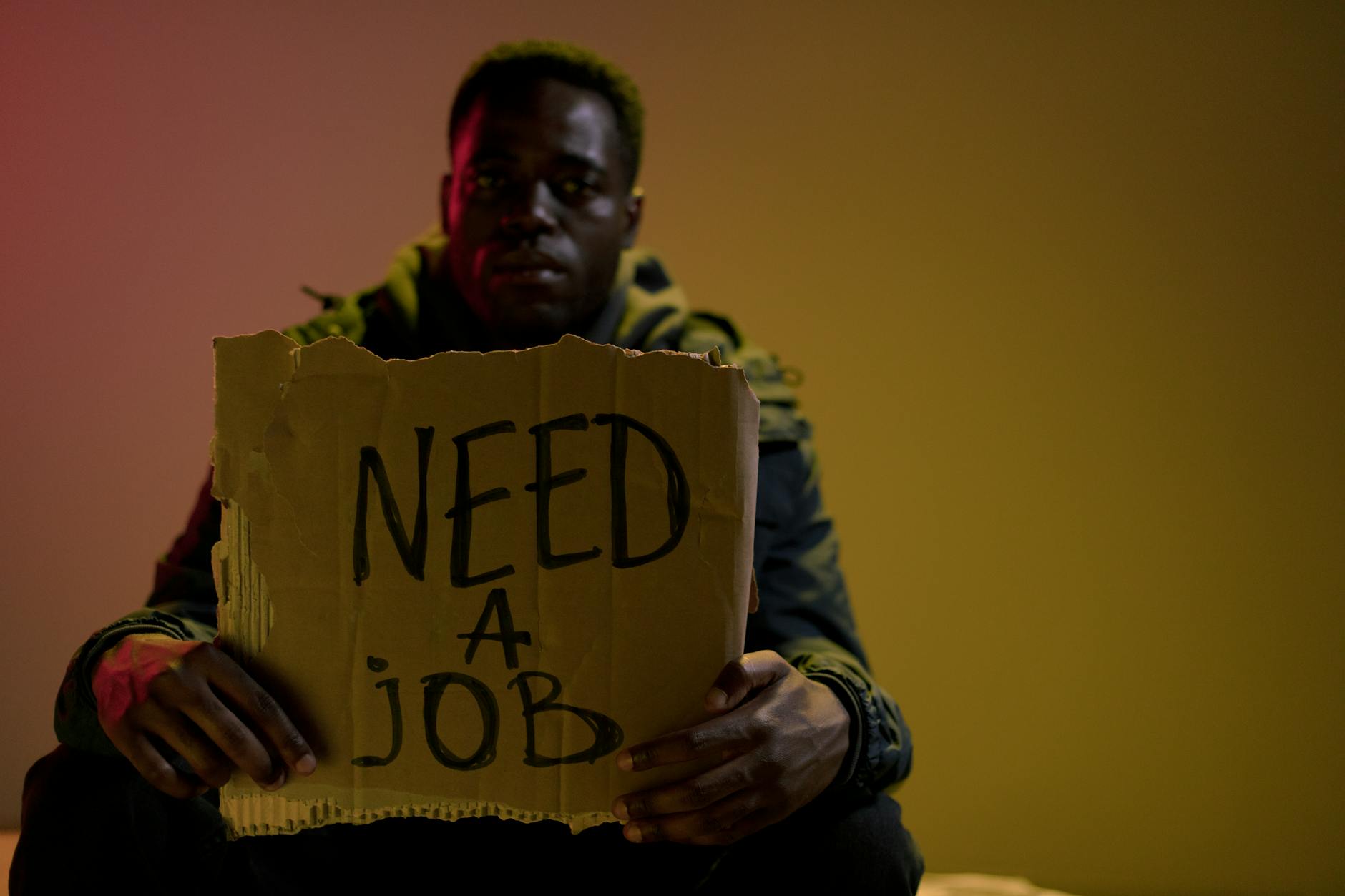

What We Know
- During Donald Trump's presidency, the United States experienced a net gain of approximately 172,000 jobs, reflecting a period of overall economic expansion and job creation across various sectors.
- Conversely, the entertainment industry, particularly Hollywood, has seen a significant decline in employment, with thousands of jobs reportedly lost, indicating a sharp downturn within this specific sector.
- This economic disparity suggests that national employment trends under one administration can diverge dramatically from the performance of key individual industries, influenced by a complex interplay of factors.
- The data points to a need for deeper analysis into the specific policies and market forces that contributed to job growth nationally while simultaneously leading to job losses in a prominent cultural and economic hub like Hollywood.
- Understanding these contrasting outcomes is crucial for evaluating the effectiveness of different economic strategies and their localized impacts on diverse segments of the workforce and economy.
- The reported figures highlight a critical difference in economic performance between the broader national economy and a specialized, often volatile, industry like entertainment, necessitating a nuanced perspective.
What We Do Not Know Yet
- The precise number of jobs lost within Hollywood and the specific sub-sectors most affected remains unclear, hindering a comprehensive understanding of the industry's employment crisis.
- The exact policy decisions or economic shifts at the national level that directly correlate with the 172,000 jobs added under the Trump administration require further detailed investigation.
- Whether the job losses in Hollywood are a temporary correction or indicative of a long-term structural shift in the entertainment industry's labor market is yet to be determined.
- The extent to which external factors, such as technological advancements, changing consumer behavior, or global economic conditions, have influenced both national job growth and Hollywood's decline is not fully quantified.
- The specific demographic and skill-based impacts of these employment changes on workers within both the national economy and the entertainment sector are not yet fully documented.
- A clear causal link between specific Trump-era policies and the national job figures, as well as the specific factors driving Hollywood's job losses, needs more rigorous economic analysis to be established definitively.
Background
The period under review, encompassing Donald Trump's presidency from January 2017 to January 2021, was marked by a focus on deregulation, tax cuts, and protectionist trade policies aimed at stimulating domestic economic activity and job creation. Proponents argued these measures fostered a favorable business environment, encouraging investment and hiring across the United States. Official statistics from the Bureau of Labor Statistics (BLS) indicated a generally positive trend in national employment during these years, with unemployment rates reaching historic lows. This narrative of broad-based economic recovery and growth was a central theme of the administration's economic agenda, often highlighted in public discourse and policy justifications. The administration frequently pointed to job numbers as evidence of its success in revitalizing the American economy, contrasting its performance with previous administrations.
In stark contrast, the entertainment industry, with Hollywood as its epicenter, has faced a turbulent period characterized by rapid technological disruption, evolving distribution models, and significant labor disputes. The rise of streaming services, the increasing cost of content production, and the impact of the COVID-19 pandemic on production schedules and live events have created immense pressure. Labor unions within the industry have also engaged in high-profile negotiations and strikes, seeking better wages, working conditions, and residuals in the face of changing industry economics. These internal and external pressures have contributed to a climate of uncertainty and, for many workers, a direct loss of employment opportunities as projects are delayed, scaled back, or become financially unviable. The industry's reliance on project-based work and its susceptibility to global market shifts exacerbate these challenges.
The juxtaposition of national job growth with industry-specific contraction raises critical questions about the distribution of economic benefits and the resilience of different sectors. While national aggregate data might show a healthy economy, this can mask significant underlying weaknesses or shifts within particular industries. The entertainment sector, despite its cultural prominence and economic significance, appears to be a case in point, demonstrating how a large industry can experience substantial job losses even during periods of general national economic expansion. This divergence underscores the complexity of economic performance measurement and the need to look beyond headline figures to understand the nuanced realities faced by different segments of the workforce and economy. It prompts an examination of whether national policies adequately address the unique challenges faced by specialized industries.
Why It Matters
The contrasting employment trajectories between the national economy under Trump and the Hollywood industry serve as a crucial indicator of divergent economic forces at play. Understanding this disparity is vital for policymakers, industry leaders, and workers alike, as it highlights how broad economic policies can have vastly different impacts across sectors. A national narrative of job growth can obscure significant challenges faced by specific industries, potentially leading to misallocated resources or inadequate support for affected workers. This situation demands a closer look at the effectiveness of economic strategies in fostering inclusive growth that benefits all segments of the economy, not just those performing well on aggregate.
For the thousands of individuals who have lost their jobs in Hollywood, this economic downturn represents a personal crisis, impacting livelihoods, families, and career trajectories. The decline in a major cultural and economic hub like Hollywood has ripple effects, potentially influencing creative output, media consumption, and the broader cultural landscape. It raises urgent questions about the future of the entertainment industry, its ability to sustain a large workforce, and the need for adaptive strategies in a rapidly changing media environment. Ignoring these localized crises while celebrating national job numbers would be a disservice to those directly affected and a failure to grasp the full picture of economic health.
Furthermore, this economic divergence offers valuable lessons for future policy-making and industry adaptation. It underscores the importance of sector-specific analysis and targeted interventions rather than relying solely on broad-stroke economic measures. Whether it's through workforce retraining programs, industry-specific support, or adjustments to regulatory frameworks, addressing the root causes of job losses in sectors like entertainment is paramount. The ability of the national economy to absorb displaced workers from struggling industries, or the lack thereof, is a key measure of its resilience and the effectiveness of its safety nets. This situation demands proactive solutions, not reactive measures, to ensure economic stability and opportunity.
Timeline of Events
- January 2017: Donald Trump inaugurated as President of the United States, initiating policies focused on tax cuts, deregulation, and trade renegotiations aimed at boosting the American economy.
- 2017-2020: National unemployment rates generally declined, reaching multi-decade lows, with consistent reports of job gains across various sectors, often cited by the administration as evidence of economic success.
- Mid-2010s - Present: The rise of streaming services intensified, leading to significant shifts in content production, distribution, and revenue models within the entertainment industry, creating both opportunities and challenges.
- Late 2010s: Growing concerns about the sustainability of traditional Hollywood business models emerged, alongside increased labor negotiations and disputes over compensation and working conditions for industry professionals.
- March 2020: The COVID-19 pandemic began to significantly disrupt global economies, including Hollywood, leading to widespread production shutdowns, event cancellations, and immediate job losses across the entertainment sector.
- Late 2020 - Early 2021: As the Trump administration concluded, the economic landscape was heavily influenced by the pandemic, with ongoing debates about the long-term impact on national employment and the specific vulnerabilities of industries like entertainment.
- 2021 onwards: Post-Trump era saw continued industry shifts, with major labor actions like the WGA and SAG-AFTRA strikes in 2023 highlighting ongoing tensions and job insecurity within Hollywood, despite broader economic recovery efforts.

Rapid-Fire Q&A
What Is Coming
- Continued evolution of streaming platforms and their impact on content creation, production budgets, and labor requirements within Hollywood is expected, potentially leading to further shifts in employment.
- Potential for new labor agreements and industry standards to emerge following recent strikes could reshape working conditions and compensation, influencing job availability and the cost of production.
- Increased focus on technological integration, such as AI in scriptwriting or virtual production techniques, may create new job opportunities while potentially displacing traditional roles, demanding workforce adaptation.
- Economic conditions in the broader national and global markets will continue to influence advertising revenue, consumer spending on entertainment, and overall investment in the industry, affecting job security.
- The long-term viability of certain Hollywood business models will be tested, possibly leading to further consolidation, mergers, or diversification strategies that could reshape the employment landscape.
- Policy discussions surrounding media regulation, intellectual property, and labor laws may arise, potentially impacting the structure and employment practices of the entertainment industry in the future.

















Comments
No comments yet. Be the first to comment!