
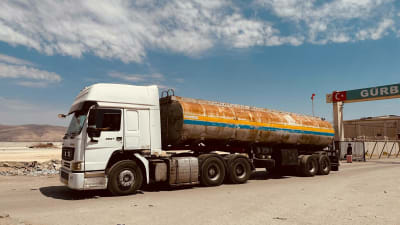
The air at the annual Port of Eagle Pass Trade Summit buzzed with a palpable tension, a subtle undercurrent beneath the polite discussions of trade volumes and infrastructure investment. It wasn't just the Texas heat radiating off the pavement, but the quiet acknowledgment of a system stretched thin. Industry leaders, gathered to chart the future of cross-border commerce, found themselves confronting a stark reality: the very success of nearshoring was creating unforeseen choke points, testing the limits of bridges, roads, and the trucking industry that fuels them. This critical juncture, where burgeoning demand meets aging infrastructure, is no longer a hypothetical future problem; it is the present challenge facing one of North America's most vital trade arteries. For decades, the relationship between the United States and Mexico has been a cornerstone of North American economic integration. The establishment of trade agreements and the gradual modernization of border crossings laid the groundwork for the current era of cross-border commerce. However, the recent surge in nearshoring, driven by global supply chain vulnerabilities exposed during the pandemic and a strategic desire to shorten transit times, has amplified the importance of these ports exponentially. Eagle Pass, a crucial gateway connecting Texas with Piedras Negras, Mexico, has seen its trade volume skyrocket, evolving from a regional crossing into a national linchpin. This transformation, while economically beneficial, has outpaced the necessary upgrades to its physical and operational capacity. The summit, a gathering of over 500 trade stakeholders, highlighted the dual forces at play: the undeniable growth fueled by manufacturers relocating production closer to the U.S. market, and the urgent need for parallel expansion of freight infrastructure. Jazz Sidhu, vice president of operations at Fisher Brothers Trucking and Logistics, articulated this dynamic clearly, noting how the influx of manufacturing inevitably necessitates increased capacity at ports like Eagle Pass. The challenge isn't merely about moving more goods; it's about doing so efficiently and safely, a task made more complex by the sheer volume and the existing limitations. Compounding the infrastructure strain is the persistent challenge of driver capacity within the trucking industry. Jeff Langloss, vice president of policy, regulatory affairs and safety compliance at the Texas Trucking Association, echoed concerns about the availability of qualified drivers. This isn't a new issue, but the increased demand from nearshoring operations exacerbates the problem, creating a bottleneck not just at the border itself, but throughout the entire supply chain. The industry faces a delicate balancing act: accommodating unprecedented freight volumes while grappling with a perennial labor shortage. Public reaction and social media discussions reflect a growing awareness of these border-related issues, often framed through lenses of economic opportunity and national security. While some online commentary celebrates the job creation and investment spurred by nearshoring, others voice concerns about traffic congestion, environmental impacts, and the strain on local communities. The visible increase in truck traffic and the associated delays have become a talking point, underscoring the tangible effects of these complex trade dynamics on everyday life and public perception. The implications for the future are significant. In the short term, expect continued congestion and potential delays at major border crossings like Eagle Pass, impacting delivery times and potentially increasing costs for businesses and consumers alike. The $3.77 billion in total trade handled by the Port of Eagle Pass in March, while a testament to its importance, also serves as a metric for the scale of the challenge. Industry leaders are actively seeking solutions, exploring public-private partnerships and advocating for increased government investment in border infrastructure. Looking further ahead, the sustained growth of nearshoring suggests that these border infrastructure challenges will only intensify unless proactive measures are taken. The current situation demands a strategic reimagining of how goods move across the U.S.-Mexico border. This includes not only physical expansions of bridges and roadways but also technological advancements in customs processing, digital supply chain management, and potentially new forms of transportation to alleviate pressure on existing routes. Failure to address these issues could stifle the very nearshoring trend that is driving this growth. What happens next will be crucial. Watch for announcements regarding potential funding allocations for infrastructure projects along the border, and monitor the legislative efforts aimed at streamlining cross-border logistics and addressing the trucking labor shortage. The ability of industry leaders and government officials to collaborate effectively on these fronts will determine whether the nearshoring boom becomes a sustainable engine for economic prosperity or a source of persistent logistical headaches for North America.
In Brief
As nearshoring transforms North American trade, the Port of Eagle Pass faces critical infrastructure strain. Industry leaders convened to discuss bottlenecks, driver shortages, and the urgent need for investment.Advertisement





Comments
No comments yet. Be the first to comment!