
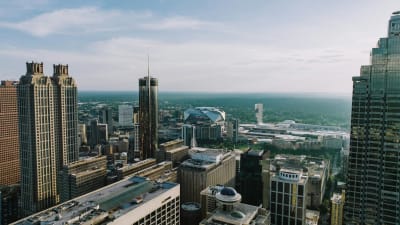
For decades, Atlanta's baseball landscape has been defined by a unique symbiosis between a maverick owner and a passionate fanbase, a relationship that reached its zenith during a transformative era. The move to Atlanta in 1966 marked a new chapter for the franchise, but it was the subsequent decades, particularly the period under Ted Turner's stewardship, that truly etched the team's identity into the city's heart. This wasn't just about wins and losses; it was about a fundamental shift in how a professional sports franchise could engage with its community, weaving itself into the very fabric of urban life. The early years in Atlanta were not met with immediate triumph. The 1975 season, for instance, saw the Braves languishing in the National League West, finishing 40½ games out of first place and drawing crowds that placed them near the bottom of major league attendance figures. This was a team struggling to find its footing, a stark contrast to the championship aspirations that would later define its legacy. The city, still relatively new to the major league experience, hadn't fully embraced its baseball club, and the team's on-field performance did little to ignite widespread fervor. Ted Turner's acquisition of the Braves was a pivotal moment, injecting a level of audacious personality and unwavering belief that was unprecedented. He was a showman, a risk-taker, and he saw in the Braves an opportunity to build not just a winning team, but a cultural institution. His famous declaration that he would be "the biggest damn cheerleader" the Braves ever had was more than just bravado; it was a blueprint for an ownership style that prioritized fan engagement and a deep connection with the city. This era wasn't just about scouting talent; it was about cultivating a narrative, a shared experience that transcended the nine innings of a game. Data from the period underscores this transformation. While the 1975 season paints a picture of struggle, the subsequent decades under Turner's ownership, particularly with the steady hand of manager Bobby Cox at the helm, witnessed a dramatic turnaround. The Braves consistently ranked among the league leaders in attendance, a testament to the growing loyalty and excitement Turner fostered. This wasn't accidental; it was the result of strategic marketing, a commitment to building a competitive product on the field, and an almost visceral connection to the pulse of Atlanta. The social media era has amplified and, at times, distorted these narratives. Fan reactions today are instantaneous, often tribal, and can quickly elevate or condemn team performance and management. While the direct, personal connection Turner fostered through his broadcasting empire and public persona is harder to replicate in today's fragmented media landscape, the underlying sentiment of wanting a team to represent the city with pride remains. Online discussions often hark back to the "golden age," seeking a return to that unifying spirit, even if the methods of engagement have evolved. Statements from various stakeholders, from former players to long-time season ticket holders, consistently point to the unique atmosphere cultivated during Turner's tenure. "He made you feel like you were part of something bigger than baseball," one former season ticket holder shared, reflecting on the accessibility and personality that defined the team. This sentiment is echoed by those who remember the days of Turner Field, a venue that felt more like a neighborhood gathering place than a sterile stadium. The focus was on creating memories, fostering a sense of belonging that resonated deeply within the Atlanta community. What this historical perspective compels us to consider is the enduring power of a sports franchise to act as a civic unifier. In an age where societal divisions can feel increasingly entrenched, the shared passion for a team can provide a vital common ground. The Braves' story, from its struggling beginnings to its ascendant years, highlights the potential for visionary leadership and sustained commitment to create more than just entertainment; it demonstrates the capacity to build an enduring legacy that strengthens a city's identity and pride. Looking ahead, the challenge for any sports franchise, and indeed for Atlanta's beloved Braves, lies in recapturing that elusive blend of on-field success and profound community connection. The modern game, with its analytics-driven approach and evolving fan expectations, demands a different playbook. Yet, the foundational principles of genuine engagement, authentic leadership, and a deep understanding of what it means to represent a city with heart and soul will undoubtedly remain the ultimate measure of success, shaping the next chapter of Atlanta's baseball narrative.
In Brief
Explore the transformative era of Atlanta Braves baseball under Ted Turner's ownership, a period that redefined fan loyalty and cemented the team's place in the city's identity.Advertisement



Comments
No comments yet. Be the first to comment!