
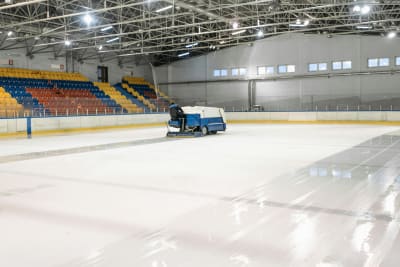
A colossal $1.1 billion private investment is poised to transform a significant swathe of Tucson's south side, ushering in a sprawling sports and entertainment complex named Mosaic Quarter. This ambitious undertaking, situated at 2500 E. Ajo Way, directly east of Interstate 10 and mirroring the expansive Kino Sports Complex across the highway, promises to redefine the region's recreational and commercial landscape. The sheer scale of private capital committed to a single project in this sector signals a bold new era for development in the Old Pueblo, moving beyond the typical municipal funding models that often characterize large-scale public amenities. The Mosaic Quarter's blueprint is as diverse as its name suggests. Beyond multiple ice rinks and facilities catering to over 20 different sports, the development is slated to include extensive retail spaces, dining establishments, and entertainment venues. This integrated approach aims to create a self-sustaining ecosystem, drawing visitors for athletic events and keeping them engaged with a variety of leisure activities. The developers envision a destination that serves not only local residents but also attracts regional and potentially national attention for tournaments and events, thereby bolstering Tucson's profile as a sports tourism hub. The project's location, adjacent to existing major thoroughfares and public transport links, is strategically chosen to maximize accessibility and impact. Early reactions on social media platforms have been a mix of palpable excitement and cautious optimism. Local community groups, particularly those focused on youth sports and recreation, have expressed enthusiasm about the increased access to facilities and the potential for new programming. However, some residents have voiced concerns regarding traffic congestion, the impact on existing neighborhood businesses, and the potential for gentrification. The developers have stated their commitment to community engagement, promising detailed traffic studies and opportunities for local input as the project progresses, aiming to preemptively address potential friction points and foster a sense of shared ownership. Experts in urban development and sports economics view Mosaic Quarter as a significant indicator of changing investment trends. "Projects like Mosaic Quarter represent a growing confidence in secondary markets and a shift towards private entities recognizing the untapped potential in cities like Tucson," commented Dr. Anya Sharma, a professor of Urban Planning at Arizona State University. "The ability to attract over a billion dollars in private funding suggests a robust business case, likely built on projected user demand and the ancillary economic benefits derived from a high-traffic destination. This isn't just about sports; it's about creating a vibrant community node that generates jobs and revenue." The sheer volume of facilities planned, from competitive ice hockey arenas to multi-purpose courts for basketball, volleyball, and futsal, is designed to accommodate a broad spectrum of athletic pursuits. This caters to a perceived gap in high-quality, modern indoor sports infrastructure within the greater Tucson metropolitan area. The inclusion of specialized training areas and potentially even sports medicine facilities further broadens its appeal, positioning Mosaic Quarter as a comprehensive hub for athletes of all levels, from amateur youth leagues to professional training camps. Beyond the immediate athletic and entertainment offerings, the broader economic implications are substantial. The construction phase alone is expected to generate thousands of temporary jobs, while the operational phase will create hundreds of permanent positions in retail, hospitality, and facility management. Moreover, the influx of visitors for events and tournaments will provide a significant boost to local hotels, restaurants, and other service industries. This ripple effect could revitalize a part of the city that has historically seen less large-scale commercial development, potentially spurring further investment and growth in the surrounding neighborhoods. The social impact, if managed effectively, could be profound. Access to state-of-the-art facilities can inspire a new generation of athletes, promote healthier lifestyles, and provide constructive outlets for young people. Community partnerships, envisioned by the developers, could offer subsidized access for underserved populations, ensuring the benefits are shared equitably. The challenge will be in translating these intentions into tangible programs that address local needs and foster genuine community integration, rather than simply serving as an external attraction. Looking ahead, the immediate future of Mosaic Quarter hinges on securing final permits and commencing the initial phases of construction. The coming months will be critical for observing the developer's engagement with local stakeholders and the transparency of their planning processes. Public scrutiny will likely remain high, with particular attention paid to environmental impact assessments and traffic mitigation strategies. The success of this venture will not only be measured by its economic returns but also by its ability to become a cherished and integrated part of the Tucson community, offering lasting benefits for residents and visitors alike.
In Brief
A $1.1 billion private investment is set to create the Mosaic Quarter, a massive sports and entertainment complex in Tucson. The development promises extensive facilities and amenities, sparking both excitement and concerns within the community.Advertisement

Comments
No comments yet. Be the first to comment!