
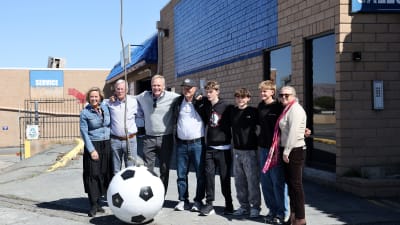
Reno's highly anticipated professional soccer stadium, once slated to welcome fans by next year, is now pushing its grand opening to 2028. This significant delay isn't merely about concrete and steel; it signifies a fundamental shift in strategy, as developers pivot from a standalone sports venue to an integrated entertainment district. The decision to merge the stadium's construction with a larger mixed-use project in South Reno, on the footprint of the former Jon Jackson Ranch, points to a bolder vision for the city's future entertainment landscape, albeit one that requires patience from eager soccer supporters. This strategic realignment raises immediate questions about the project's viability and the ripple effects on Reno's burgeoning sports scene. The initial excitement surrounding a dedicated soccer facility, intended to anchor a new professional team, has been tempered by the extended timeline. Developers are now prioritizing the creation of a comprehensive entertainment destination, featuring retail, dining, and hospitality alongside the stadium, suggesting that the soccer team's arrival is now intrinsically linked to the success of a much larger commercial undertaking. This approach, while potentially more lucrative in the long run, introduces complexities and financial dependencies that could prolong the wait for the roar of the crowd. The immediate impact of this delay falls squarely on the shoulders of the professional soccer team and its fanbase. Season ticket holders and local soccer enthusiasts, who have been counting down the days, will now have to wait an additional year to experience live professional matches in a purpose-built venue. This prolonged anticipation tests the loyalty of supporters and could potentially dampen the initial momentum for the team, especially if fan engagement strategies are not robustly maintained during the interim. Furthermore, local businesses near the proposed site, who might have anticipated an influx of customers with the stadium's original opening, will also see their projected economic benefits pushed back. Several factors appear to be driving this ambitious pivot. The developers, led by DC Development, are likely aiming to leverage the economic synergies of a mixed-use district. By combining the stadium with commercial and residential elements, they can create a self-sustaining ecosystem that attracts a broader audience and generates revenue streams beyond game days. This strategy also potentially makes the project more attractive to investors, as it diversifies risk and offers multiple avenues for return. The inclusion of an entertainment complex suggests a recognition of evolving consumer preferences, moving away from single-purpose venues towards destinations offering a variety of experiences. This story is resonating with Reno residents and observers of urban development due to its broader implications for the city's growth and identity. For years, Reno has been striving to diversify its economy beyond its traditional gaming and hospitality sectors. The promise of a major league soccer team and a state-of-the-art stadium represented a significant step in that direction, signaling a maturation of the city's cultural and recreational offerings. The current shift, however, introduces uncertainty about the pace and nature of this evolution, prompting a reevaluation of Reno's trajectory as a destination for professional sports and entertainment. Those who stand to gain significantly from this revised plan are the developers and potential future tenants of the entertainment district. A successful mixed-use development could transform the South Reno landscape, creating jobs and boosting local commerce. The city of Reno, if the project proceeds as envisioned, could also benefit from increased tax revenue and enhanced appeal as a tourist and resident destination. Conversely, the primary losers in this scenario are the immediate soccer fans, whose wait is extended, and potentially any smaller, ancillary businesses that were banking on the original stadium opening for immediate economic uplift. The financial architecture of such a large-scale undertaking is intricate. While specific figures for the total project cost remain under wraps, industry analysts suggest that integrated entertainment districts can run into hundreds of millions of dollars. The successful financing of this venture will hinge on securing a complex web of private investment, potential public-private partnerships, and the market's appetite for the retail and residential components. The delay allows for more thorough financial planning and market analysis, but it also heightens the risk of cost overruns and shifting economic conditions over the next four years. Looking ahead, the critical factor to watch will be the developers' ability to maintain momentum and secure the necessary financing for the entire entertainment district. Progress on the non-stadium components of the project will be a key indicator of the project's overall health. Fans will be keenly observing any updates regarding the soccer team's operations and engagement strategies during this extended period. The next few years will be crucial in determining whether this ambitious vision for a South Reno entertainment hub ultimately materializes into the vibrant destination developers envision, or if further adjustments to the timeline and scope become necessary.
In Brief
Reno's professional soccer stadium opening is postponed to 2028 as developers integrate it into a larger entertainment district, shifting the city's development focus.Advertisement



Comments
No comments yet. Be the first to comment!