
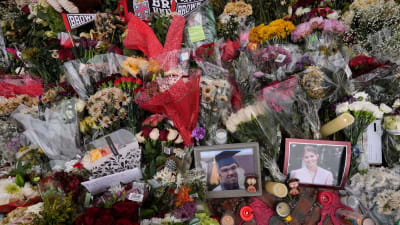
The chilling violence that shattered the quiet halls of Brown University and extended to a Massachusetts Institute of Technology professor's home was not the act of a stranger striking indiscriminately. Instead, federal investigators have pieced together a narrative of meticulous planning and deeply personal vendetta, suggesting the perpetrator, Claudio Neves Valente, meticulously targeted symbols he believed represented his life's perceived failures and injustices. This revelation stands in stark contrast to the initial shock and fear that often accompany such tragedies, where the randomness can amplify feelings of vulnerability. This understanding of the attacks as symbolic is crucial for comprehending the perpetrator's mindset and the broader implications for institutional safety. The FBI's behavioral assessment indicates Neves Valente, a former Brown student, spent years cultivating a worldview steeped in grievance, isolating himself from social support networks. This prolonged period of introspection, unmoderated by external perspectives, allowed a potent narrative of marginalization and personal inadequacy to fester, ultimately fueling his destructive actions. The violence, therefore, becomes an expression of an internal struggle, a desperate attempt to reclaim agency by enacting retribution on perceived tormentors. Why this matters now extends beyond the immediate grief and trauma experienced by the victims and their communities. It forces a re-evaluation of how individuals who drift to the fringes of society, exhibiting signs of profound discontent and isolation, might be identified and offered support before their internal turmoil erupts into catastrophic violence. The FBI's findings highlight a disturbing pattern where years of simmering resentment, devoid of opportunities for intervention or external validation, can culminate in acts that appear sudden to the outside world but were, in fact, deeply rooted in the perpetrator's personal history. The individuals directly affected are, of course, the two students killed and the nine injured at Brown University, along with the MIT professor murdered in his home. Their lives, and the lives of their families and friends, have been irrevocably altered. Beyond these immediate victims, however, institutions like Brown and MIT, and indeed any academic or professional environment, are now grappling with the unsettling reality that they can become potent symbols in the fractured psyche of an individual. This broader impact necessitates a more nuanced approach to campus security and mental health outreach, recognizing that threats can stem from deeply personal, albeit distorted, perceptions of institutional roles. The FBI report, released Wednesday, offers specific insights into Neves Valente's internal state. Investigators noted that he "appeared to struggle with how he viewed his life achievements and felt he was considerably marginalized by others." This perception, amplified by a growing sense of failure, led to increased paranoia and a belief that he was mentally unwell and committed to dying. The psychological landscape described is one of profound despair, where external validation was absent and internal validation was increasingly negative, creating a fertile ground for a violent resolution. The attacks were not a spur-of-the-moment decision but a calculated, albeit psychologically disturbed, response to a self-constructed reality. Identifying potential solutions requires a multi-pronged approach. Enhanced mental health support services on university campuses are paramount, ensuring that students and former students have accessible avenues for help. Furthermore, fostering a sense of community and belonging can serve as a powerful antidote to the isolation that seems to have characterized Neves Valente's life. This includes encouraging peer support networks and creating environments where individuals feel seen and heard. The FBI's acknowledgment that only Neves Valente knew the full reason behind the attacks underscores the challenge, but proactive measures can mitigate the risk. For ordinary people, this story is a stark reminder of the hidden battles that individuals can fight in isolation. It underscores the importance of empathy and awareness within our communities. The perception of marginalization, whether real or imagined, can have devastating consequences when left unaddressed. This tragedy compels us to consider how we, as a society, can better identify and support those who are struggling, fostering connections that might prevent such profound despair from leading to violence. It’s about recognizing that the safety of our communities is intrinsically linked to the well-being of all its members. Looking ahead, the focus will likely remain on understanding the efficacy of threat assessment protocols in academic institutions and the broader societal efforts to destigmatize mental health issues and encourage help-seeking behavior. The meticulous nature of the FBI's investigation into Neves Valente's motivations offers a roadmap for future inquiries into similar incidents, emphasizing the need to look beyond immediate triggers and delve into the prolonged psychological trajectories of perpetrators. The challenge now is to translate these insights into tangible preventative measures that can safeguard future generations from such senseless acts of violence.
In Brief
Federal investigators reveal the Brown University shooter's actions were not random, but targeted symbols of his personal failures. This in-depth report explores the perpetrator's motivations and the broader implications for institutional safety and societal awareness.Advertisement





Comments
No comments yet. Be the first to comment!