
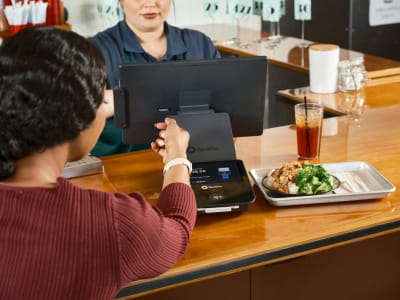
The roar of the crowd, the smell of wings, the shared anticipation of a touchdown – for decades, these elements have been inextricably linked to the weekly ritual of watching NFL games in local bars and restaurants. Patrons expected to walk into their favorite neighborhood spot and find multiple games playing simultaneously, a communal experience facilitated by traditional cable and satellite packages. However, a seismic shift is underway, promising to dismantle this long-standing tradition and leave many establishments struggling to stay afloat. This isn't just about a change in how fans access games; it's a fundamental disruption of a business model. For years, bar and restaurant owners relied on the comprehensive NFL Sunday Ticket package, primarily distributed through satellite providers, to draw consistent crowds. The ability to broadcast numerous games at once on multiple screens transformed these venues into de facto sports hubs, driving sales of food and beverages during crucial weekend hours. The NFL's decision to move exclusively to a streaming-only platform, EverPass Media, starting with the 2026 season, represents a stark departure from this established norm, catching many business owners completely off guard. The historical context of sports broadcasting in the United States provides crucial insight into the current predicament. The Sports Broadcasting Act of 1961 carved out a unique antitrust exemption for professional sports leagues, allowing them to collectively bargain and sell their media rights as a unified package. This legislation, designed to bolster the nascent television industry and the leagues themselves, inadvertently created a system where access to live sports content became a tightly controlled commodity. For nearly three decades, DirecTV held near-monopolistic control over the NFL Sunday Ticket, a lucrative arrangement that benefited both the league and the satellite provider, while establishing a predictable distribution channel for businesses. Now, the landscape is being redrawn. The move to a streaming-only model, while potentially appealing to the NFL for its direct-to-consumer reach and data collection capabilities, presents a significant hurdle for businesses. Streaming services, by their nature, are often individual subscriptions. The ability for a bar to legally broadcast these games requires a commercial license, a complex and potentially costly undertaking that differs significantly from existing bulk satellite contracts. This transition introduces uncertainty and financial burdens, as owners must navigate new licensing structures and potentially higher costs for a service that may not be as reliable or as widely accessible within their establishments. Concerns are escalating, voiced through urgent appeals to lawmakers. The Iowa Restaurant Association, for instance, has directly communicated its anxieties to Senate Judiciary Committee Chairman Chuck Grassley. Similarly, the Wisconsin Restaurant Association has engaged with Rep. Scott Fitzgerald, who leads the House Judiciary Subcommittee on Antitrust. These associations, representing thousands of independent operators, are not merely complaining; they are advocating for legislative intervention. They are urging Congress to consider "transition protections," "accountability standards," and "Congressional oversight" to ensure fair play and prevent the NFL's distribution strategy from undermining the very businesses that have historically supported its popularity. The stakes are undeniably high. For many restaurants and bars, particularly those in smaller markets or with limited budgets, the NFL season is a vital revenue driver. The potential loss of this consistent stream of patrons, who would otherwise stay home and stream games individually, could be devastating. This isn't just about bars losing out on a few hundred dollars in sales; it's about the potential for widespread business closures, impacting not only owners and employees but also the broader economic ecosystem of local communities. The ripple effect could be felt in reduced local spending, decreased demand for suppliers, and a general dimming of the vibrant social fabric that these establishments help weave. The legal underpinnings of this conflict also warrant examination. While the Sports Broadcasting Act granted leagues certain exemptions, the current shift raises questions about whether the NFL's new distribution strategy remains within the spirit, if not the letter, of antitrust laws designed to prevent monopolistic practices. The move to a single, potentially less accessible streaming platform could be interpreted as leveraging market power in a way that disadvantages small businesses and consumers. Lawmakers are being pressed to investigate whether this new arrangement fosters fair competition or stifles it. Looking ahead, the immediate future hinges on the NFL's willingness to negotiate and the legislative response from Congress. Will the league offer commercial licensing options that are affordable and manageable for bars and restaurants? Will lawmakers step in to provide a regulatory framework that balances the league's evolving distribution goals with the survival of its traditional business partners? The outcome of these discussions will shape not only how NFL games are watched but also the economic viability of countless local establishments that have long been cornerstones of their communities. The coming months will reveal whether the NFL's digital future comes at the expense of its most loyal, brick-and-mortar fan bases.
In Brief
NFL's exclusive streaming deal for 2026 season sparks fear among U.S. restaurants. Local businesses worry about losing crucial revenue as access to games becomes complex and costly, leading to urgent pleas to Congress.Advertisement





Comments
No comments yet. Be the first to comment!