
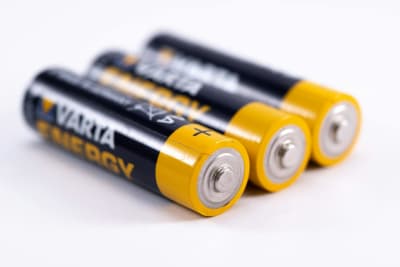
The global pursuit of sustainable energy faces a critical bottleneck: energy storage. For years, lithium-ion batteries have been the undisputed champions, powering everything from smartphones to grid-scale installations. However, a groundbreaking development from Chinese researchers offers a compelling new vision, challenging the established order with an all-iron flow battery that is not only cheaper and more abundant but also inherently safer. This innovation could fundamentally reshape how we store renewable energy, moving us closer to a truly fossil-fuel-free future. The limitations of current battery technology are becoming increasingly apparent. Lithium, the cornerstone of today's dominant batteries, is a finite resource. Its extraction is concentrated in politically sensitive regions and environmentally taxing locations. For instance, approximately one-third of the world's lithium originates from the water-scarce salt flats of Argentina and Chile, where mining operations consume vast amounts of precious water. Furthermore, cobalt, another crucial component, is largely sourced from the Democratic Republic of Congo, a region plagued by documented issues of child labor and hazardous working conditions. These ethical and environmental concerns cast a long shadow over the long-term viability and sustainability of lithium-ion dominance. This new all-iron flow battery, detailed in the journal *Advanced Energy Materials*, bypasses these critical weaknesses. It utilizes readily available, low-cost materials and a water-based electrolyte. The implications are significant: a dramatic reduction in the environmental footprint and ethical quandaries associated with battery production. Crucially, the water-based electrolyte eliminates the risk of explosion, a safety concern that, while managed in current technologies, remains an inherent characteristic of some lithium-ion chemistries. Researchers report that this novel design has demonstrated remarkable durability, achieving over 6,000 charge-discharge cycles without any significant loss in capacity. This translates to an operational lifespan of roughly 16 years if used daily for grid storage applications. Such longevity, combined with the lower cost of iron compared to lithium and cobalt, positions this technology as a potentially transformative force in making renewable energy more economically competitive and reliable. The ability to store energy generated from intermittent sources like solar and wind when they are most productive and then deploy it during peak demand or when generation dips is paramount to grid stability. The social media landscape is already buzzing with discussions about this breakthrough. Enthusiasts and environmental advocates are hailing it as a potential game-changer, sharing articles and expressing hope for a faster transition to renewables. Skeptics, however, raise valid questions about scalability, manufacturing costs at mass production levels, and the efficiency compared to established lithium-ion systems. Public reaction is largely optimistic, fueled by the promise of cleaner technology and reduced geopolitical dependency on critical mineral supplies. Several entities stand to gain significantly from this development. Manufacturers capable of producing these new batteries at scale could capture a substantial market share. Utility companies looking for cost-effective and safer grid storage solutions would benefit immensely, potentially leading to lower energy prices for consumers. Countries and regions heavily reliant on imported energy or concerned about the ethical sourcing of battery materials could also see this as an opportunity to enhance their energy independence and security. Conversely, those with significant investments in existing lithium-ion battery supply chains and manufacturing infrastructure face potential disruption. Companies heavily involved in lithium and cobalt mining, as well as established battery producers, will need to adapt or risk being outmaneuvered by this more sustainable and cost-effective alternative. The transition, while beneficial for the planet and consumers, will undoubtedly create economic challenges for some. The path forward requires rigorous testing and scaling. While laboratory results are promising, the real-world performance and economic viability of these all-iron flow batteries will depend on successful pilot projects and industrial-scale manufacturing. The next few years will be crucial in determining whether this innovation can truly unseat the long-reigning lithium-ion technology and fulfill its potential as a cornerstone of a sustainable energy future.
In Brief
A new all-iron flow battery developed by Chinese researchers offers a cheaper, safer, and more sustainable alternative to lithium-ion technology, potentially revolutionizing grid-scale energy storage.Advertisement



Comments
No comments yet. Be the first to comment!