
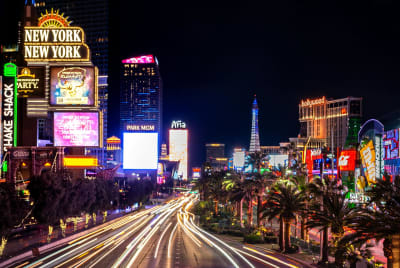
More than 1,400 bars, 109 nightclubs, and 375 pubs contribute to a staggering nightlife density in New York City, a new analysis reveals, placing the metropolis at the forefront of a comprehensive index of "sinful" urban centers. This finding, derived from 2026 data and published by PokerTube, a prominent poker media portal, challenges traditional perceptions by ranking Gotham ahead of well-known hubs like Las Vegas. The study meticulously examined over 200 American cities, creating a unique 'sin density' score by blending geospatial information, demographic trends, and public health records to paint a vivid picture of urban indulgence and its correlates. The report's methodology moves beyond simple nightlife venue counts, incorporating a broader spectrum of adult-oriented businesses. This includes the prevalence of strip clubs, tattoo parlors, casinos, and adult retail outlets, alongside metrics like the proportion of single residents and rates of excessive alcohol consumption. The researchers tapped into data from the U.S. Census Bureau and public health databases, seeking to quantify not just opportunities for revelry but also the societal conditions that might foster it. This multifaceted approach aims to provide a more nuanced understanding of urban vice than previously available, moving beyond anecdotal evidence or single-issue rankings. Historically, cities like Las Vegas have cultivated reputations built on vice and entertainment. However, this latest study suggests a fundamental shift, or at least a re-evaluation, of where these activities are most concentrated. New York City, with a population exceeding 7 million, nearly half of whom are officially single, presents a unique demographic landscape. This vast, active, and unmarried populace, combined with an unparalleled concentration of venues where alcohol is served and entertainment is provided, forms the bedrock of its leading position in this 'sin index.' The public health implications are particularly striking, with New York City reporting chlamydia rates of 558.4 per 100,000 residents and gonorrhea at 235.6 per 100,000. These figures, detailed within the study, highlight a significant public health challenge intertwined with the city's vibrant social scene. While STIs are a serious concern in urban environments globally, their elevated rates in New York, when coupled with the other 'sin density' factors, contribute substantially to its overall ranking. This data underscores the complex relationship between social behavior, population density, and health outcomes in large metropolitan areas. Interestingly, Las Vegas did not secure the second position in the rankings. That spot was claimed by Baltimore, Maryland. Despite a significantly smaller population, under 500,000, Baltimore exhibits a striking social characteristic: over 52% of its male population is single, the highest proportion among the top three cities analyzed. Furthermore, the study notes that Baltimore's STI burden 'dwarfs cities many times its size,' indicating a concentrated public health issue that significantly boosts its 'sin density' score, even with a less extensive nightlife infrastructure compared to larger metropolises. The economic ripple effects of such high 'sin density' are considerable. A thriving nightlife and adult entertainment sector can be a significant driver of local economies, generating jobs in hospitality, service, and retail. However, it also places demands on public services, including healthcare, law enforcement, and social support systems. The concentration of these activities in a city like New York necessitates robust infrastructure and planning to manage both the economic benefits and the social costs, ensuring that growth does not outpace the capacity to support its citizens. Socially, the findings invite reflection on urban living and individual choices. The 'most sinful' label, while provocative, points to a complex interplay of factors: a large single population seeking connection and entertainment, a vast array of venues catering to those desires, and the associated public health outcomes. It prompts questions about the definition of 'sin' itself, moving from moral judgment to quantifiable metrics of behavior and environment, and what this means for the social fabric of modern cities. Looking ahead, it will be crucial to monitor how cities respond to such data. Will public health campaigns intensify in areas with high STI rates? Will urban planners re-evaluate zoning for nightlife and adult entertainment? The longevity of New York City's top ranking will depend not only on demographic trends and personal choices but also on policy decisions and public health interventions aimed at mitigating the negative consequences while potentially harnessing the economic vitality of its active urban core. The ongoing dialogue between individual liberty and collective well-being will shape the future of urban life and its associated metrics.
In Brief
A new study analyzing nightlife, demographics, and public health data crowns New York City the nation's 'most sinful,' surpassing Las Vegas. The findings highlight complex social and health correlations in urban centers.Advertisement





Comments
No comments yet. Be the first to comment!