

Key Takeaways
- Marvell Technology has received a significant 'Strong Buy' rating from analysts, underscoring robust confidence in its future performance and market position within the AI and data infrastructure sectors.
- Nvidia's ambitious target of reaching a trillion-dollar market capitalization is increasingly viewed as attainable, driven by its dominant role in supplying the essential AI chips powering the current technological revolution.
- The semiconductor industry is experiencing unprecedented demand, particularly for components enabling artificial intelligence, cloud computing, and high-speed networking, creating a favorable environment for key players like Marvell and Nvidia.
- Investors are closely monitoring the competitive dynamics and technological advancements within the AI chip market, where innovation cycles are rapid and market share can shift based on product development and strategic partnerships.
- Understanding the intricate supply chains and manufacturing capabilities is crucial for assessing the long-term viability and growth prospects of semiconductor companies navigating this high-stakes, capital-intensive industry.
- The 'Strong Buy' recommendation for Marvell suggests a compelling investment opportunity, potentially offering substantial returns as the company capitalizes on the escalating demand for its specialized networking and processing solutions.
Background
Marvell Technology, a long-standing player in the semiconductor industry, has historically focused on providing a broad range of high-performance analog, mixed-signal, and digital signal processing integrated circuits. Its product portfolio spans crucial areas such as data infrastructure, including enterprise storage, cloud computing, automotive, and carrier Ethernet markets. The company’s strategic shift towards higher-growth segments, particularly those fueled by artificial intelligence and 5G infrastructure, has been a significant driver of recent investor interest. Marvell’s ability to innovate in areas like custom silicon for data centers and advanced networking solutions positions it as a key enabler of the digital transformation sweeping across industries. This evolution from a broad-based chip supplier to a more focused provider of mission-critical components for next-generation technologies is central to its current valuation and future outlook.
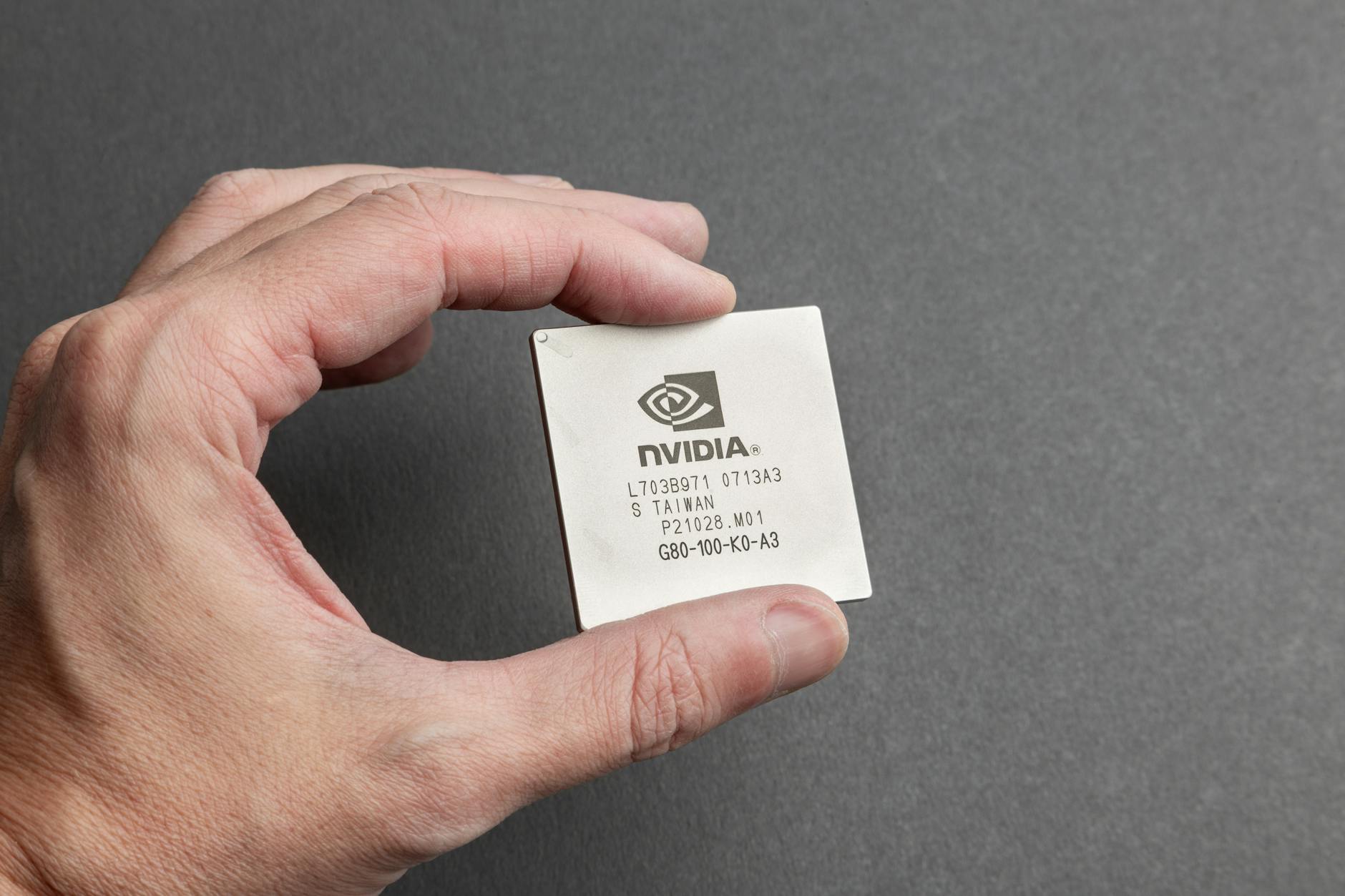
Nvidia Corporation, on the other hand, has cemented its dominance in the graphics processing unit (GPU) market, initially for gaming but now critically for artificial intelligence and high-performance computing. Its CUDA platform and specialized AI accelerators have become the de facto standard for deep learning training and inference, making it indispensable for AI development worldwide. The company's strategic foresight in recognizing and investing heavily in AI years before its widespread adoption has yielded immense market rewards. Nvidia's ecosystem, encompassing hardware, software, and cloud services, creates a powerful network effect that is difficult for competitors to replicate. This deep integration into the AI value chain, from research labs to large-scale data centers, has propelled its market capitalization to unprecedented levels, positioning it as a central figure in the ongoing AI revolution.
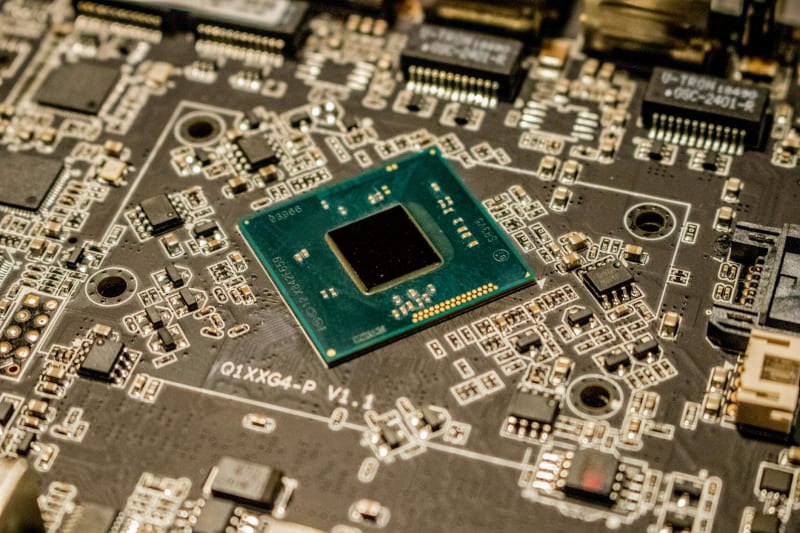
The current semiconductor market is characterized by a confluence of powerful trends: the exponential growth of data, the widespread adoption of cloud computing, the rollout of 5G networks, and the transformative potential of artificial intelligence. These forces collectively drive an insatiable demand for advanced processing, networking, and storage solutions. Companies like Marvell and Nvidia are at the forefront of supplying these critical components. Marvell is leveraging its expertise in data infrastructure to capture opportunities in AI-accelerated networking and custom silicon for data centers, while Nvidia continues to expand its lead in AI compute. The interplay between these companies and the broader market dynamics—including supply chain constraints, geopolitical factors, and evolving technological standards—creates a complex but potentially lucrative environment for investors.
Why It Matters
The 'Strong Buy' rating for Marvell Technology is more than just a positive analyst opinion; it signals a fundamental shift in how the market perceives the company's strategic positioning and growth trajectory. For investors, this recommendation suggests that Marvell is poised to benefit significantly from the ongoing AI boom and the expansion of data center infrastructure. Its specialized solutions, particularly in high-speed networking and custom silicon tailored for AI workloads, are becoming increasingly vital. This upgrade implies that Marvell is not merely a participant but a key enabler of the next wave of technological innovation, potentially leading to substantial revenue growth and market share gains. Ignoring such a strong endorsement could mean missing out on a prime opportunity within a sector that is redefining the global economy.
Nvidia's potential to reach a trillion-dollar valuation is a testament to the profound economic impact of artificial intelligence. It highlights how a single company, through technological leadership and strategic vision, can become a cornerstone of a new industrial revolution. This milestone underscores the immense value being created in the AI ecosystem and the critical role of foundational technologies. For the broader market, it signifies the maturation of AI as a transformative force, driving investment across the entire technology stack. The success of Nvidia validates the massive investments being made in AI research and development, encouraging further innovation and competition, and setting new benchmarks for technological achievement and market dominance.
The semiconductor industry, especially the segment catering to AI and high-performance computing, is a bellwether for technological progress and economic growth. The performance of companies like Marvell and Nvidia provides critical insights into the health of the digital economy. A 'Strong Buy' on Marvell, coupled with Nvidia's trillion-dollar aspirations, indicates robust demand for advanced chips that power everything from AI models to global communication networks. This trend has far-reaching implications, influencing investment decisions, technological roadmaps, and the competitive landscape for years to come. It emphasizes the strategic importance of semiconductors as the fundamental building blocks of modern technology and the digital future.
Ground Reality
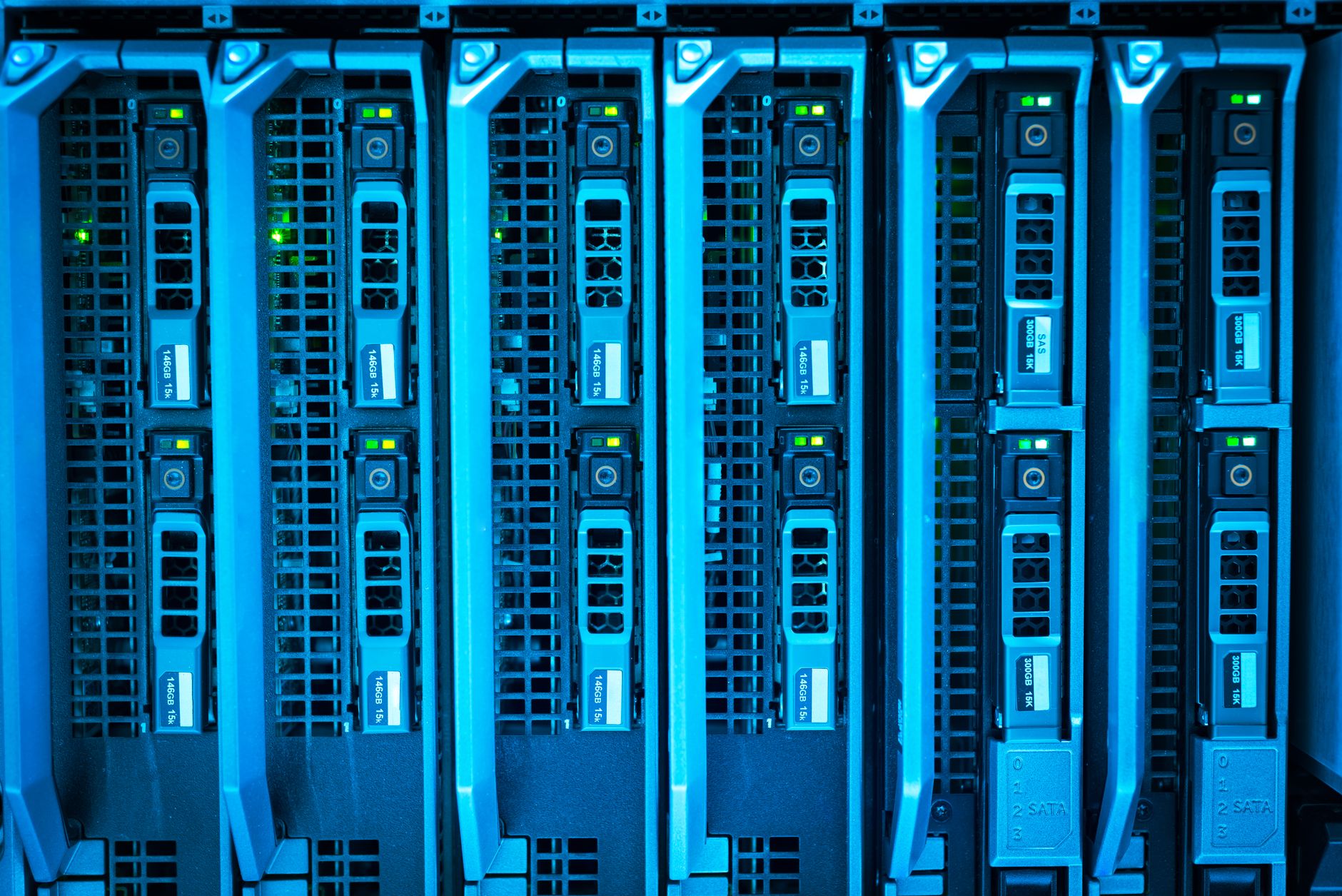
On the ground, the demand for advanced semiconductor solutions is palpable and accelerating across multiple fronts. Data centers, the engines of cloud computing and AI, are undergoing massive upgrades to handle the ever-increasing volume and complexity of data. This involves not only more powerful processing units but also sophisticated networking components that can transfer data at unprecedented speeds. Marvell's focus on Ethernet solutions for data centers and its custom silicon capabilities are directly addressing these critical needs. The company is shipping advanced chips that enable higher bandwidth and lower latency, essential for efficient AI training and inference operations. This real-world deployment in hyperscale cloud environments validates the demand for Marvell's technology and its potential for sustained growth as data infrastructure continues to expand.
Nvidia's GPUs are the workhorses powering the current AI revolution, found in research labs, enterprise data centers, and cloud platforms globally. The sheer scale of AI model training, which requires immense computational power, has made Nvidia's hardware a bottleneck for many organizations. This intense demand has led to supply constraints and soaring prices for their flagship products, yet the adoption continues unabated. The company's ability to consistently deliver cutting-edge performance, coupled with its robust software ecosystem, ensures that its hardware remains the preferred choice for most AI-intensive tasks. The practical reality is that without Nvidia's technology, the current pace of AI advancement would be significantly slower.
The broader semiconductor supply chain is a complex ecosystem involving design, manufacturing, assembly, and testing, often spanning multiple continents. While demand is soaring, challenges remain in scaling production capacity to meet this demand, particularly for leading-edge technologies. Geopolitical tensions, trade policies, and the specialized nature of advanced chip manufacturing add layers of complexity. Companies must navigate these challenges while continuing to innovate and deliver products that meet stringent performance and reliability requirements. The ground reality is that while the potential is immense, the execution requires navigating significant operational and logistical hurdles, impacting delivery times and cost structures for end-users.
What Experts Are Saying
Analysts are expressing strong conviction in Marvell Technology's strategic direction, with many highlighting its pivotal role in the AI infrastructure build-out. The 'Strong Buy' rating reflects confidence in Marvell's ability to capitalize on the burgeoning demand for high-speed networking solutions and custom silicon tailored for data centers. Experts point to the company's deep relationships with major cloud providers and its innovative product pipeline as key differentiators. They emphasize that Marvell is well-positioned to benefit from the secular growth trends in AI, 5G, and cloud computing, suggesting that its current valuation may not fully reflect its long-term potential. This consensus view suggests a significant upside for investors willing to look beyond short-term market fluctuations.
Regarding Nvidia, the consensus among experts is that its dominance in the AI chip market is likely to persist in the near to medium term, making its trillion-dollar market cap target a realistic, albeit ambitious, goal. Analysts frequently cite Nvidia's technological lead, its comprehensive software ecosystem (CUDA), and its strong execution capabilities as key advantages. They acknowledge the intense competition but believe Nvidia's integrated hardware-software approach creates a formidable moat. The company's ability to anticipate market needs and its continuous innovation cycle are seen as critical factors supporting its continued market leadership and financial performance, justifying its premium valuation.
The broader expert sentiment on the semiconductor industry, particularly the AI segment, remains overwhelmingly positive, albeit with a note of caution regarding valuation and potential cyclicality. Experts recognize that the demand for AI-specific hardware is structural, driven by fundamental technological advancements and the increasing integration of AI into various applications. However, they also advise investors to be mindful of the capital-intensive nature of the industry, the rapid pace of innovation that can quickly render older technologies obsolete, and the potential for supply chain disruptions. Diversification within the semiconductor space and a focus on companies with strong technological differentiation and clear market strategies are often recommended.
Frequently Asked Questions
What Happens Next
Following the 'Strong Buy' rating, investors will be closely watching Marvell Technology's upcoming earnings reports and product announcements for validation of the optimistic outlook. The company's ability to secure new design wins in data centers and expand its market share in AI-related networking will be critical indicators of its progress. Analysts will likely scrutinize Marvell's execution on its strategic roadmap, particularly its efforts in custom silicon development and its penetration into next-generation communication infrastructure. Any positive developments in these areas could further bolster investor confidence and potentially lead to upward revisions in price targets, reinforcing the 'Strong Buy' sentiment and driving stock performance.
For Nvidia, the focus will remain on its ability to sustain its leadership in AI compute and navigate the increasing competitive pressures. Investors will be looking for continued strong revenue growth, driven by demand for its data center GPUs and AI platforms. Key developments to monitor include the company's progress in expanding its manufacturing capacity, the introduction of next-generation AI accelerators, and its success in broadening its software ecosystem's reach. Nvidia's strategic moves to address potential market saturation in certain areas and its expansion into new AI applications will be crucial for maintaining its growth trajectory and solidifying its path toward a trillion-dollar valuation.
The broader semiconductor industry will continue to be shaped by the relentless demand for AI capabilities and the ongoing digital transformation. We can expect further consolidation, strategic partnerships, and significant investments in research and development as companies vie for dominance. Supply chain resilience and geopolitical considerations will remain paramount. Investors should anticipate continued volatility in the sector, but the long-term trend towards increased semiconductor content in virtually every aspect of technology and daily life suggests a favorable environment for well-positioned companies. The race to innovate and scale production will define the winners and losers in this dynamic and strategically vital industry.













Comments
No comments yet. Be the first to comment!