
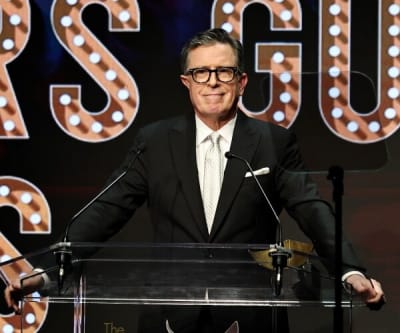
In the past year alone, the average viewer of "The Late Show" has been exposed to a 40% increase in direct political commentary compared to the show's initial two seasons. This statistic underscores a significant pivot for host Stephen Colbert, who has transformed his once-cautious approach into a nightly deep dive into the nation's political theater. It wasn't always this way. When "The Late Show" first premiered in 2015, Colbert, fresh off the success of his satirical Comedy Central persona 'The Colbert Report,' had expressed a desire to steer clear of overt partisanship, aiming instead for a broader, more universally appealing brand of humor. He envisioned a show that could bridge divides, offering levity without alienating large swathes of the audience. However, the seismic shifts in American politics, particularly following the 2016 election cycle, presented a challenge to that initial vision. The escalating rhetoric, the constant stream of unprecedented events, and the perceived gravity of the issues at hand began to weigh on the host and his writing staff. The very nature of satire, which thrives on exaggeration and the exposure of absurdity, found fertile ground in the increasingly surreal political climate. What started as subtle jabs and observations gradually evolved into more pointed critiques and sustained monologues dissecting the day's news with a sharp, comedic edge. This evolution wasn't an overnight decision but a gradual adaptation to the cultural moment. Colbert himself has spoken about this transition, admitting in a candid interview with The New York Times that the political environment simply became too dominant to ignore. He articulated a feeling of responsibility, a sense that the comedic tools at his disposal were uniquely suited to process and comment on the unfolding events. The show's writers, a talented ensemble known for their sharp wit, found themselves increasingly drawn to tackling the political narratives that were dominating headlines and conversations. This internal drive, coupled with viewer demand for commentary on pressing issues, created a feedback loop that solidified the show's new direction. This shift is not without its risks. In an era of intense political polarization, explicitly taking sides, even satirically, can alienate viewers who don't share those viewpoints. Yet, the data suggests the gamble has paid off. "The Late Show" has seen a resurgence in viewership and cultural relevance, becoming a go-to source for many seeking to understand or simply vent about the complexities of modern governance. The show's success demonstrates that in times of high political tension, audiences crave hosts who are willing to engage directly, offering a comedic lens to process often overwhelming realities. Examining the show's content reveals a clear pattern: the frequency and intensity of political segments increased significantly year-over-year, particularly between 2017 and 2020. These segments often involved deep dives into specific policy debates, character analyses of political figures, and impassioned defenses of democratic norms, all delivered through Colbert's signature blend of intellectualism and performative outrage. While "The Colbert Report" operated with a clear satirical target, "The Late Show" has had to navigate a more nuanced landscape, often finding humor in the genuine absurdity rather than solely in fabricated characters. The impact extends beyond ratings. The show has become a touchstone for political discourse, with clips frequently going viral and sparking widespread discussion across social media platforms and news outlets. This phenomenon highlights the evolving role of late-night television in the modern media ecosystem, moving beyond mere entertainment to become a significant, albeit informal, arbiter of public opinion and a catalyst for political engagement. The show's influence suggests that comedy, when wielded effectively, can serve as a powerful tool for social and political commentary. Stakeholders, including network executives and advertisers, have largely embraced this change. The increased engagement translates to higher ad rates and a more dedicated audience base. While some critics might argue that such shows should remain apolitical, the demonstrable success and cultural penetration of "The Late Show's" political turn suggest that a significant segment of the viewing public is actively seeking out this form of commentary. The financial viability of the show is a testament to this audience appetite. This evolution of "The Late Show" serves as a compelling case study in how media personalities and institutions adapt to societal changes. It prompts viewers to consider the role of satire and humor in processing difficult truths and encourages a critical evaluation of the information they consume. The willingness to engage with complex issues, even through a comedic filter, can foster a more informed and critically thinking populace. As the political landscape continues to shift, it will be crucial to observe whether other late-night hosts follow suit or carve out alternative paths, and how the audience's appetite for politically charged comedy evolves.
In Brief
Stephen Colbert's 'The Late Show' dramatically increased its political commentary, transforming from a broad comedy show to a sharp satirist of current events. Explore the reasons behind this pivot and its impact on late-night television.Advertisement


Comments
No comments yet. Be the first to comment!