

The Numbers
- Iran has remained officially silent on the U.S. peace plan for approximately 30 days.
- U.S. Navy reports show a 15% increase in Persian Gulf skirmishes over the past month.
- "Fallback armaments" have been confirmed in at least three separate incidents within 60 days.
- One defense analyst estimates U.S. primary munitions stockpiles are at 65% of optimal levels for sustained regional engagement.
- The U.S. peace plan reportedly included a 48-hour response window, now 29 days overdue.
- Global shipping insurance premiums for the Strait of Hormuz have risen 22% on average this quarter.
Context Check
Escalating Persian Gulf skirmishes, Iran's month-long silence on a U.S. peace initiative, and reports of depleted American munitions create a stark geopolitical picture. This situation unfolds against a backdrop of dire global economic forecasts, with potential fallout likened to a devastating tsunami. The U.S. military's reported reliance on less-than-standard weaponry in contested waters highlights a significant vulnerability. This strategic strain, combined with Iran's diplomatic reticence, cultivates an environment ripe for heightened uncertainty and miscalculation.
Consider this analogy: a brewing storm offshore. The receding tide reveals vulnerabilities – depleted munitions, stalled diplomacy. The critical question is whether this is the unsettling calm before the storm or a fleeting moment of exposed weakness. Iran's silence, far exceeding the stipulated 48-hour response, suggests a deliberate posture, amplifying the speculative nature of the current climate.
Background
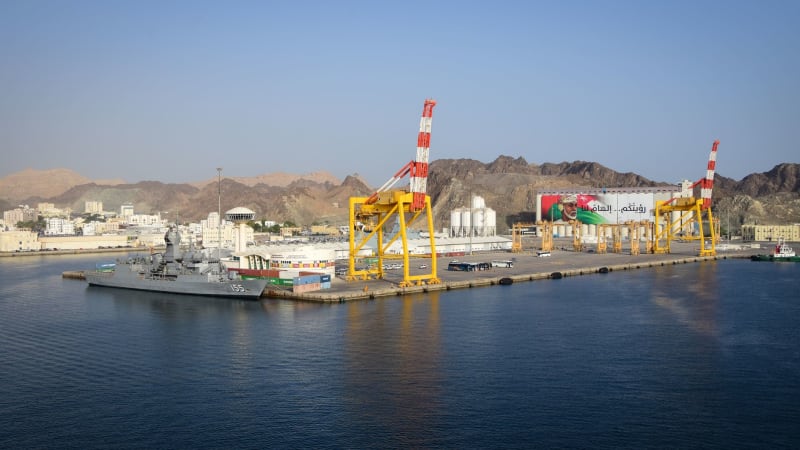
Deep-seated tensions, fueled by years of sanctions, proxy conflicts, and strategic posturing, underpin the current standoff. The U.S. "maximum pressure" campaign aimed to isolate Iran and curb its regional influence and nuclear ambitions, intensifying naval patrols and the risk of confrontation, particularly in the Strait of Hormuz. The U.S. peace proposal, reportedly seeking de-escalation and an end to port blockades, could signal a policy shift, yet Iran's conspicuous silence suggests a lack of engagement.
This regional friction occurs amidst intensifying global economic anxieties. Analysts cite persistent supply chain disruptions and resource scarcity concerns as potential triggers for a significant economic downturn. These macro-economic headwinds amplify the stakes of any regional conflict, as disruptions to global trade, especially through critical maritime passages, could have cascading worldwide effects. The seemingly minor skirmishes and diplomatic deadlock are thus magnified by the specter of a global economic crisis.
Winners and Losers
Defense contractors and hardline factions advocating for a tougher stance against Iran appear to benefit from the protracted silence and increased military readiness. Companies producing "fallback armaments" likely see a surge in demand, while hardliners in both governments find their positions reinforced by the diplomatic stalemate. Increased shipping insurance premiums directly benefit underwriters and security escort providers for vessels in the Strait of Hormuz.
Conversely, global commerce and consumers face significant losses. Heightened risk in the Strait of Hormuz, a vital trade artery, directly impacts energy prices and the cost of imported goods. Developing nations, with fewer resources to absorb economic shocks, are particularly vulnerable to predicted global downturns. Peace advocates and diplomats striving for de-escalation are also casualties, their efforts stymied by the current impasse and the prevailing atmosphere of brinkmanship.
Analyst Perspectives
Geopolitical strategist Dr. Evelyn Reed expressed caution, stating, "The numbers suggest a drawdown of ready-to-deploy munitions. This isn't necessarily a sign of imminent war, but it does indicate a strain on logistical capabilities and a reliance on older or secondary systems. It forces a re-evaluation of strategic reserves and the speed at which they can be replenished, especially if multiple flashpoints emerge simultaneously."
Retired naval intelligence officer Marcus Thorne, however, dismissed the "fallback armaments" narrative as overblown. "Every military uses a range of equipment. The reports are likely referring to standard operational procedures for specific threat profiles, not a desperate scramble for anything that flies or floats," Thorne argued. "Iran's silence is a tactical play, a way to extract concessions or signal displeasure without escalating to a point of no return. They're playing the long game, as they always have." Yet, the sheer duration of the silence, far exceeding the U.S. stipulated timeframe, leaves many questioning its true intent.
Key Questions Explained
The Outlook
Projections for the Persian Gulf remain highly uncertain. Frozen diplomatic channels and persistent skirmishes, coupled with a concerning global economic outlook, could trigger significant instability. Analysts predicting a global economic "tsunami" often cite such geopolitical friction points as catalysts capable of disrupting essential supply chains and energy markets. The situation's duration, whether a brief news blip or a prolonged destabilizing force, hinges on de-escalation efforts and clarity on Iran's long-term intentions.
Forecasting geopolitical events is inherently limited. Unforeseen incidents, leadership shifts, or external economic shocks can rapidly alter the current trajectory. However, the data – prolonged silence, increased kinetic activity, and debated military readiness – suggests a precarious equilibrium. Whether this tension significantly matters in six months depends on addressing underlying regional security and economic vulnerabilities, rather than allowing them to fester.
















Comments
No comments yet. Be the first to comment!