
The Story in Brief
- The live capture of 'Hadestown: The Musical' has achieved an unprecedented milestone, securing the highest-grossing opening weekend for any live theater capture in history, demonstrating a monumental shift in audience engagement.
- This groundbreaking success significantly surpasses the previous record held by 'Hamilton: An American Musical,' which set a high bar for filmed stage productions upon its release.
- The theatrical release of 'Hadestown' was strategically limited, playing in select cinemas for only four days, yet it managed to generate an astounding $3.2 million, highlighting immense demand.
- The film's distribution strategy, orchestrated by Trafalgar Releasing, proved exceptionally effective, leveraging a passionate fanbase and widespread critical acclaim to drive impressive turnout.
- This record-breaking performance underscores the burgeoning potential of bringing Broadway and West End productions to a global cinematic audience, expanding accessibility beyond traditional theater walls.
- The achievement not only celebrates 'Hadestown's' artistic merit but also signals a robust and evolving market for high-quality filmed theatrical content, promising new revenue streams for the performing arts.
The Human Face
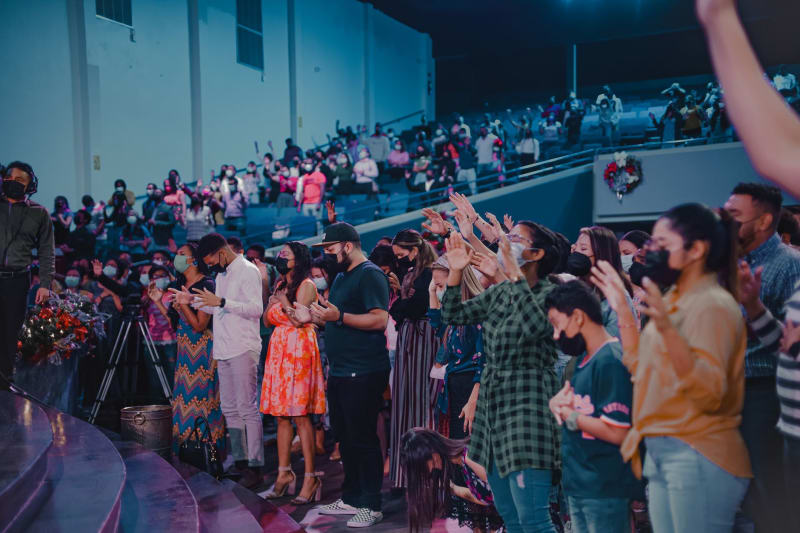
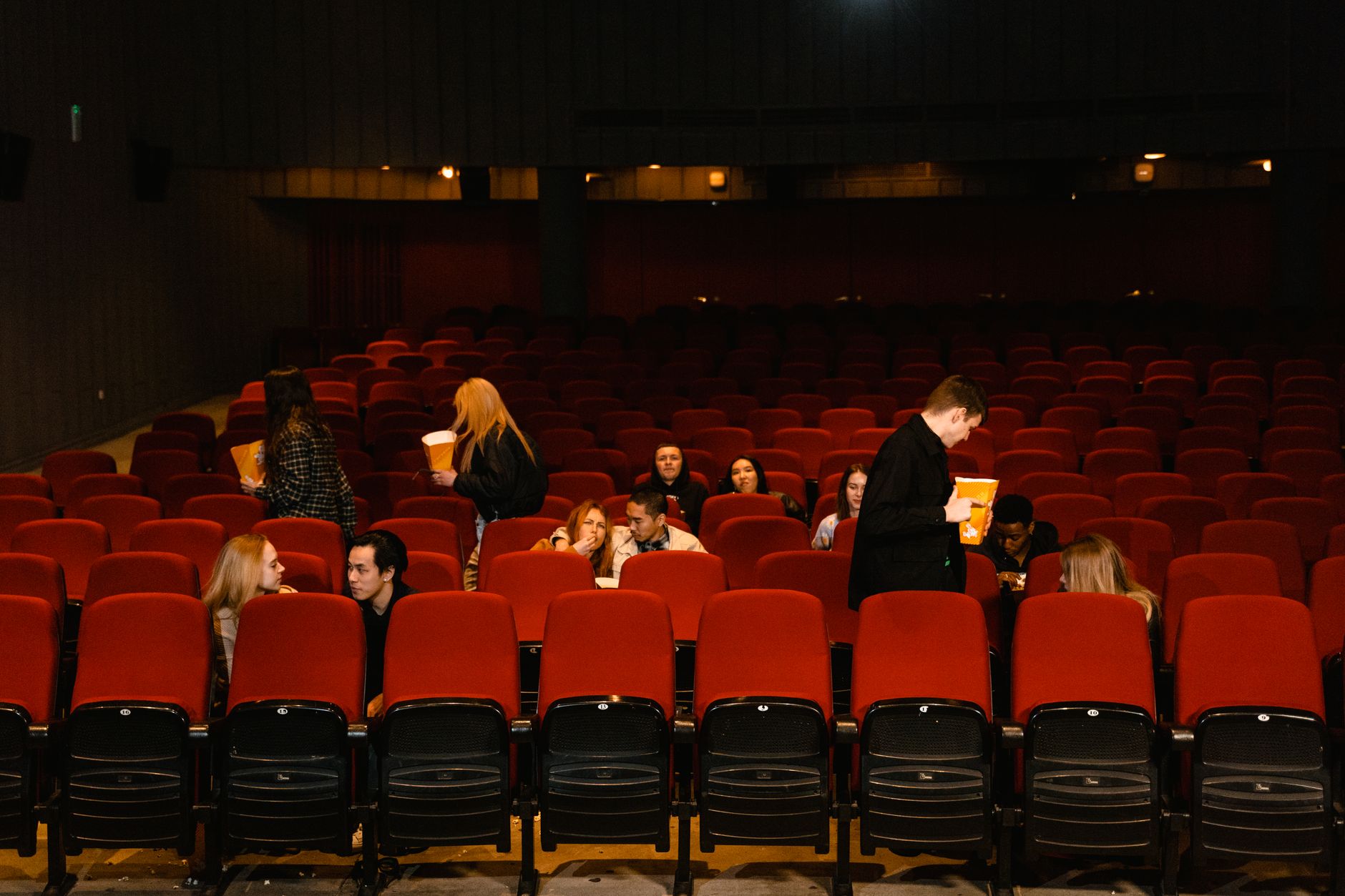
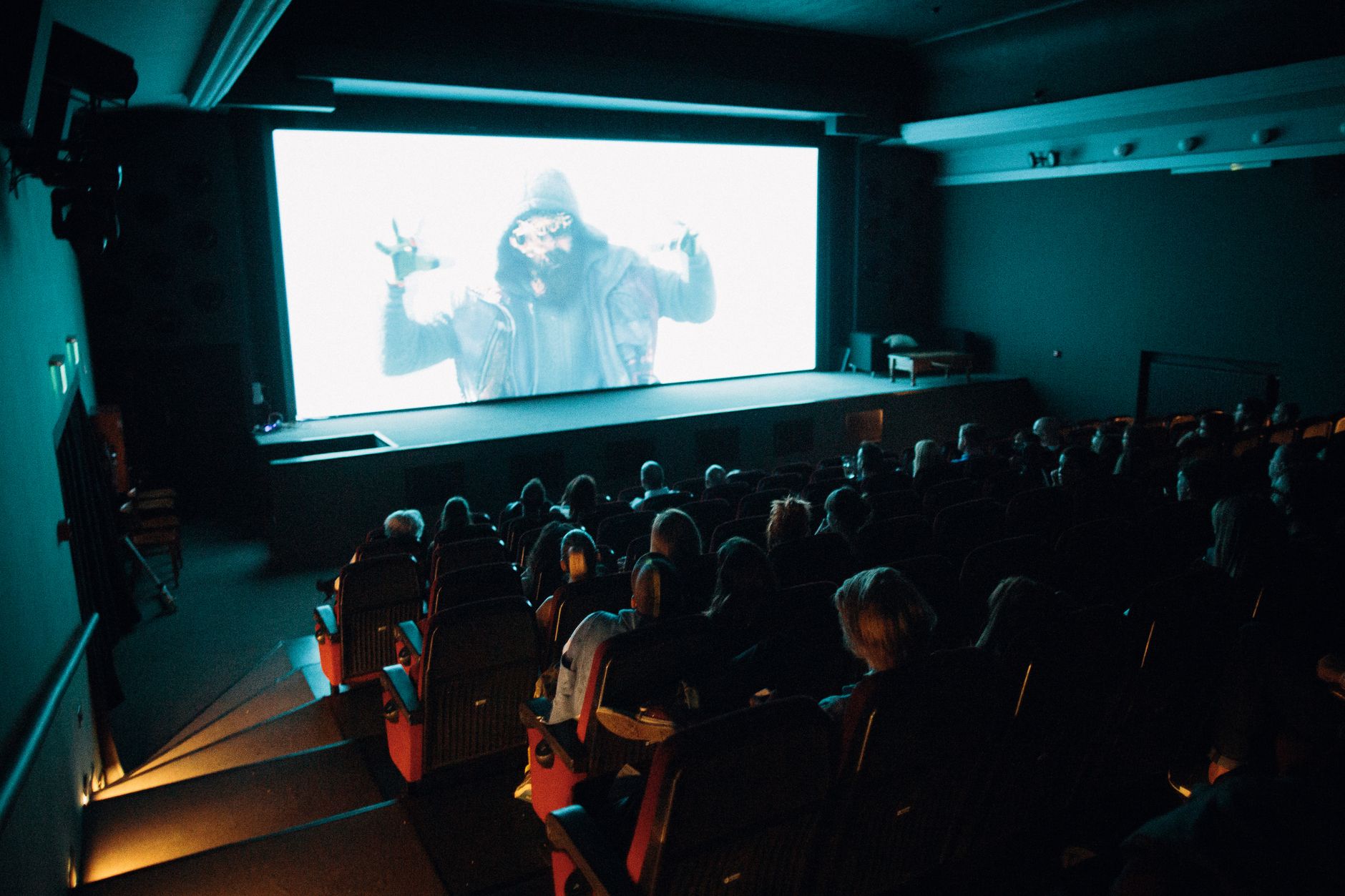
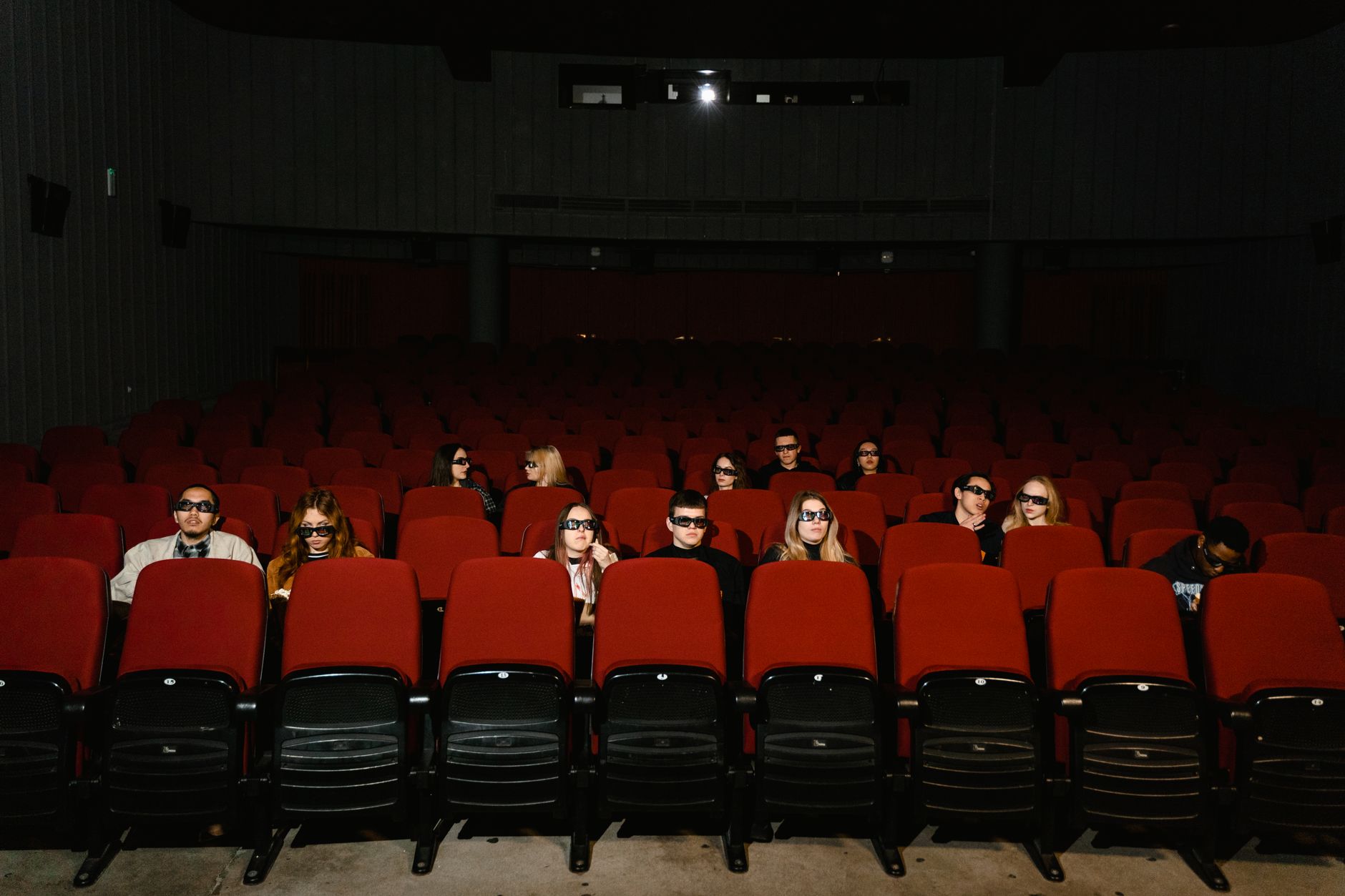
For countless theater enthusiasts, the opportunity to experience 'Hadestown: The Musical' on the big screen was more than just a movie; it was a deeply personal and often emotional event. Many who live far from major theatrical hubs, or who face financial and accessibility barriers to live performances, finally had the chance to witness this acclaimed production. The shared experience in a cinema, surrounded by fellow fans, created a unique communal atmosphere, bridging the gap between a live Broadway house and a local movie theater. This accessibility fosters a deeper connection to the arts for individuals who might otherwise be excluded, making the magic of live theater tangible and immediate.
The cast and creative team, including the visionary Anaïs Mitchell and director Rachel Chavkin, have expressed profound gratitude and surprise at the overwhelming response. Their dedication to capturing the raw energy and intimate storytelling of 'Hadestown' for the screen has resonated deeply with audiences. This success validates years of hard work and artistic commitment, proving that the emotional core of their production translates powerfully across different mediums. For the artists, it’s a testament to the universal appeal of their narrative and the enduring power of their music, reaching far beyond the confines of a single stage.
Beyond the financial figures, the human impact of this release is evident in the countless social media posts, fan art, and discussions that have erupted online. People are sharing stories of how the film moved them, how it introduced them to a new favorite musical, or how it allowed them to revisit a beloved show from a fresh perspective. This collective outpouring of emotion highlights the vital role that art plays in our lives, fostering connection, empathy, and shared cultural experiences. The 'Hadestown' capture has not just broken records; it has touched hearts and built communities, proving the enduring power of storytelling.
How We Got Here
The journey to this record-breaking success for 'Hadestown' began long before its Broadway debut. Anaïs Mitchell's folk opera concept album, released in 2010, cultivated a dedicated following, laying the groundwork for its eventual stage adaptation. This grassroots support, combined with critical acclaim for its off-Broadway and London runs, built significant anticipation. By the time 'Hadestown' premiered on Broadway in 2019, it arrived with a pre-existing, passionate fanbase eager to see its unique blend of Greek mythology and American folk music brought to life. This organic growth and artistic evolution were crucial in establishing its cultural footprint.
The decision to film 'Hadestown' was a strategic move, recognizing the growing demand for high-quality theatrical captures, a trend significantly amplified by the success of 'Hamilton' on Disney+. The production team meticulously planned the filming process, ensuring that the essence of the live performance was preserved while optimizing it for the cinematic experience. This involved careful camera work, sound engineering, and editing to translate the immersive nature of the stage to the screen without losing its theatricality. The goal was not merely to document the show but to create a new, compelling artistic product that could stand on its own.
Trafalgar Releasing, known for its expertise in distributing event cinema content, played a pivotal role in the 'Hadestown' capture's triumph. Their targeted, limited-run strategy created an urgent, must-see event, driving audiences to theaters during its brief four-day window. This approach capitalized on the existing buzz and generated significant word-of-mouth, transforming a niche theatrical release into a mainstream cinematic phenomenon. The success of this distribution model demonstrates a sophisticated understanding of the market for filmed stage productions, effectively leveraging both the artistic integrity of the show and the commercial potential of event cinema.
Why This Cannot Be Ignored
The unprecedented box office success of 'Hadestown: The Musical' as a live theater capture is a seismic event that cannot be ignored by anyone invested in the future of the performing arts. It unequivocally demonstrates a massive, untapped global audience eager to consume high-quality theatrical content beyond traditional live venues. This isn't just a one-off hit; it's a clear signal that filmed stage productions are a viable, lucrative, and essential avenue for expanding reach and revenue. Ignoring this trend would mean missing out on significant opportunities for growth, accessibility, and cultural impact in an increasingly digital world.
This achievement fundamentally challenges long-held assumptions within the theater industry regarding the perceived cannibalization of live audiences by filmed versions. Instead, 'Hadestown' suggests a symbiotic relationship, where cinematic releases can act as powerful marketing tools, introducing new audiences to shows and potentially driving them to seek out live experiences when possible. This paradigm shift demands a re-evaluation of business models, intellectual property strategies, and audience engagement tactics. The industry must now actively explore how to leverage these captures to cultivate new fans and sustain the arts in an evolving entertainment landscape.
Furthermore, the success of 'Hadestown' highlights the critical importance of accessibility in the arts. For countless individuals who cannot afford Broadway ticket prices, travel to major cities, or have physical limitations, these cinematic releases offer an invaluable gateway to world-class theater. This democratizes access to culture, fostering a more inclusive and diverse audience base. Policy makers, arts organizations, and philanthropists must recognize the profound social and cultural benefits of these initiatives and consider how to support and expand them, ensuring that the transformative power of theater is available to everyone, everywhere.
Possible Paths Forward
One clear path forward for the theater industry is to strategically invest in more high-quality live captures of successful productions. This doesn't mean filming every show, but rather identifying those with strong artistic merit and broad appeal that can translate effectively to the screen. By collaborating with experienced cinematic distributors like Trafalgar Releasing, productions can ensure their captures reach the widest possible audience through event cinema releases, followed by streaming platforms. This multi-platform approach maximizes revenue potential and extends the life and legacy of a show far beyond its stage run, creating new revenue streams for producers and artists.
Another crucial direction involves innovating the cinematic presentation itself. While 'Hadestown' excelled, there's room to experiment with interactive elements, behind-the-scenes content, or even augmented reality experiences that blend the live capture with digital enhancements. Imagine pre-show interviews with the cast or post-show Q&As streamed live to cinemas, deepening audience engagement. The goal should be to create a distinct cinematic event that offers something unique, rather than simply being a static recording of a stage performance. This innovation can attract an even broader demographic, including younger audiences accustomed to dynamic digital content.
Finally, the industry must explore new models for intellectual property and revenue sharing that fairly compensate all stakeholders involved, from playwrights and composers to performers and technical crews. As these captures become more prevalent and profitable, equitable distribution of earnings will be paramount to fostering continued artistic innovation and collaboration. This includes establishing clear contractual agreements for cinematic and streaming rights that reflect the significant value these captures generate. By creating a sustainable and fair ecosystem, the performing arts can fully embrace this exciting new chapter, ensuring its long-term vitality and relevance.
Questions People Are Actually Asking
What to Watch
- Monitor future announcements from Trafalgar Releasing and other event cinema distributors for upcoming live theater captures, as the success of 'Hadestown' will likely spur more projects and innovative release strategies.
- Observe how Broadway and West End producers adapt their strategies for intellectual property and digital rights, potentially leading to more deliberate planning for cinematic and streaming releases from the outset of a show's development.
- Pay close attention to the long-term streaming performance of 'Hadestown' once it transitions to digital platforms, as this will provide further insights into the sustained demand and profitability of filmed stage productions.
- Look for shifts in audience demographics for both live theater and cinematic captures, as increased accessibility through film might introduce new and more diverse audiences to the performing arts.
- Track discussions within the theater community regarding the balance between preserving the unique magic of live performance and leveraging the vast reach of cinematic and streaming platforms, as this debate will continue to evolve.
- Watch for potential technological advancements in live capture, such as enhanced virtual reality or interactive elements, which could further blur the lines between live and filmed theatrical experiences and create new forms of engagement.










Comments
No comments yet. Be the first to comment!