
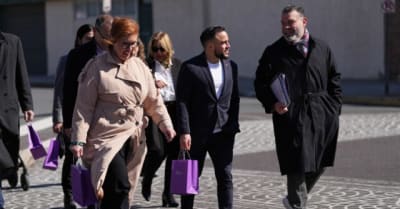
Across the nation, a quiet revolution is unfolding in local government chambers and on campaign trails. From the barrios of Southern California to the Rust Belt towns of Pennsylvania, an unprecedented wave of Latino leaders is stepping into elected office, many for the first time. These newly minted officials are not just filling seats; they are bringing fresh perspectives and a deep understanding of communities that have often been overlooked or maligned, driven by a potent mix of long-term community organizing and a galvanized response to political rhetoric that has, for years, targeted their heritage. Their ascendance signifies a profound shift in the American political landscape, one where representation is increasingly shaped by the demographic realities of a diverse nation. The roots of this movement run deep, extending far beyond the immediate political cycles. For decades, community advocates and organizers have painstakingly built networks, registered voters, and nurtured local talent. This sustained effort, often operating below the national radar, has created a fertile ground for Latino candidates to emerge. Figures like Maria Rodriguez, a newly elected city council member in a rapidly diversifying suburb of Chicago, credit these foundational efforts. “We wouldn’t be here without the tireless work of people who knocked on doors for years, believing that our voices mattered, even when it felt like no one was listening,” she explained in a recent interview, highlighting the generational commitment to civic engagement. However, the current surge is undeniably amplified by a palpable sense of urgency, a reaction to what many describe as sustained political attacks and dehumanizing rhetoric directed at Latino and immigrant communities. The Trump administration's hard-line immigration policies, coupled with public statements and online content that perpetuated harmful stereotypes, created a climate of fear and alienation for millions. This era of intensified scrutiny and perceived hostility has, paradoxically, galvanized many within these communities, prompting a greater desire to seek office not just for personal ambition, but as a protective measure for their families and neighbors. Data from the National Association of Latino Elected and Appointed Officials (NALEO) paints a clear picture of this demographic shift. The organization estimates that there are now approximately 7,700 Latino elected officials nationwide. This figure represents a significant increase from the 6,883 recorded in 2020, indicating a steady and accelerating upward trend. While Latinos constitute roughly 16% of the U.S. population, their representation in elected office has historically lagged, a disparity that these new numbers begin to address, albeit slowly. This underrepresentation has meant that the specific needs and concerns of a vast and varied demographic have often been absent from policy discussions. The impact of this growing representation is already being felt at the local level. In cities and towns across the country, newly elected Latino officials are championing policies aimed at bolstering immigrant rights, improving educational access, and addressing economic disparities. Councilwoman Rodriguez, for instance, has been instrumental in advocating for increased funding for bilingual education programs and pushing for clearer pathways to city services for non-English speakers. These are not abstract policy debates; they are direct responses to the lived experiences of her constituents, translating communal needs into tangible legislative action. Political scientists observe a complex interplay of factors driving this phenomenon. Dr. Elena Vargas, a professor of political science at Georgetown University, points to the dual forces of demographic growth and political mobilization. "We're seeing a maturation of the Latino electorate, combined with a reaction to political polarization," Dr. Vargas stated. "When communities feel targeted, they often respond by seeking to control their own narratives and influence policy directly through elected office. It’s a powerful form of civic self-defense and empowerment." This rise in Latino leadership is not without its challenges. Many newly elected officials face the daunting task of overcoming systemic barriers, including limited campaign resources and the need to build broad coalitions in diverse districts. Furthermore, the very rhetoric that spurred their candidacies can create a hostile environment once they are in office. Navigating these complexities requires not only political acumen but also a deep well of resilience and a strong connection to the communities they serve, ensuring that their presence in office translates into meaningful progress. The implications of this demographic shift extend far beyond partisan politics. It signals a recalibrating of American democracy, where the voices and experiences of a growing segment of the population are becoming more prominent in shaping the nation's future. As more Latino leaders ascend to positions of influence, their policy priorities – from immigration reform and economic development to education and healthcare – are likely to gain greater traction, influencing the broader national discourse and potentially reshaping policy outcomes for years to come. The coming election cycles will be crucial in determining whether this momentum can be sustained and expanded into higher levels of government. Looking ahead, the key will be to monitor the impact these new representatives have on policy and governance at the local and state levels. Their success in addressing community needs, building bridges across diverse groups, and fostering greater civic participation will be critical indicators of the long-term sustainability of this trend. Observers will also watch for how established political parties adapt to this growing bloc of representatives and how national political discourse evolves in response to this increasingly visible and influential segment of the American electorate.
In Brief
An increasing number of Latino leaders are winning local elections, fueled by years of grassroots organizing and a reaction to targeted political rhetoric. This surge is reshaping local governance and demanding new policy priorities.Advertisement



Comments
No comments yet. Be the first to comment!