
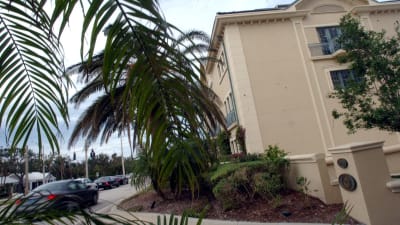
The tragic loss of life at a notoriously dangerous intersection along Florida's State Road A1A in Vero Beach serves as a stark reminder of long-standing infrastructure challenges. For years, residents and local authorities have voiced concerns about the safety of this particular stretch, a vital artery connecting coastal communities. The recent fatality, a devastating event that has sent shockwaves through the local populace, is not an isolated incident but rather the latest in a series of accidents that have plagued the area, fueling a growing sense of unease among those who navigate its unpredictable turns and busy crossings. This intersection, often cited in community meetings and traffic studies, has become a symbol for broader issues concerning the state's commitment to maintaining its aging road networks. Historically, State Road A1A has been a picturesque and essential route, lauded for its scenic beauty and its role in facilitating tourism and local commerce. However, its charm has often masked a growing list of safety deficiencies. Over the decades, as traffic volume has increased exponentially with Florida's burgeoning population, the road’s original design has struggled to keep pace. This particular junction in Vero Beach, characterized by its complex merging lanes and limited visibility in certain conditions, has been a persistent problem. Local law enforcement reports indicate a disproportionate number of collisions occurring here compared to other sections of the highway, a statistic that has been a consistent point of contention between concerned citizens and state transportation officials who have grappled with budgetary constraints and competing priorities for road improvements. Examining the data reveals a troubling pattern. According to records from the Florida Highway Patrol, the intersection in question has been the site of over 50 reported accidents in the past five years alone, with at least a dozen resulting in serious injuries. While definitive statistics on the most recent fatal crash are still being compiled, early reports suggest that speed and driver inattention may have been contributing factors, exacerbated by the intersection's inherent design flaws. Critics point to a lack of adequate signage, insufficient lighting during nighttime hours, and the absence of modern safety features like dedicated turn lanes or advanced warning systems as critical oversights that contribute to the danger. The economic impact of such accidents, while difficult to quantify precisely, includes emergency response costs, medical expenses, and lost productivity, placing an additional strain on public resources. Local residents, many of whom have lived in the Vero Beach area for decades, have repeatedly petitioned the Department of Transportation for upgrades. Maria Sanchez, a lifelong resident and community activist, shared her frustration, stating, "We've been telling them for years that this road is a death trap. We send letters, we go to meetings, but it feels like our pleas fall on deaf ears. Another life lost is just unacceptable." On the other side of the political spectrum, state officials often cite the immense scale of Florida's infrastructure needs and the complex process of prioritizing road projects. A spokesperson for the Florida Department of Transportation, speaking anonymously due to ongoing investigations, acknowledged the concerns but highlighted the significant lead times and funding cycles required for major safety overhauls, suggesting that immediate, substantial changes are not easily implemented. Beyond the immediate tragedy and infrastructure concerns, the incident has also coincided with a broader, simmering discontent with the established political landscape in Florida. The state, like many across the nation, has seen a growing segment of the electorate express disillusionment with the two-party system, which many perceive as increasingly polarized and unresponsive to the needs of everyday citizens. This sentiment has given rise to discussions about the viability of third-party movements, with some observers suggesting that frustration with the status quo, amplified by events like the A1A safety crisis, could create fertile ground for alternative political forces to gain traction. The idea is that when major parties appear ineffective in addressing fundamental issues, such as public safety on critical roadways, voters may begin looking elsewhere for representation and solutions. What often gets overlooked in the clamor following such a tragic event is the intricate web of bureaucracy and funding challenges that hamper swift infrastructure improvements. While the immediate reaction is to demand accountability and rapid fixes, the reality of transportation project implementation involves extensive planning, environmental reviews, land acquisition, and, most importantly, securing substantial funding. These processes can take years, even for projects deemed critical. Furthermore, the political will to allocate significant resources to a single intersection, however dangerous, must contend with the needs of thousands of miles of roadways across a rapidly growing state, forcing difficult trade-offs and prioritization decisions that inevitably leave some communities feeling neglected. This intersection's notoriety is not unique in Florida. Numerous other stretches of highway across the state suffer from similar design flaws and have been the subject of ongoing safety campaigns by local groups. The Vero Beach incident, therefore, acts as a potent case study, illustrating a systemic issue that transcends geographical boundaries. It underscores the perpetual tension between economic development and infrastructure investment, and the challenge of ensuring that public safety keeps pace with population growth. The cycle of accidents, followed by calls for action, and then slow bureaucratic responses, is a pattern that many Floridians have unfortunately become accustomed to, leading to a deepening sense of frustration and distrust in the system's ability to protect its citizens effectively. Looking ahead, the focus will undoubtedly remain on the immediate safety measures that can be implemented at the Vero Beach intersection while the larger discussion about long-term solutions unfolds. Whether this tragedy will catalyze significant policy changes, prompt increased state investment in road safety, or serve as a rallying point for those seeking political alternatives, remains to be seen. The coming months will be crucial in determining if the momentum generated by public outcry will translate into tangible improvements, or if this painful event will eventually fade into the long list of unresolved safety concerns plaguing Florida's vital transportation network.
In Brief
A fatal crash on Florida's State Road A1A highlights long-standing safety issues and infrastructure neglect, sparking renewed calls for action and fueling broader political discontent.Advertisement



Comments
No comments yet. Be the first to comment!