

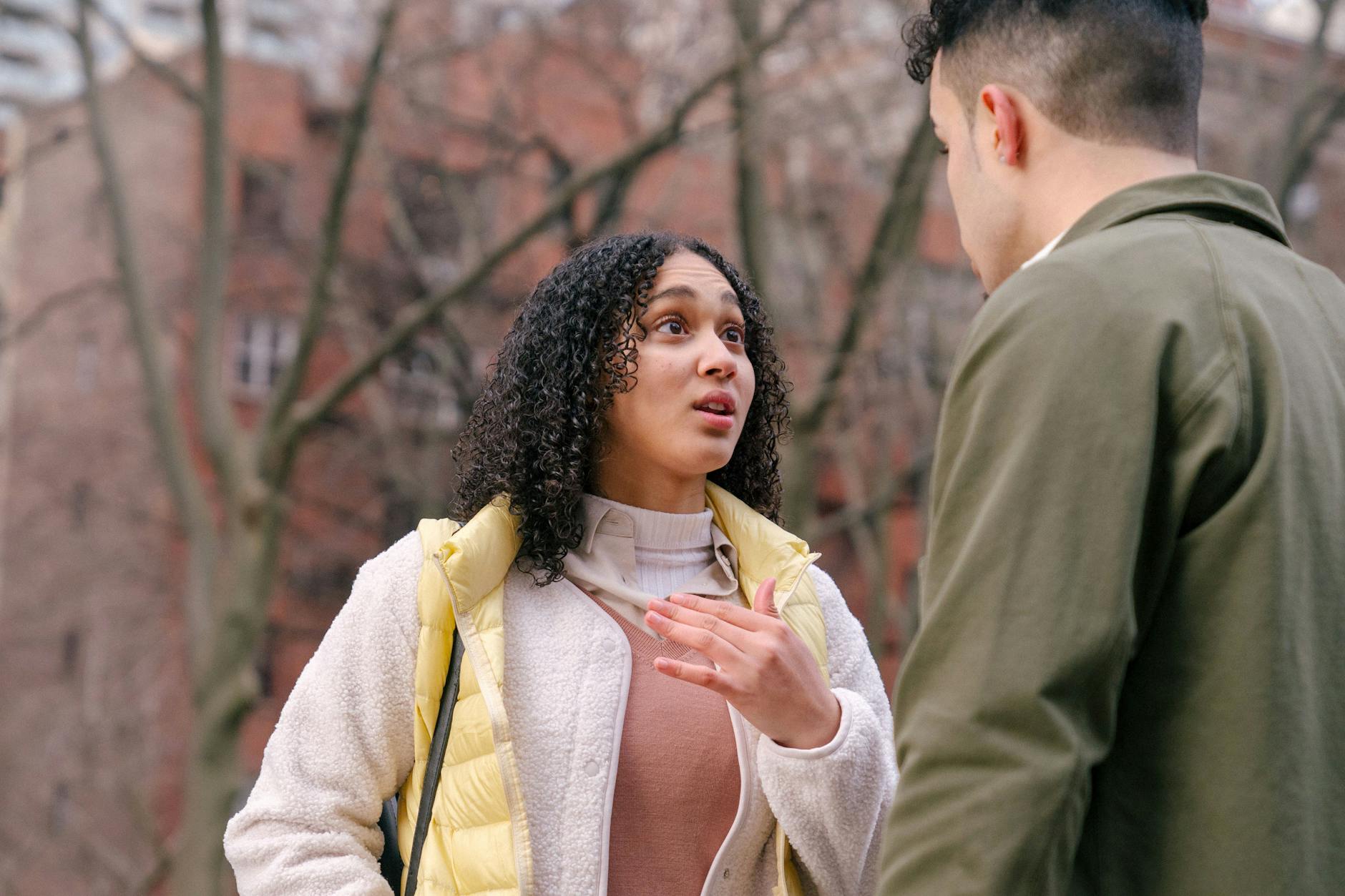
"It's a marathon, not a sprint, and most people understand that," says Eleanor Vance, a veteran poll worker in suburban Ohio who has staffed local elections for over two decades. Her sentiment echoes across precinct tables nationwide, where the quiet dedication of poll workers often forms the bedrock of democratic processes, even when faced with a small but vocal segment of the electorate pushing against established procedures. These individuals, volunteering their time and energy, witness firsthand the intricate dance between civic engagement and the occasional friction generated by differing interpretations of election law. The recent primary elections, while largely smooth, highlighted a persistent undercurrent of tension. A small fraction of voters, perhaps influenced by a broader climate of electoral skepticism, exhibited a pronounced resistance to standard voting protocols. This manifested in various ways, from questioning the validity of identification requirements to expressing confusion or outright disagreement with ballot access rules. For Vance and her colleagues, these moments require patience, clear communication, and a firm adherence to the legal frameworks governing the election, often navigating these encounters with a blend of empathy and procedural rigor. Examining the data from the most recent primaries reveals that while the vast majority of voters proceeded through the polling stations without incident, a statistically significant minority did encounter challenges. Reports from election boards across several swing states indicate a slight uptick in voter disputes compared to previous cycles, though the overall number of spoiled ballots or invalid votes remained exceptionally low. For instance, in Michigan, county election officials reported a 7% increase in voter assistance requests related to understanding ballot instructions, a figure that, while small in percentage, represents thousands of individual interactions requiring dedicated staff time and resources. This dynamic is not entirely new; historical parallels can be drawn to periods in American history where shifts in electoral participation or challenges to established norms led to similar localized friction. The late 19th and early 20th centuries, for example, saw significant debates around voter registration, literacy tests, and poll taxes, all aimed at either expanding or restricting access to the ballot box. While the current context is vastly different, lacking the systemic disenfranchisement of those eras, the underlying tension between administrative necessity and individual voter experience shares a common thread of navigating the practicalities of democracy. The perspectives of election officials themselves offer crucial insight. "Our job is to facilitate voting for everyone, within the bounds of the law," states Michael Chen, an election supervisor in Arizona. "We train our poll workers extensively on procedures, but no amount of training can fully prepare you for every unique personality or every novel objection you might encounter on election day." His comments underscore the human element of election administration, emphasizing the reliance on dedicated volunteers who act as frontline ambassadors for the electoral system. Beyond the immediate polling place experience, these events touch upon broader societal conversations about trust in institutions and the nature of civic participation. When voters express frustration, it's often a symptom of deeper anxieties or misunderstandings about the electoral process. The challenge for election administrators and civic educators is to bridge this gap, not by dismissing concerns, but by offering transparent explanations and reinforcing the integrity and accessibility of the voting mechanisms. The proliferation of misinformation online, for instance, has undoubtedly contributed to a segment of the population feeling disoriented or suspicious, making the role of informed, patient poll workers even more critical. Analyzing the impact on poll workers themselves reveals a complex picture. While many find deep satisfaction in serving their communities, the increased frequency of challenging interactions can lead to burnout. "You see the same questions, the same frustrations, sometimes from people who haven't read the pamphlets they were sent," one poll worker confided, requesting anonymity to speak freely. "It makes you wonder if the educational efforts are reaching everyone they need to." This points to a potential need for enhanced public awareness campaigns that proactively address common points of confusion and reinforce the established rules well in advance of election day. Looking ahead, the focus will likely remain on strengthening the voter experience while upholding electoral integrity. This involves not only robust training for poll workers but also exploring innovative ways to communicate election procedures and rules to the public. As the political landscape continues to evolve, so too will the challenges and triumphs of election day, making the role of engaged citizens, both voters and volunteers, more vital than ever. The dedication shown at the precinct level, even amidst minor skirmishes, remains a powerful testament to the enduring strength of grassroots democracy.
In Brief
Poll workers across the nation are sharing their experiences from the recent primaries, highlighting the dedication required to manage elections and the challenges posed by a small but vocal group of voters. This report delves into the human stories, data, and historical context behind these crucial civic interactions.Advertisement

Comments
No comments yet. Be the first to comment!