
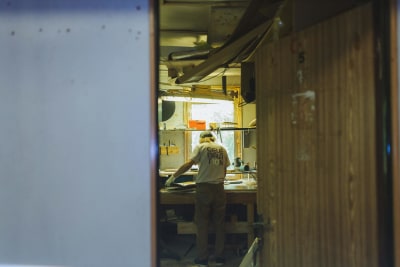
The vibrant, ephemeral magic of Mardi Gras parades often leaves spectators with little thought about the intricate artistry and immense logistical effort required to bring those fantastical floats to life. For most, the dazzling processions are a fleeting, annual indulgence. Yet, the reality for the artisans and engineers behind these creations is a relentless, 365-day cycle of design, construction, and preservation, a demanding schedule that extends far beyond the city's iconic Carnival season. This complex operation, largely unseen by the public, underpins a significant portion of New Orleans' cultural export and economic vitality. What many fail to grasp is the sheer scale of work involved in creating a single parade float, let alone the hundreds required for multiple krewes. Each vehicle is a moving piece of art, often incorporating complex mechanical elements, intricate sculpting, and detailed painting. This demands a year-round commitment to conceptualization, material sourcing, fabrication, and rigorous testing to ensure safety and visual impact. The perception of Mardi Gras as a singular event belies the continuous, high-stakes production process that must occur even as the city cleans up from the last parade, illustrating a profound disconnect between public enjoyment and the industrial reality of its creation. This year-round dedication is not just about preparing for the next Carnival; it’s about survival and expansion for companies like Kern Studios. Founded in 1947 by Blaine Kern, the business has evolved dramatically under the leadership of his son, Barry Kern, and now Barry’s sons, Fitz and Patrick. What began as a bespoke service for local Mardi Gras organizations has transformed into a global enterprise. This diversification is crucial, allowing the company to leverage its specialized skills in sculpting, engineering, and large-scale fabrication for a broader market. Without this constant stream of diverse projects, the core Mardi Gras operation would likely be financially unsustainable. The implications of this business model are far-reaching. Kern Studios, for instance, now employs over 200 individuals globally and generates more than $100 million in annual revenue, demonstrating the economic power of specialized creative industries. Beyond its New Orleans headquarters, the company has established operations in the Philippines and maintains offices in key locations like Houston, Orlando, and Philadelphia, with a new outpost planned for Dallas. This international presence not only broadens their client base but also serves as a powerful vehicle for exporting New Orleans’ unique cultural flair and craftsmanship to theme parks, festivals, and major events worldwide. The client base for such specialized fabrication extends far beyond parade organizations. Major theme parks commission elaborate set pieces and attractions. Museums require historically accurate dioramas and immersive exhibits. Businesses seek unique, eye-catching displays for product launches and corporate events. This varied demand highlights the transferable nature of the skills developed in the demanding environment of Mardi Gras float design, skills that include advanced welding, structural engineering, advanced sculpting techniques, and large-scale painting, all while adhering to strict safety and budget constraints. The Kern family’s strategic expansion is a masterclass in adapting a niche skill set to a global marketplace. By cultivating international projects, they secure a stable revenue stream that subsidizes the often labor-intensive and seasonally dependent work of building Mardi Gras floats. This financial resilience allows them to invest in new technologies, train a diverse workforce, and maintain their expansive facilities in New Orleans, which themselves are becoming significant event venues. The success of Kern Studios demonstrates that cultural heritage can be a powerful engine for modern economic development when coupled with innovative business practices. The impact on New Orleans is multifaceted. Economically, it provides stable, high-skilled jobs and contributes significantly to the city's reputation as a hub of creativity and craftsmanship. Culturally, it ensures the continued vibrancy and evolution of its most famous traditions by providing the resources necessary for their production. Moreover, by exporting this expertise, the city gains a unique global footprint, showcasing its artistic talent on an international stage and fostering a sense of pride and connection among expatriate communities and enthusiasts worldwide. Looking ahead, the industry faces challenges and opportunities. The demand for immersive experiences and elaborate spectacles in entertainment and retail continues to grow. Companies like Kern Studios will need to stay at the forefront of technological advancements, incorporating new materials and digital design tools. Furthermore, navigating global supply chains and international labor markets will remain critical. The ability to adapt to evolving client needs while maintaining the artistic integrity and logistical prowess that defines their work will determine the future success of these specialized fabrication businesses and their role in shaping global visual culture.
In Brief
Discover the year-round, global operations behind New Orleans' iconic Mardi Gras float makers. Beyond the parades, a complex industry crafts spectacles worldwide, driving economic and cultural export.Advertisement

Comments
No comments yet. Be the first to comment!