
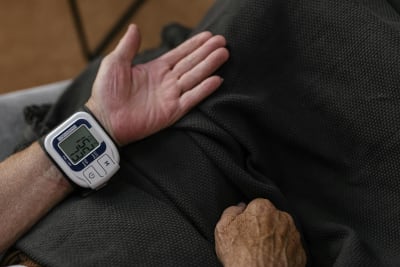
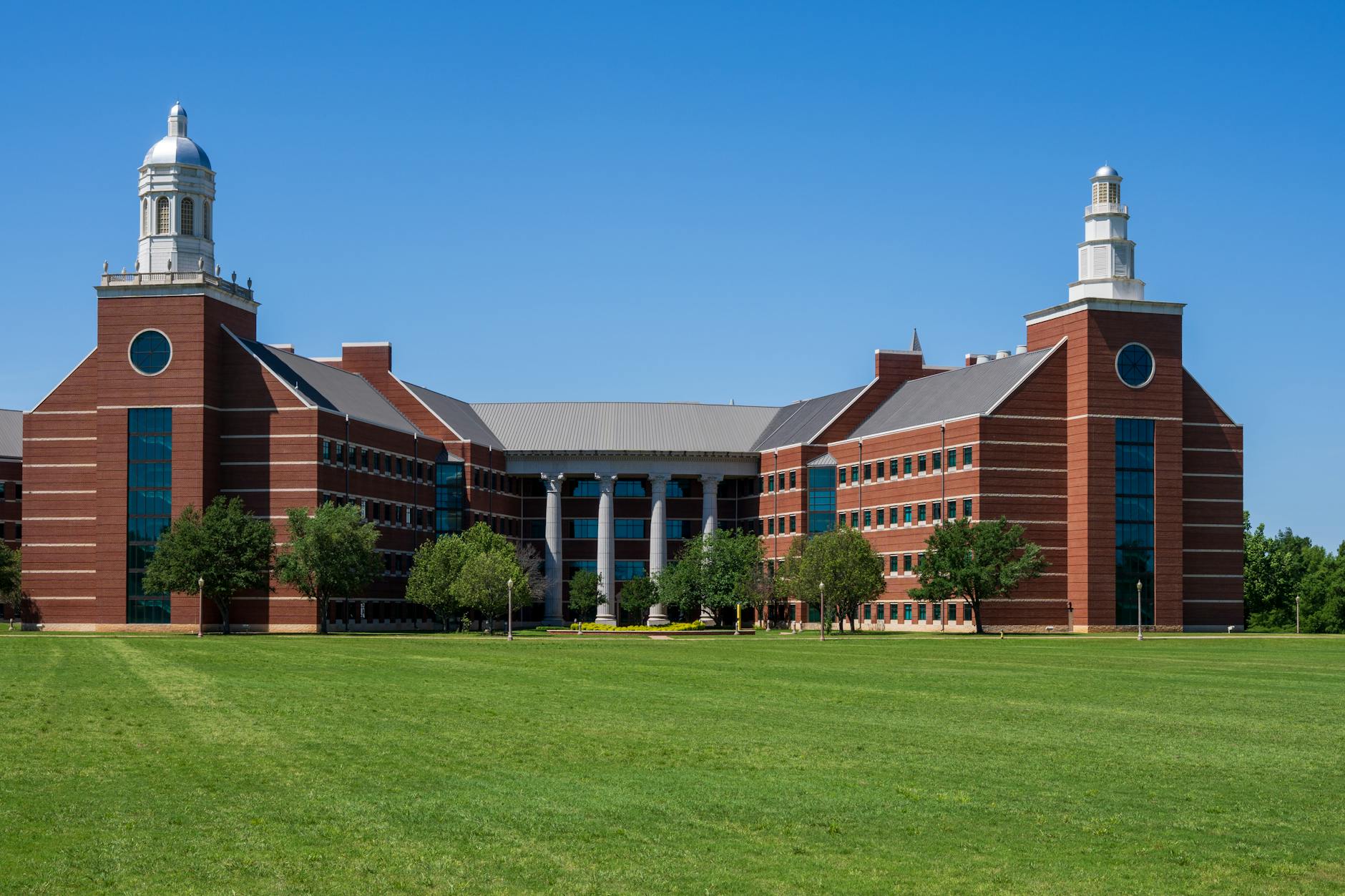
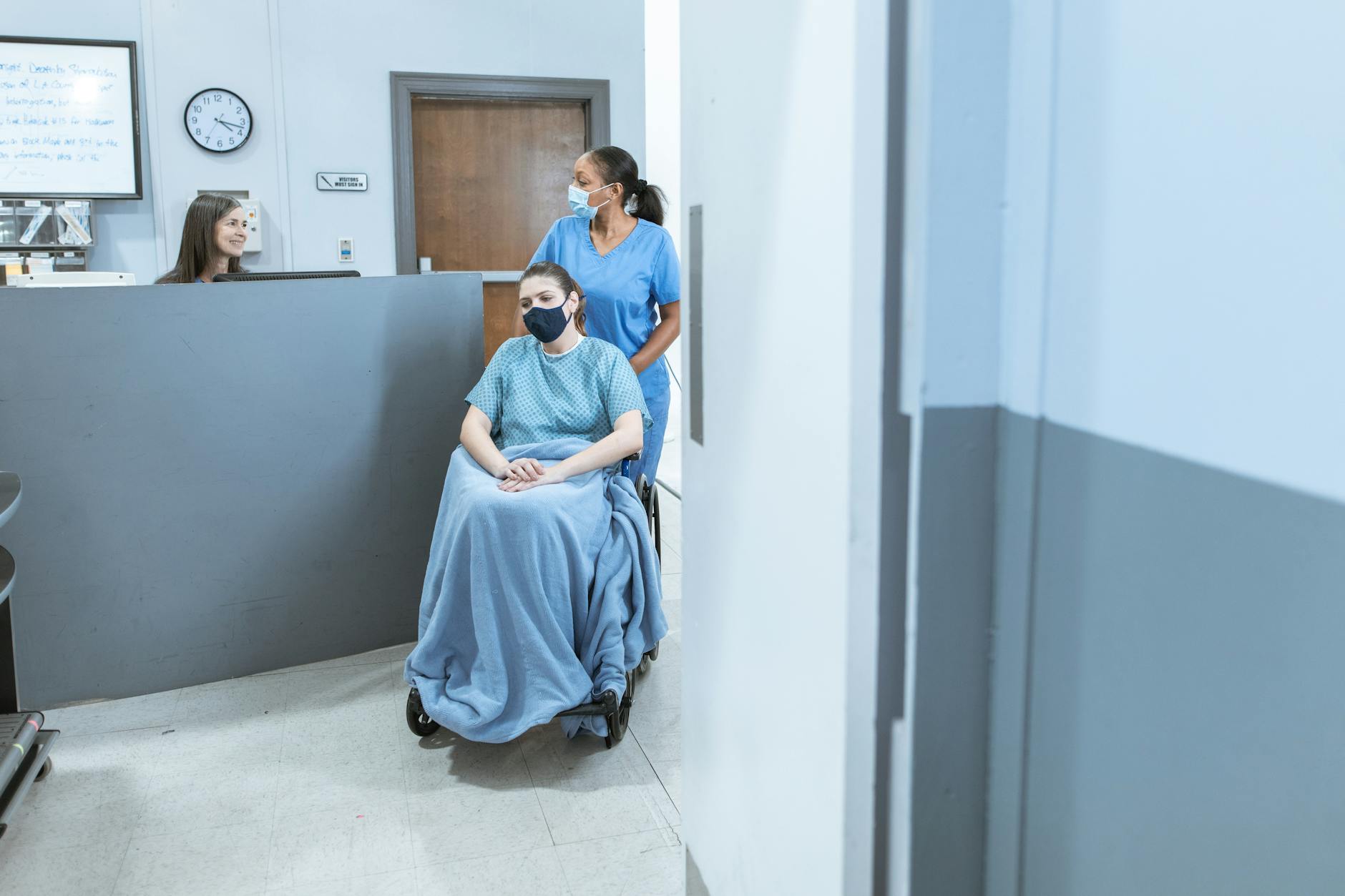
South Carolina's robust healthcare infrastructure, a system that today serves millions, didn't materialize overnight. It's the culmination of a deliberate, decades-long effort, spearheaded by visionary physicians and public health advocates who recognized a critical need for expanded medical education and physician presence throughout the state. This proactive approach, initiated in the late 1960s, aimed to ensure that quality healthcare wasn't a luxury confined to urban centers but a reality accessible to communities across the Palmetto State. The genesis of this transformation can be traced back to a pivotal collaboration between the Medical University of South Carolina (MUSC) and the state's leading hospital systems. Institutions now known as Prisma Health Richland Hospital, Prisma Health Greenville Memorial Hospital, Spartanburg Medical Center, AnMed, and MUSC Health Florence Medical Center were instrumental partners in this ambitious undertaking. Their collective commitment laid the groundwork for what would become a significantly improved healthcare landscape, increasing the number of practicing physicians and specialists where they were most needed. This expansion was fueled by a combination of federal grants, most notably from the Area Health Education Centers program, alongside substantial state and local funding. A key component was the establishment and support of family medicine residency training programs strategically placed across South Carolina. These initiatives proved remarkably successful, nurturing a generation of healthcare professionals deeply invested in the state's well-being and directly contributing to the healthcare system's strength and resilience that persists today. However, this hard-won progress faces a contemporary challenge. While the system's foundational strength is undeniable, the sheer volume of tourism in historic areas like Charleston is straining existing public infrastructure. The city, a magnet for millions of visitors annually, is grappling with an overflow of demand for basic amenities. Reports indicate a growing disparity between the revenue generated by tourism and the investment in essential visitor facilities, leading to concerns about the visitor experience and the city's overall quality of life. Specifically, the focus has shifted towards the inadequacy of basic visitor services south of Broad Street. The current infrastructure struggles to cope with the daily influx, with a notable lack of essential facilities such as public restrooms, readily available drinking water stations, and sufficient waste management systems. This oversight is particularly stark when considering the significant economic contribution of these tourists, raising questions about resource allocation and priorities. This situation resonates deeply with residents and visitors alike, highlighting a broader national trend of aging public infrastructure failing to keep pace with population growth and increased demand, whether from permanent residents or transient visitors. The contrast between the historic charm of cities like Charleston and the functional shortcomings of their public amenities presents a jarring disconnect, prompting discussions about urban planning and the sustainable management of popular destinations. The legacy of Drs. J.F.A. McManus and Hiram Curry, pioneers whose leadership was instrumental in establishing these vital medical education programs, serves as a powerful reminder of what can be achieved through collective effort focused on community health. Their success underscores the principle that prioritizing public well-being through strategic investment yields tangible, long-lasting benefits for an entire state. Looking ahead, the critical question is whether local governments and tourism bodies can effectively bridge the gap between revenue generation and infrastructure investment. The success of South Carolina's healthcare system offers a blueprint for proactive, long-term planning. Applying similar foresight to urban infrastructure, particularly in highly trafficked tourist zones, will be crucial for maintaining both the appeal of these destinations and the quality of life for their inhabitants. The ongoing debate hinges on shifting focus from potentially underutilized, large-scale projects to addressing the immediate, functional needs of a bustling city and its visitors.
In Brief
Discover how South Carolina built its robust healthcare system through decades of dedicated medical education expansion. Now, a new challenge emerges as tourism strains basic infrastructure in historic cities.Advertisement



Comments
No comments yet. Be the first to comment!