
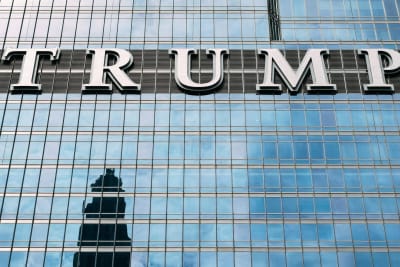
The air in Columbia, South Carolina, crackled with an unspoken question on a recent late spring evening. As the state’s Republican hopefuls for governor crisscrossed the Palmetto State, from the coastal plains to the upstate foothills, a singular focus dominated their conversations, both public and private: the silent, yet deafening, absence of Donald Trump’s endorsement. With the primary election date hurtling closer and early voting already commenced, the former president’s decision on whether to weigh in on this crowded contest remains a potent, unplayed card, casting a long shadow over the ambitions of six seasoned politicians. This isn't just another gubernatorial race; it's a high-stakes game of political chess where the most powerful piece, the Trump endorsement, has yet to be moved. Lieutenant Governor Pamela Evette, State Senator Josh Kimbrell, U.S. Representatives Nancy Mace and Ralph Norman, Isle of Palms businessman Rom Reddy, and Attorney General Alan Wilson are all vying for the Republican nomination. Each understands that Trump’s imprimatur is, in the words of veteran GOP consultant Walter Whetsell, “the Holy Grail of endorsements to anybody with an ‘R’ behind their name here on the June 9 ballot.” This fervent desire for his backing isn't merely about electoral advantage; it's about tapping into the deeply loyal, energized base that Trump commands. The current landscape presents a peculiar paradox for these candidates. While they must diligently court the voters of South Carolina, addressing local issues and building grassroots support, an equally significant, and perhaps more daunting, effort is directed towards capturing the attention and favor of a single individual in Florida. Resources are being poured into strategies designed not only to persuade the electorate but also to signal their fealty and value to the former president. This dual campaign – one for the hearts and minds of South Carolinians, the other for the ear of Donald Trump – is stretching campaign budgets and demanding a delicate balancing act. Walter Whetsell, a seasoned observer of South Carolina politics, noted that “Every candidate out there that I know of is spending time, energy and resources to convince him to weigh in on their behalf.” This statement underscores the pervasive influence Trump continues to wield within the Republican party, even outside the Oval Office. His endorsements have historically reshaped primary contests, propelling lesser-known figures to victory and signaling a clear direction for the party faithful. For the candidates in this race, Trump’s approval is seen as the ultimate validation, a shortcut to bypassing traditional campaign hurdles and securing a decisive advantage. The economic implications of this uncertainty are also noteworthy. Campaigns are allocating significant portions of their funding towards national outreach and relationship-building with Trump’s inner circle, potentially diverting funds from essential on-the-ground operations or traditional advertising. This strategic gamble reflects the perceived return on investment for a presidential nod. A favorable endorsement could unlock a flood of small-dollar donations from Trump’s national network and energize volunteers who are motivated by his personal appeal, far beyond the borders of South Carolina. Socially, the race is becoming a litmus test for Republican identity in the post-presidency era. Candidates are carefully calibrating their rhetoric to align with Trump's populist messaging and his critiques of the established order, without alienating moderate voters. The tension between loyalty to Trump and the need to project an image of independent leadership creates a complex narrative that resonates with voters grappling with their own allegiances within the party. This internal party dynamic is playing out in real-time, shaping the very definition of what it means to be a Republican in South Carolina. The broader political ripple effects extend beyond the state’s borders. The outcome of this gubernatorial primary, particularly if influenced by Trump’s eventual choice, could serve as a bellwether for his continued power in shaping Republican candidacies nationwide. It also highlights the evolving nature of political endorsements, moving from party establishment backing to the personal brand of a singular, influential figure. The candidates themselves are keenly aware that their performance in this race, win or lose, will be scrutinized for its alignment with Trump’s political agenda, potentially impacting their future political careers. As early voting commences, the candidates are left to strategize and campaign under this cloud of anticipation. Will Trump eventually endorse a candidate, and if so, who will it be? The suspense is palpable, turning the South Carolina governor’s race into a compelling subplot in the ongoing saga of Donald Trump’s influence on the Republican Party. The coming weeks will reveal not only the next governor of South Carolina but also offer further insights into the enduring power of the Trump endorsement in American politics.
In Brief
South Carolina's Republican gubernatorial candidates are in a tense waiting game, with Donald Trump's endorsement remaining elusive as primary day nears. This uncertainty shapes campaign strategies and reveals the former president's continued sway.Advertisement



Comments
No comments yet. Be the first to comment!