

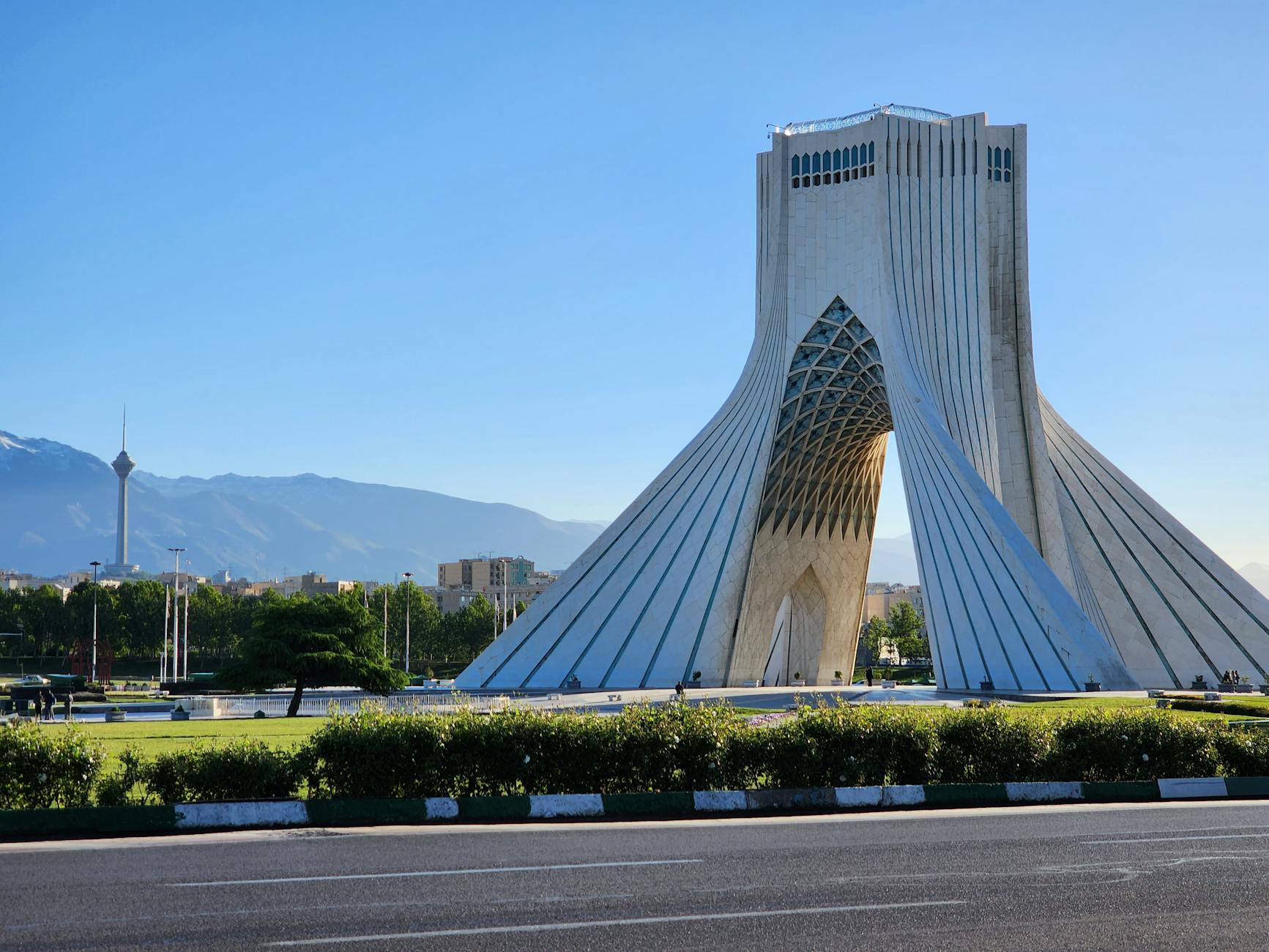
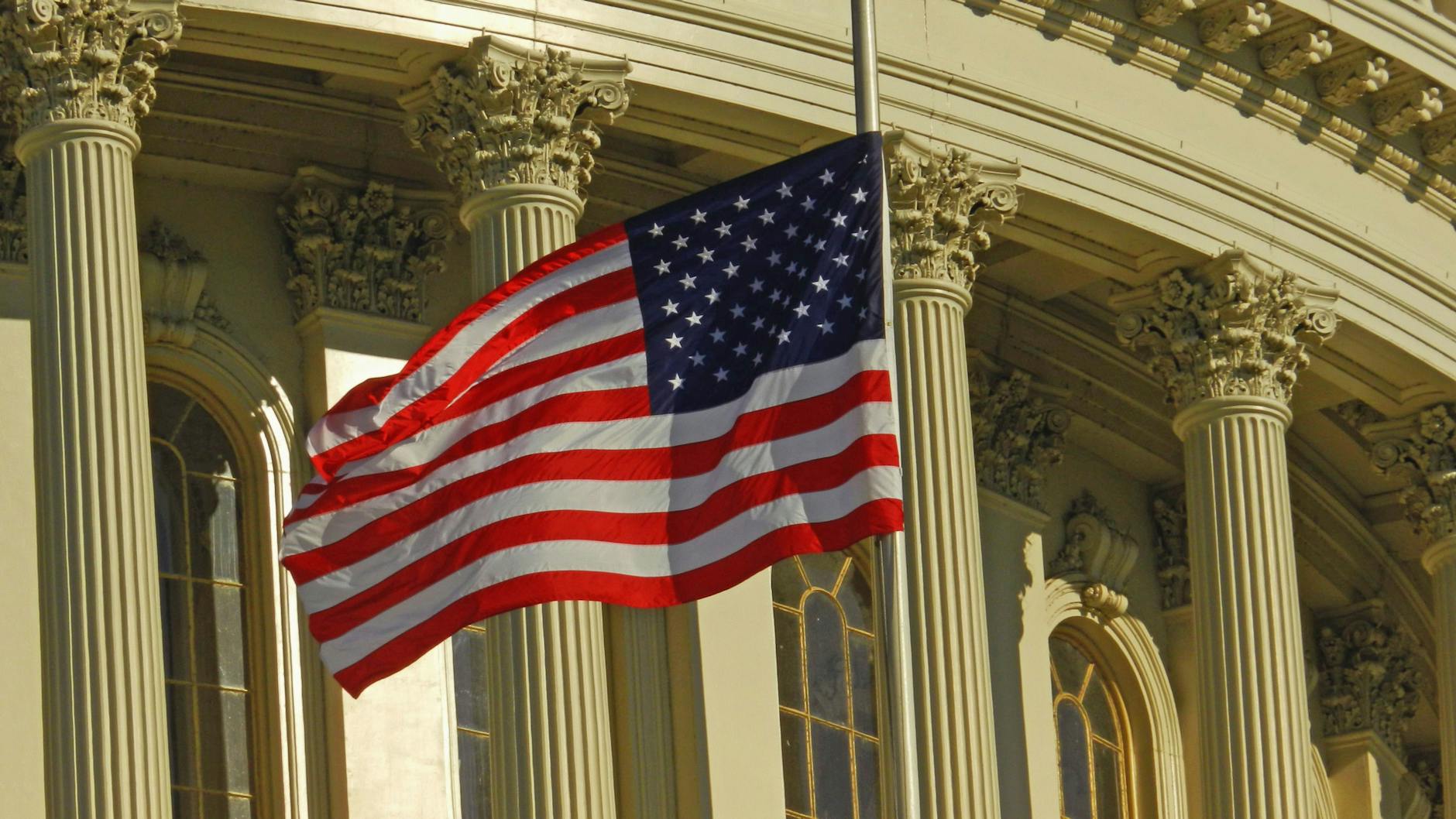
The recent surge in gasoline prices, now averaging $4.55 per gallon according to social media posts from House Minority Leader Hakeem Jeffries, is dramatically reshaping the political landscape, presenting a stark challenge to incumbent leadership and creating an opening for opposition parties to capitalize on voter frustration. This shift marks a significant departure from past political discourse, where such economic pressures were often framed as unavoidable global consequences. The current narrative, however, is increasingly being weaponized as a direct indictment of current economic policies and global engagement strategies, suggesting that the average American's wallet has become a critical battleground in the lead-up to crucial elections. The economic pressures at the pump are intrinsically linked to escalating geopolitical tensions, specifically the ongoing conflict involving Iran and disruptions to critical oil transit routes like the Strait of Hormuz. This complex web of international relations has direct, tangible consequences for domestic consumers, demonstrating how far-off conflicts can translate into everyday financial burdens. The administration's efforts to de-escalate the situation and stabilize oil markets appear to be encountering significant headwinds, leaving many citizens questioning the effectiveness of current foreign policy and its impact on their personal finances. The economic fallout from this global instability is not abstract; it's being felt at every gas station across the nation. Digging into the data reveals the depth of public concern. According to a recent Fox News Poll, a staggering 59% of voters identified rising gas prices as a "major problem" for their households, with an additional 29% labeling them a "minor problem." This near-universal acknowledgment of the issue underscores its pervasive impact. Furthermore, the poll indicated that nearly three-quarters of voters believe the U.S. economy is deteriorating, a sentiment echoing concerns seen previously under different administrations, highlighting a cyclical nature of public economic anxiety that can be easily triggered by volatile prices. The political pivot from the opposition is palpable. While Hakeem Jeffries, as a prominent Democratic leader, is now vociferously criticizing President Trump over the gas price hikes, his past pronouncements offer a striking contrast. In March 2022, during a period of rising fuel costs following Russia's invasion of Ukraine, Jeffries urged Republicans not to "play politics" with the issue, framing those price increases as a necessary "sacrifice" in response to global events. This apparent reversal in rhetoric suggests a strategic recalibration, prioritizing electoral advantage over previous appeals for bipartisan understanding during times of economic hardship. This strategic focus on affordability is a cornerstone of the Democratic party's current electoral strategy. By highlighting the rising cost of living, particularly the impact of gas prices, they aim to erode support for vulnerable Republican incumbents in swing districts. The narrative being pushed is clear: the current administration's policies, both domestic and foreign, have led to a tangible decline in the financial well-being of ordinary Americans. This approach seeks to connect complex global events directly to the daily lives and budgets of constituents, making economic pain a potent political weapon. The social media sphere has amplified this debate, with Jeffries and other political figures using platforms like X (formerly Twitter) to directly challenge the current economic narrative and highlight voter concerns. The phrase "Is this what the golden age in America looks like?" has become a rhetorical jab, designed to resonate with those feeling the pinch. Online discussions reflect a broad spectrum of public reaction, from genuine anger and frustration over the financial strain to partisan accusations and counter-accusations, illustrating how deeply ingrained the issue has become in the digital public square. Looking ahead, the short-term implications are clear: gas prices will remain a dominant talking point, potentially influencing voter turnout and party affiliation in upcoming elections. The volatility at the pump could energize base voters for the opposition while alienating undecided or swing voters who prioritize economic stability. This dynamic could significantly impact the balance of power in Congress, with key battleground states and districts likely to be heavily influenced by fuel cost sentiment. In the longer term, this episode underscores the persistent vulnerability of economies to geopolitical shocks and the inherent political risks associated with global instability. It highlights the need for robust energy policies that can withstand international pressures and the critical importance of transparent communication from leadership regarding the causes and potential solutions to price fluctuations. The coming months will reveal whether this focus on the consumer's wallet will be a decisive factor in the electoral landscape, or if other issues will eventually overshadow the immediate pain at the pump. Observers should closely monitor polling data, campaign rhetoric, and any significant developments in the ongoing international conflicts that directly impact global oil supply.
In Brief
House Minority Leader Hakeem Jeffries has shifted his stance on rising gas prices, now criticizing President Trump after previously calling for non-political approaches. This shift highlights the economic pressures impacting voters and their potential influence on upcoming elections.Advertisement



Comments
No comments yet. Be the first to comment!