
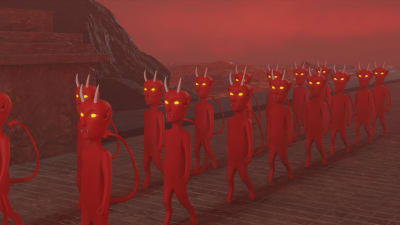
The gnawing unease felt by millions of Americans isn't just a fleeting sentiment; it's a palpable response to a world that increasingly feels out of control. From the familiar landscape of domestic politics to the shifting sands of international relations, a profound sense of disorientation has taken root. This isn't the political wrangling of yesteryear; it's a systemic fracturing, leaving many questioning the very foundations of societal stability and the future trajectory of the nation. Families find themselves at odds over dinner table conversations, once civil discourse now devolves into strained silence or outright conflict, a microcosm of the broader societal schism. This widespread bewilderment stems from a confluence of factors that have accelerated in recent years. The traditional two-party system, once a relatively predictable arena, now appears fractured and increasingly radicalized. The lines between ideological camps have blurred, replaced by entrenched positions that seem impervious to compromise or reasoned debate. Compounding this domestic tension is a volatile global stage, marked by unpredictable foreign policy shifts, simmering international conflicts, and a constant barrage of information that often contradicts itself, creating a dizzying informational environment. Examining this phenomenon requires looking beyond the surface-level headlines. Data points to a significant increase in partisan animosity. A 2023 Pew Research Center study, for instance, revealed that a substantial majority of Democrats and Republicans view the opposing party not just as a political rival, but as a fundamental threat to the nation's well-being. This sentiment has been fanned by social media algorithms designed to prioritize engagement, often by amplifying divisive content and creating echo chambers that reinforce pre-existing beliefs, limiting exposure to alternative viewpoints. The sheer volume of information, much of it unfiltered and unverified, contributes to an environment where distinguishing fact from fiction becomes an exhausting, and for many, an insurmountable task. Public figures and commentators, from seasoned political analysts to online influencers, are grappling with how to frame these complex issues. Some argue that the current climate is a natural, albeit extreme, evolution of democratic discourse, where deeply held beliefs are being tested. Others point to deliberate strategies of division, employed by various actors seeking to exploit societal fault lines for political gain. The common thread is a shared acknowledgment of the unprecedented nature of the current moment, a departure from the more predictable political cycles of past decades. This resonates because it touches upon fundamental anxieties about security, identity, and belonging. The implications of this pervasive sense of chaos extend far beyond the immediate political sphere. When trust in institutions erodes, and individuals feel disconnected from any shared sense of purpose, the social fabric begins to fray. This can manifest in increased social unrest, a decline in civic engagement, and a heightened susceptibility to disinformation campaigns. The very notion of a shared reality, essential for a functioning democracy, is challenged. The economic consequences are also significant, as uncertainty can stifle investment and lead to market volatility, further exacerbating anxieties about personal financial security. Stakeholder perspectives are varied and often conflicting. Political leaders, particularly those in positions of authority, often project an image of control and strategic foresight, even as the underlying realities suggest otherwise. Media organizations, tasked with reporting on these developments, face the dual challenge of informing the public accurately while navigating a landscape rife with partisan pressures and the relentless demand for immediate news. Academics and researchers are working to identify the root causes and potential remedies, exploring everything from electoral reform to media literacy initiatives. Meanwhile, everyday citizens are left to make sense of it all, often feeling like passive observers in a drama they can't control. The public's current fascination with understanding "what the hell is happening?" is a direct reflection of this disquiet. It's an honest, unvarnished expression of confusion and a desire for clarity in a world that often feels overwhelmingly complex. This shared experience of uncertainty, though born of fragmentation, might also represent a nascent opportunity for connection, as people seek common ground and shared explanations for the challenges they face. The sheer volume of conversations, podcasts, and online discussions dedicated to dissecting current events underscores a collective yearning for comprehension and perhaps, eventual resolution. Looking ahead, several key developments will be critical to watch. The outcomes of upcoming elections, both domestically and internationally, will undoubtedly shape political landscapes and potentially signal shifts in public sentiment. The ongoing evolution of digital media and its role in shaping public discourse will continue to be a crucial factor, as will the ability of societies to foster resilience against disinformation. Furthermore, the capacity of political and civic leaders to bridge divides and rebuild trust will be paramount in navigating the turbulent currents ahead. The path forward remains uncertain, but the demand for answers is only growing louder.
In Brief
A deep dive into the pervasive sense of political and global uncertainty gripping Americans, exploring the roots of polarization and its societal impact. Understanding the 'why' behind the chaos.Advertisement


Comments
No comments yet. Be the first to comment!