

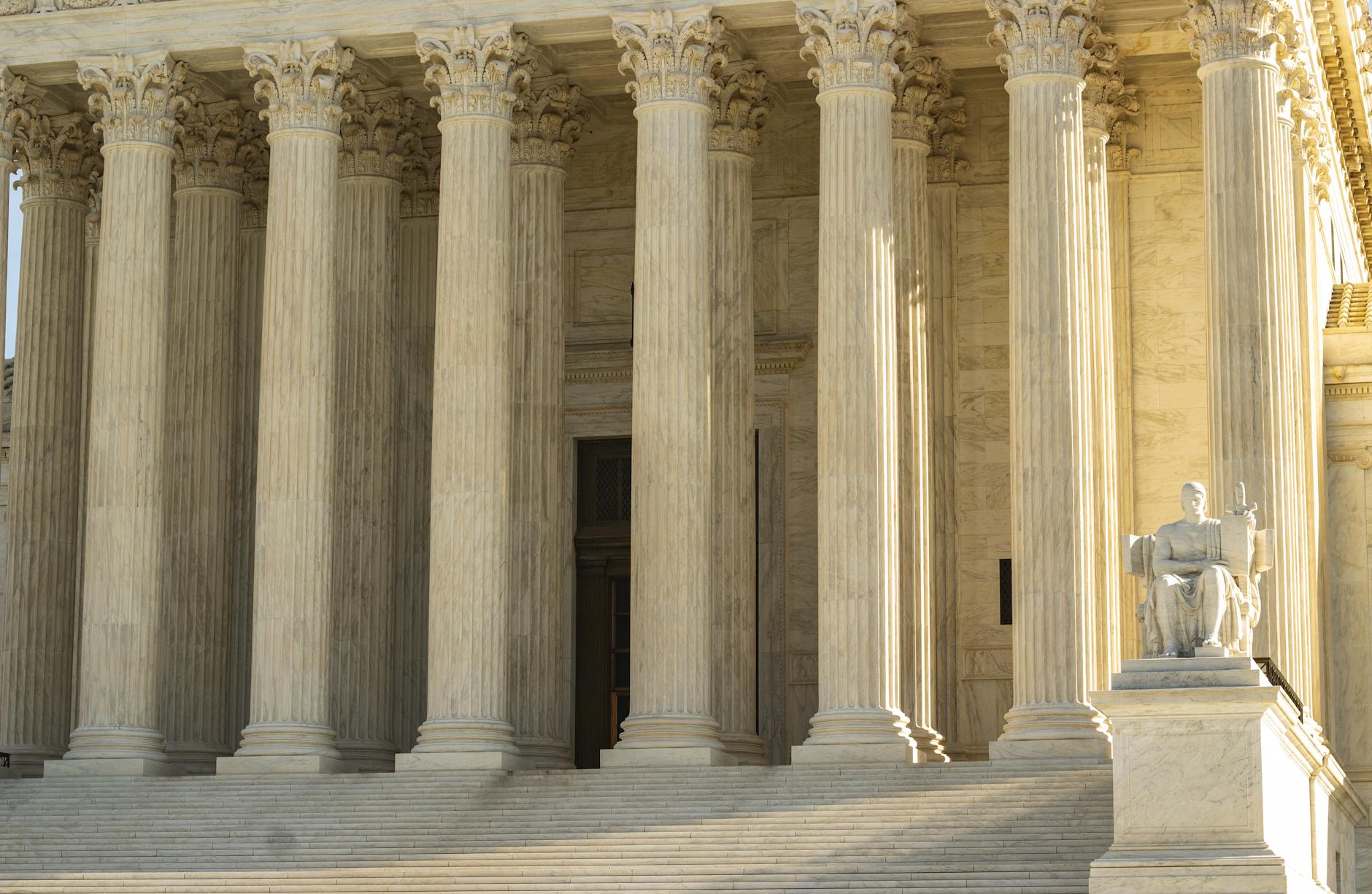
The state motto of Iowa, "Our liberties we prize and our rights we will maintain," inscribed above the Iowa Supreme Court chambers, seems, on the surface, an unassailable declaration of civic virtue. Yet, a closer examination reveals a growing tension between this foundational promise and the lived experiences of many Iowans, suggesting that the very meaning of 'liberty' and 'rights' is becoming a site of profound contention in the state. This isn't merely an academic debate about historical interpretation. The urgency stems from a palpable disconnect between the idealized principles enshrined in the motto and the practical implications of recent legislative actions and societal shifts. As the nation hurtles towards its 250th anniversary, the distance between founding ideals and contemporary reality feels particularly acute, making a state's commitment to its own stated principles a bellwether for broader national anxieties about the direction of freedom. At the heart of the matter are individuals like Noah Gratias, a seventh-generation Iowan whose family history is deeply intertwined with the state's agricultural and civic fabric. Gratias, like many others, finds himself questioning whether the rights he believes are fundamental are truly being maintained, especially as policy decisions appear to prioritize certain interpretations of liberty over others. This isn't an abstract concern; it touches upon issues ranging from economic fairness and environmental stewardship to personal autonomy and the fundamental right to a healthy community. The resonance of this theme across Iowa, and indeed the nation, lies in its universality. Who among us doesn't prize their liberties? Who doesn't expect their rights to be upheld? The discomfort arises when the structures meant to protect these principles seem to falter or, worse, actively erode them for specific groups or in specific contexts. This feeling is amplified in an era where political discourse often feels polarized and the foundational tenets of democracy are frequently challenged. Specific examples illuminate the growing chasm. Consider the ongoing debates surrounding agricultural regulations and their impact on rural communities, or the legislative battles over reproductive rights and educational curricula. These are not fringe issues; they represent core aspects of what it means to live freely and with dignity in a modern society. The invocation of "rights" can become a tool for both empowerment and exclusion, depending on whose rights are being emphasized and whose are being sidelined. The path forward, if Iowa is to truly live up to its motto, requires a conscious effort to broaden the understanding of what constitutes cherished liberties and protected rights. This involves fostering more inclusive dialogue, ensuring that diverse perspectives are heard and valued in policy-making, and holding elected officials accountable to a comprehensive interpretation of these ideals. It means moving beyond partisan talking points to engage in genuine deliberation about the common good. For readers, the takeaway is a call to introspection and engagement. The motto is not just a historical artifact; it's a living standard against which the actions of government and the health of society can be measured. It urges us to consider whose liberties are being prized and whose rights are being maintained in our own communities. Are we passively accepting the status quo, or are we actively participating in the ongoing work of ensuring that these principles apply equally to all? This ongoing narrative demands attention not just within Iowa's borders, but as a microcosm of a national struggle. The way this state grapples with its motto will offer valuable insights into the future of democratic ideals in America. What legislative proposals will emerge next session? How will the courts interpret the balance of rights? And most importantly, will the voices of all Iowans be reflected in the ongoing definition and defense of their liberties?
In Brief
Iowa's state motto, 'Our liberties we prize and our rights we will maintain,' is facing scrutiny as policy and societal shifts create a disconnect with its founding promise. This analysis explores the growing tension and its implications.Advertisement




Comments
No comments yet. Be the first to comment!