
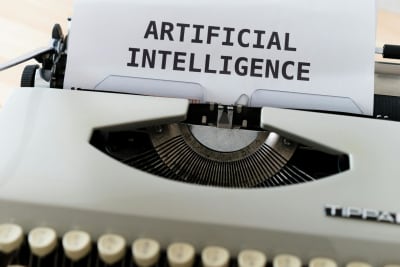
"The ultimate goal is not to make content perfectly predictable, but to make it profoundly resonant. That requires understanding where the algorithm ends and the human connection begins," states Dr. Anya Sharma, a media theorist at the Institute for Digital Humanities. This sentiment captures a growing unease within the cultural landscape as artificial intelligence rapidly reshapes how we discover and consume everything from music to news. The promise of hyper-personalization – tailoring every bit of content to individual tastes – is alluring, offering a frictionless path to entertainment. Yet, this very perfection may be eroding the serendipitous encounters and shared experiences that have historically defined cultural movements and fostered genuine human connection. The current technological moment is defined by an unprecedented ability to analyze vast datasets of user behavior. AI algorithms can now predict, with remarkable accuracy, what a user might want to see, hear, or read next. This has led to sophisticated recommendation engines and customized feeds that can make engagement feel effortless. Brands are leveraging these tools to keep audiences hooked, offering a seemingly endless stream of content that perfectly aligns with past preferences. However, this relentless optimization risks creating insulated echo chambers, where individuals are rarely exposed to perspectives or genres outside their established comfort zones. The ease of access, while convenient, can inadvertently stifle curiosity and limit the potential for genuine discovery. Historically, cultural engagement was often a communal affair. Think of tuning into a popular radio show, attending a sold-out concert, or discussing a widely read book the next day. These shared touchpoints created a collective consciousness, a common ground for conversation and connection. The advent of mass media democratized access but still often involved a degree of shared experience. Now, AI-driven personalization is fracturing that shared reality into millions of individual streams. While this can deepen an individual's connection to specific content, it diminishes the possibility of those universal cultural moments that bind communities together. The shared surprise of a breakout hit or the collective outrage over a controversial film becomes less likely when everyone is experiencing a slightly, or drastically, different version of reality. This shift is resonating deeply because it touches upon fundamental aspects of human experience: our need for connection, our innate curiosity, and our desire for meaning. The current surge in conversations around AI's role in media reflects a growing awareness that while efficiency and individual satisfaction are valuable, they are not the sole arbiters of a rich cultural life. The paradox of modern technology is that in its quest to serve us better, it can inadvertently isolate us. This is why the concept of 'positive friction' – deliberately introducing elements of surprise or choice into the user experience – is gaining traction. It’s a recognition that a perfectly smooth ride might ultimately be less fulfilling than one that occasionally challenges or delights us unexpectedly. The current situation sees a tug-of-war between algorithmic efficiency and the inherent messiness of human creativity and discovery. On one side, platforms are driven by data to maximize user time and engagement, which often translates to serving up more of what the algorithm *thinks* users want. This can lead to a phenomenon where content becomes increasingly niche and predictable. On the other side, creators and cultural critics are pushing back, advocating for environments that encourage exploration and the unexpected. Mark Paulda, a media strategist, articulates this by emphasizing the need to "optimize for delight, not just data." This highlights a crucial point: true engagement isn't just about consuming more, but about experiencing more moments of genuine surprise and emotional connection. Looking back, the disruptive force of the internet and social media offered a similar, though less sophisticated, pathway toward personalized content. However, the scale and predictive power of today's AI represent a quantum leap. Whereas early recommendation systems might have suggested similar artists, current AI can curate entire listening sessions or reading lists that are uncannily attuned to subtle shifts in a user's mood or interests, often before the user themselves is fully aware of these changes. This level of predictive power, while impressive, raises profound questions about agency and the nature of taste formation. Are we curating our own experiences, or are algorithms subtly shaping our preferences in ways we don't fully grasp? The challenge for media creators and platforms is to harness AI not as a replacement for human curation or audience interaction, but as a tool to enhance it. This means using AI to identify potential areas of interest, to surface diverse voices, or to facilitate connections between audiences, rather than solely to predict and deliver the 'safest' or most predictable content. Sarah DaVanzo, a user experience consultant, suggests building "positive friction" into digital interactions, allowing users to opt-in to different levels of personalization or to explicitly seek out novel experiences. This approach acknowledges that different individuals will have different needs and desires regarding predictability versus surprise. The potential future is one where AI acts as a knowledgeable guide, suggesting paths but not dictating destinations. It could help surface emerging artists to a wider audience, highlight overlooked documentaries, or connect readers with books that challenge their perspectives. For instance, instead of just recommending more sci-fi, an AI could identify a user's interest in philosophical themes within sci-fi and then suggest a thought-provoking essay collection or a historical drama that explores similar existential questions. This nuanced approach prioritizes genuine enrichment over passive consumption, aiming to spark curiosity and foster a more dynamic engagement with culture. Audiences can actively seek out platforms and creators who prioritize a balance between personalization and discovery. Pay attention to how content is being recommended and whether it genuinely expands your horizons or merely reinforces existing tastes. Supporting media outlets that deliberately inject elements of surprise, human curation, and diverse perspectives into their offerings is crucial. Furthermore, engaging critically with the content you consume, questioning why certain things are being shown to you, can foster a more conscious and rewarding media diet. The next steps will involve watching how platforms evolve their AI strategies and whether they choose to prioritize long-term cultural richness over short-term engagement metrics, and how effectively they can empower users to navigate this increasingly personalized digital world.
In Brief
As AI crafts hyper-personalized content, a crucial debate emerges: are we enhancing cultural experiences or sacrificing the serendipity and shared moments that define them? This in-depth analysis explores the risks and potential of algorithmic curation.Advertisement




Comments
No comments yet. Be the first to comment!