

The Story in Brief
- Fortune, a publication with nearly a century of global business coverage, introduces Fortune Gulf Brief, a new weekly intelligence newsletter.
- The newsletter focuses on the Middle East's business and investment landscape, offering sharp insights.
- Led by reporter Melissa Hancock and edited by Executive Editorial Director Kamal Ahmed, it targets key economic shifts.
- Launching amid regional geopolitical volatility, the brief emphasizes technology, energy transition, and economic diversification.
The Human Face
Dubai-based tech entrepreneur Sarah al-Mansoori faced a sudden pivot six months ago. Her firm's expansion, once confidently aligned with the UAE's diversification vision, now navigates escalating regional tensions, particularly Iran's assertiveness. "Long-term capital allocation is a much more complex calculation now," al-Mansoori admits, her dilemma echoing that of many leaders balancing growth with tangible conflict risks.
This uncertainty extends to major players. Executives at Saudi conglomerates, like those managing King Abdullah Economic City, are reassessing substantial capital deployment for non-oil diversification. They now weigh supply chain vulnerabilities and potential diplomatic flare-ups against the imperative of Saudi Vision 2030, demanding strategic resilience in a volatile neighborhood.
How We Got Here
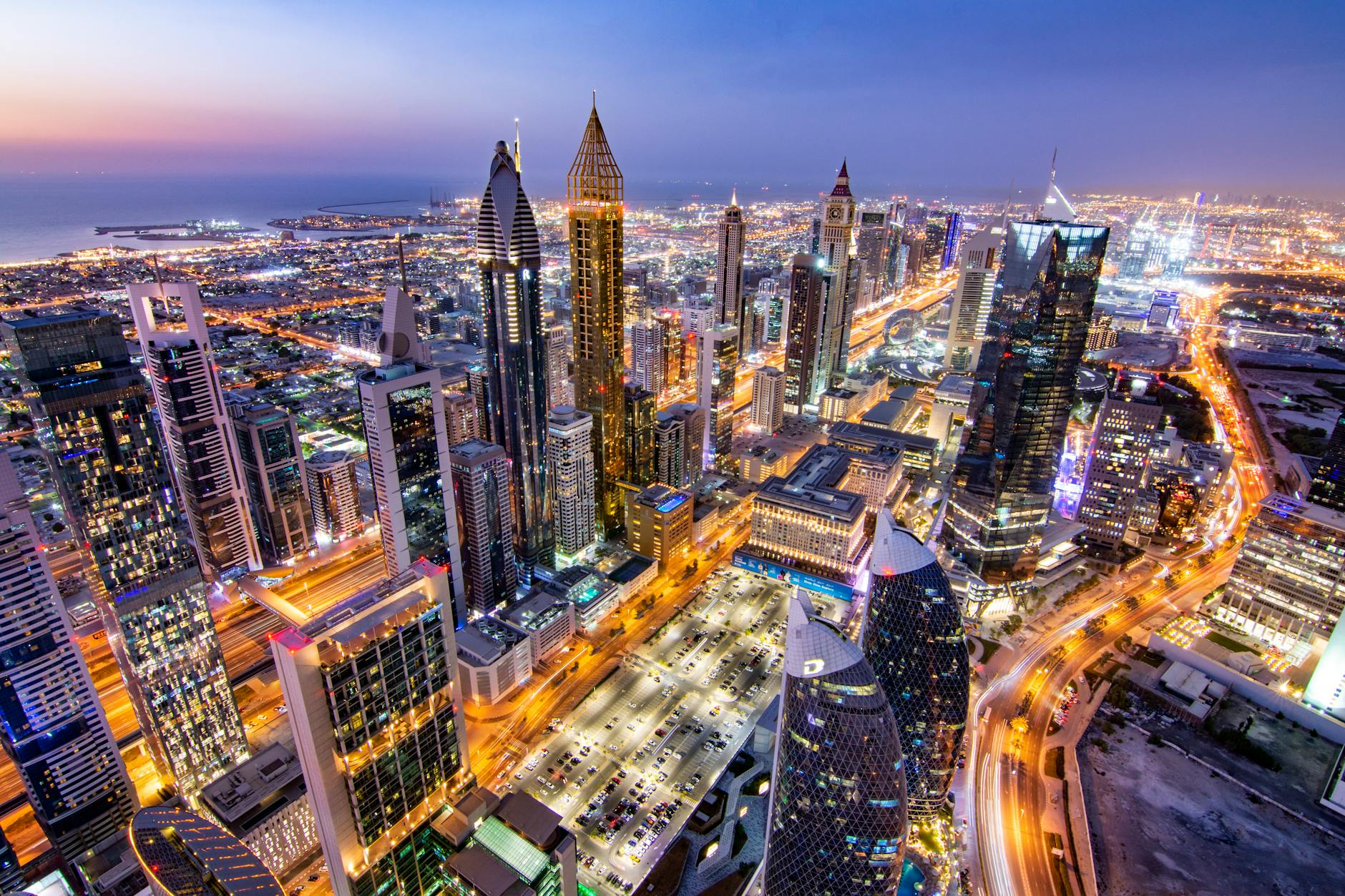
Fortune Gulf Brief's launch signals a strategic acknowledgment of the Middle East's shifting economic gravity. Once defined by energy exports, the region has undergone a decade-long transformation driven by ambitious GCC diversification plans like Saudi Vision 2030 and UAE 2031 goals. Non-oil sectors now exceed 78% of regional GDP, a dramatic departure from hydrocarbon dependency.
This metamorphosis has attracted significant investment and talent, positioning the Gulf as a dynamic hub for innovation and dealmaking. No longer just an exporter of raw materials, the region is a growing force in AI and sustainable energy. This rapid evolution, coupled with its role as a market bridge, created a clear demand for dedicated, in-depth business intelligence—a need Fortune is now poised to fill.
Why This Cannot Be Ignored
The economic stakes for the Middle East and the global business community are immense. Accelerated diversification means regional policy shifts reverberate worldwide, impacting critical mineral and advanced manufacturing supply chains. Moreover, Gulf sovereign wealth funds, crucial global investors, face heightened scrutiny over risk exposure.
Continued geopolitical tension amplifies economic disruption risks. Companies reliant on Middle Eastern markets or sourcing from the region face escalating operational challenges and costs. This volatility deters new investment and erodes confidence, potentially reversing diversification gains. The financial health of giants like Saudi Aramco is intrinsically tied to regional stability, underscoring the urgency.
Possible Paths Forward
Reinforcing diplomatic channels and de-escalation is a critical path forward. Increased dialogue among regional powers, bolstered by international mediation, can reduce conflict threats and stabilize the investment environment. Simultaneously, sustained commitment to economic diversification, as exemplified by Oman's Vision 2040 focusing on tourism and logistics, builds essential resilience.
From an investment standpoint, agile and diversified portfolios are key. Spreading capital across geographies and asset classes mitigates over-reliance on single markets. Learning from regions like Southeast Asia, which navigated crises through transparent regulatory frameworks and robust legal protections, can bolster investor confidence amidst uncertainty.

Questions People Are Actually Asking
What to Watch
- Key regional diplomatic summits in Q3 2024, especially involving GCC states and Iran, as indicators of de-escalation potential.
- Announcements of significant foreign direct investment into non-oil sectors across Saudi Arabia and the UAE within the next six months.
- Quarterly earnings reports from major Gulf corporations like Saudi Aramco for early signs of market impact from regional instability.
- Finalization of regulatory frameworks for emerging industries such as green hydrogen and fintech in key GCC economies by year-end 2024.






Comments
No comments yet. Be the first to comment!