
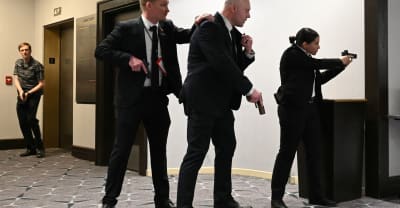
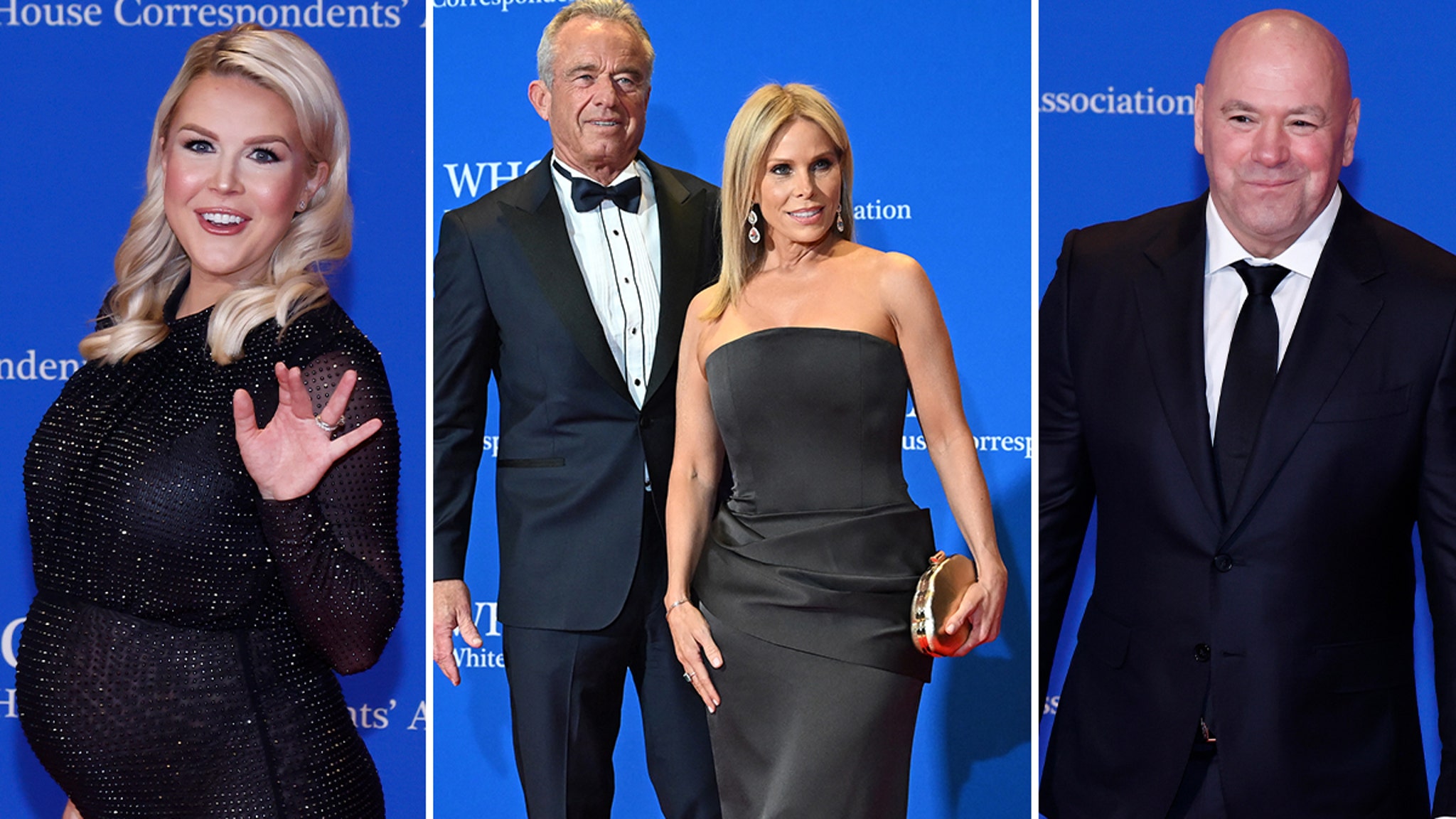
The notion that high-profile political gatherings in America are inherently safe spaces is a comforting illusion, shattered once again by the recent security incident at the White House Correspondents' Association dinner. This event, typically a celebratory affair meant to bridge the divide between the press and the presidency, instead served as a stark reminder that the currents of violence flowing through American politics are no longer confined to the fringes. The attempted breach and subsequent shooting outside the ballroom, while fortunately resulting in no life-threatening injuries, underscore a deeply unsettling reality: the normalization of political animosity has created an environment where such acts, once unthinkable, are becoming disturbingly predictable. This latest incident is particularly resonant because it occurred at an event attended by a constellation of figures who have themselves been touched by political violence. President Trump, who has faced multiple assassination attempts during his political career, was present. So too was the wife of Charlie Kirk, whose husband was recently killed at a campus event. Representative Steve Scalise, who survived a shooting at a congressional baseball practice, was there, as was Representative Jared Moskowitz, who played a role in investigating the January 6th Capitol attack. The presence of Robert F. Kennedy Jr., whose family has a tragic history of political assassinations, and the hotel's own notoriety as the site of the 1981 Ronald Reagan shooting, further cemented the atmosphere of palpable tension. These are not abstract statistics; they are personal histories interwoven with the fabric of political conflict. The immediate aftermath saw a swift response from Secret Service agents who neutralized the armed suspect, identified as Cole Tomas Allen, a 31-year-old teacher and engineer from Torrance, California. Allen had reportedly traveled to Washington D.C. by train and secured lodging at the very hotel hosting the dinner. The quick apprehension prevented further harm, but the chilling details—the suspect carrying a shotgun, a handgun, and knives—speak to a premeditated intent that sent shockwaves through the assembled dignitaries and journalists. The decision to postpone the event, rather than proceed, reflected the gravity of the situation and the understandable concerns for ongoing security. Why does this incident demand immediate national attention beyond the headlines? Because it signifies a dangerous escalation in a trend that has been steadily eroding the foundations of civil discourse and political engagement. The increasing polarization, fueled by hyper-partisan media ecosystems and amplified by social media echo chambers, appears to be crossing a critical threshold. When individuals feel so alienated or enraged by the political landscape that they resort to physical violence, the very stability of democratic institutions is called into question. This isn't merely about isolated acts; it's about the psychological impact of constant political warfare on individuals and the potential for it to metastasize. The broader implications are profound, affecting not only the high-profile individuals present but also the everyday citizens who engage with politics. The fear of violence can chill free speech, discourage political participation, and foster a climate of distrust that is detrimental to a healthy democracy. For those who have already experienced the trauma of political violence, such as the families of victims or survivors of attacks, this incident reopens old wounds and amplifies existing anxieties. It highlights the vulnerability of public figures and the growing challenge of ensuring safety at events where diverse political ideologies converge. The social media landscape reacted predictably, a mixture of outrage, concern, and unfortunately, partisan finger-pointing. Hashtags proliferated, dissecting the event through pre-existing political lenses. Some condemned the act unequivocally, while others used it as an opportunity to criticize opposing political factions or the security apparatus. This digital cacophony, while reflecting genuine public emotion, often serves to further entrench divisions rather than foster constructive dialogue about the root causes of such violence. The immediate online discourse, however, quickly shifted to debating the shooter's motives, which Acting Attorney General Todd Blanche stated were still under investigation. This event is not an anomaly but a symptom of a larger national malaise: the persistent and escalating threat of political violence in the United States. For years, experts have warned about the corrosive effects of rhetoric that demonizes opponents and the proliferation of extremist ideologies online. The January 6th Capitol riot, the numerous threats against elected officials, and now this incident, paint a consistent, grim picture. The United States has a troubling history with political violence, but the current climate, characterized by deep ideological rifts and widespread distrust, feels particularly volatile. The fact that a man could travel across the country, book a hotel room, and arm himself with multiple weapons to target a high-profile event suggests a level of determined extremism that requires a comprehensive national response. Looking ahead, the focus will undoubtedly remain on the suspect's motives and any potential accomplices. However, the more critical question is how this event will galvanize a broader societal conversation about de-escalation and the restoration of civility in public life. Will it prompt a re-evaluation of security protocols at all levels of government and public gatherings? Will it spur renewed efforts to combat the spread of extremist ideologies online and offline? The coming months will reveal whether this frightening incident serves as a genuine wake-up call or merely another disturbing footnote in America's ongoing struggle with political violence.
In Brief
A recent security incident at the White House Correspondents' dinner highlights the growing threat of political violence in America, echoing past traumas and raising urgent questions about national discourse and safety.Advertisement




Comments
No comments yet. Be the first to comment!