
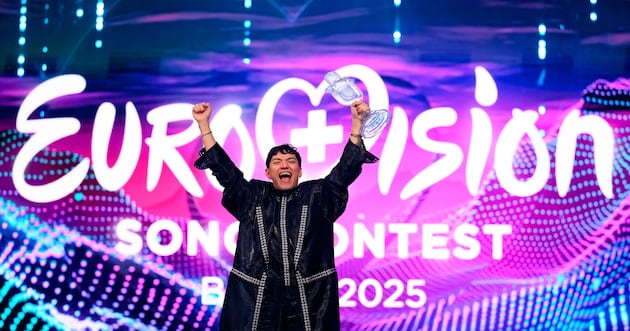
Forget the sequins and the catchy tunes for a moment; Eurovision, often dismissed as mere entertainment, has quietly evolved into a potent, albeit unintentional, instrument for projecting soft power and forging a distinct sense of Western identity. While millions tune in each year for the spectacle, the contest’s deeper implications extend far beyond the immediate joy of a winning ballad. The Eurovision Song Contest, with its roots tracing back to the post-war era, was initially conceived as a way to unite a fractured Europe through shared cultural experience. In the 1970s, amidst the chilling backdrop of the Cold War, political instability in Southern Europe, and economic turmoil, the Eurovision broadcast offered a curious escape. Images of a Swedish conductor dressed as Napoleon or a performer in silver boots alongside a sequined band might seem frivolous, yet they represented a deliberate departure from the anxieties of the time. The upbeat, often saccharine, melodies, coupled with lyrics frequently espousing unity and compassion, served as a subtle counter-narrative to the prevailing global tensions. This juxtaposition of lighthearted performance against a somber geopolitical landscape is a recurring theme, highlighting Eurovision's capacity to provide a unifying, hopeful vision that transcends national borders. The evolution of Eurovision into a symbol of Western values and a cornerstone of a nascent continental identity is a fascinating, if accidental, phenomenon. The contest provides a unique platform where diverse nations, often with complex histories and political differences, come together in a spirit of friendly competition. This shared experience, broadcast to millions, fosters a sense of camaraderie and mutual recognition that had been largely absent in the pre-contest era. The very act of participation, of presenting one's national culture on a grand European stage, contributes to this evolving continental consciousness. It’s a space where cultural diplomacy can flourish, allowing for the exchange of ideas and artistic expression in a way that bypasses traditional political channels. The Eurovision stage, therefore, becomes more than just a venue for music; it transforms into a symbolic arena where a collective European identity is performed and reinforced year after year, celebrating shared cultural touchstones amidst individual national pride. The concept of soft power, the ability to influence through attraction and persuasion rather than coercion, finds a compelling case study in Eurovision. By consistently showcasing a particular set of values – inclusivity, creativity, and a commitment to peace and cooperation – the contest subtly shapes perceptions of Europe on a global scale. When countries send acts that embody these ideals, they are not just competing for a trophy; they are also projecting an image of themselves and, by extension, of the continent. This projection can influence international relations, tourism, and even investment, as it cultivates a positive and appealing brand for Europe. The shared experience of watching and discussing Eurovision creates a common cultural reference point, strengthening bonds among participating nations and fostering a sense of belonging to a larger, shared European project. This cultural resonance is a powerful, albeit indirect, form of influence that operates on a deeply human level, connecting people through shared enjoyment and artistic appreciation. However, the notion of Eurovision as a tool for soft power is not without its complexities and criticisms. While it undoubtedly fosters a sense of unity and shared cultural identity, it also inevitably becomes a stage for political undertones and nationalistic fervor. The voting patterns, often influenced by geopolitical alliances and historical grievances, can reveal underlying tensions that contradict the contest's message of harmony. Furthermore, the emphasis on Western values, while attractive to many, can also be perceived as exclusionary by those outside the European Broadcasting Union's sphere of influence. The contest’s narrative of unity and progress, while aspirational, sometimes struggles to fully represent the diverse realities and challenges faced by all European nations. Therefore, while Eurovision is a powerful cultural force, its role as a purely benign instrument of soft power is debatable, as it navigates the intricate interplay of cultural exchange, national pride, and international politics. The question of whether Eurovision is a deliberate tool for soft power or an emergent phenomenon is a subject of ongoing debate. While the European Broadcasting Union, the organizing body, likely focuses on producing a successful entertainment event, the unintended consequences of such a large-scale cultural exchange are undeniable. The contest’s enduring appeal lies in its ability to blend national pride with a broader sense of European solidarity. Each participating country presents its unique cultural identity, yet the overarching theme of coming together to celebrate music creates a collective experience. This dual nature allows for both individual expression and a shared continental narrative, reinforcing the idea of a diverse yet interconnected Europe. The success of acts that champion messages of peace, love, and understanding further solidifies this image, making Eurovision a compelling, if informal, ambassador for a particular vision of Europe. Looking ahead, Eurovision’s role in shaping European identity and projecting soft power is likely to continue evolving. As the geopolitical landscape shifts and new challenges emerge, the contest will undoubtedly adapt, reflecting the changing dynamics of the continent. The increasing participation of countries outside the traditional European sphere, and the growing global viewership, suggest that Eurovision’s influence is expanding. This wider reach presents both opportunities and challenges. It offers a chance to further promote European values and cultural exchange on a global stage, but it also necessitates a greater awareness of the diverse perspectives and sensitivities of a broader audience. The future of Eurovision will likely see a continued balancing act between celebrating national uniqueness and fostering a shared continental identity, all while navigating the complex currents of international politics and cultural diplomacy. The Eurovision Song Contest, therefore, stands as a testament to the power of shared cultural experiences. It has managed to transcend its origins as a simple broadcast experiment to become a significant cultural phenomenon that influences perceptions and strengthens bonds across a continent. While its primary aim might be entertainment, its impact on fostering a sense of Western identity and its function as an unintentional purveyor of soft power are profound. The contest provides a common ground where nations can engage with each other through the universal language of music, creating moments of shared joy and collective memory. This cultural diplomacy, facilitated by catchy melodies and dazzling performances, plays a crucial role in weaving the intricate tapestry of European unity and projecting a positive image to the rest of the world. Ultimately, the enduring legacy of Eurovision lies in its ability to create a space for connection and understanding in an often-divided world. It demonstrates that even in the face of political and economic challenges, shared cultural pursuits can bridge divides and foster a sense of commonality. The contest’s ability to evolve and adapt, while retaining its core appeal, ensures its continued relevance as both a beloved entertainment event and a subtle yet significant force in shaping European identity and soft power. The performances, the voting, and the shared reactions all contribute to a collective narrative that strengthens the sense of belonging to something larger than oneself, a testament to the unifying power of music and shared experience.
In Brief
Eurovision, often seen as mere entertainment, has become an unintentional force in shaping Western identity and projecting soft power. The contest's blend of national pride and continental solidarity fosters unity through music, influencing perceptions beyond its glittering stage.Advertisement



Comments
No comments yet. Be the first to comment!