
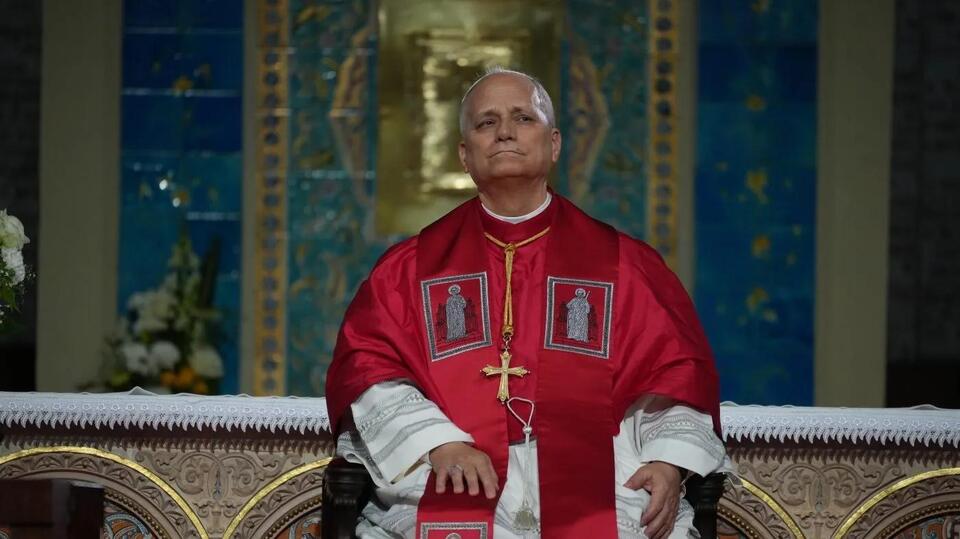
It's usually a time for careful diplomacy and respectful, if sometimes divergent, viewpoints when high-ranking American officials address the Vatican. But this week saw a dramatic shift in tone, as senior Trump administration figures delivered unusually blunt directives to Pope Leo XIV, essentially telling him to mind his words on theology and stay out of politics entirely.
The strong rebuke came from Vice President Vance, a Catholic himself, who publicly warned Pope Leo XIV to “be careful” when speaking on theological matters. This caution followed the Pope’s recent comments, particularly his opposition to the conflict with Iran and his assertion that Jesus’s followers are “never on the side of those who once wielded the sword and today drop bombs.” Vance, speaking at a Turning Point USA event, acknowledged the pontiff’s role as an advocate for peace but stressed the importance of theological statements being “anchored in the truth,” a standard he expects from all clergy.
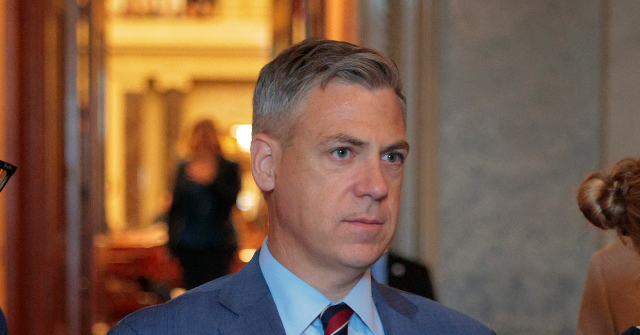
Adding to the administration’s vocal pushback, White House border czar Tom Homan delivered his own unvarnished message to the Pope: “leave politics alone.” Homan, also a Catholic, expressed his disappointment on Newsmax with the Vatican's focus on political issues like immigration, suggesting the Church has enough internal problems to fix. He wished the Church would “stay out of immigration because they don’t know what they’re talking about,” echoing similar comments made earlier in the day.
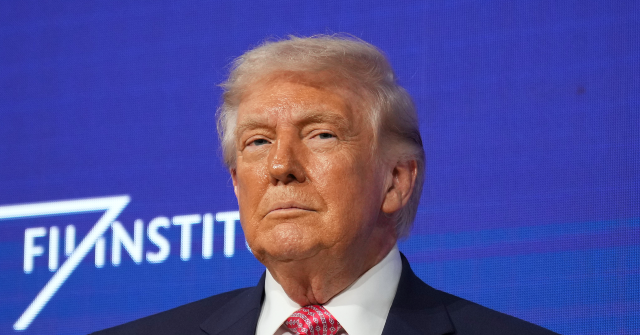
These pointed remarks from Vance and Homan are not isolated incidents but rather a significant escalation in a highly public and ongoing clash between President Trump and Pope Leo. The dispute has been simmering for days, sparked by Trump’s criticism of the pontiff’s opposition to U.S. military action abroad and the Pope’s subsequent responses, creating an unusual dynamic between two powerful global figures.
For readers, this remarkable turn of events signals a new chapter in the often delicate relationship between Washington and the Vatican. It suggests that traditional deference may be giving way to more direct confrontation, particularly when religious leaders weigh in on policy issues that challenge the administration’s agenda. This public friction could prompt deeper reflection among American Catholics and observers alike about the appropriate intersection of faith, politics, and international relations in an increasingly polarized world.



Comments
No comments yet. Be the first to comment!