
What We Know
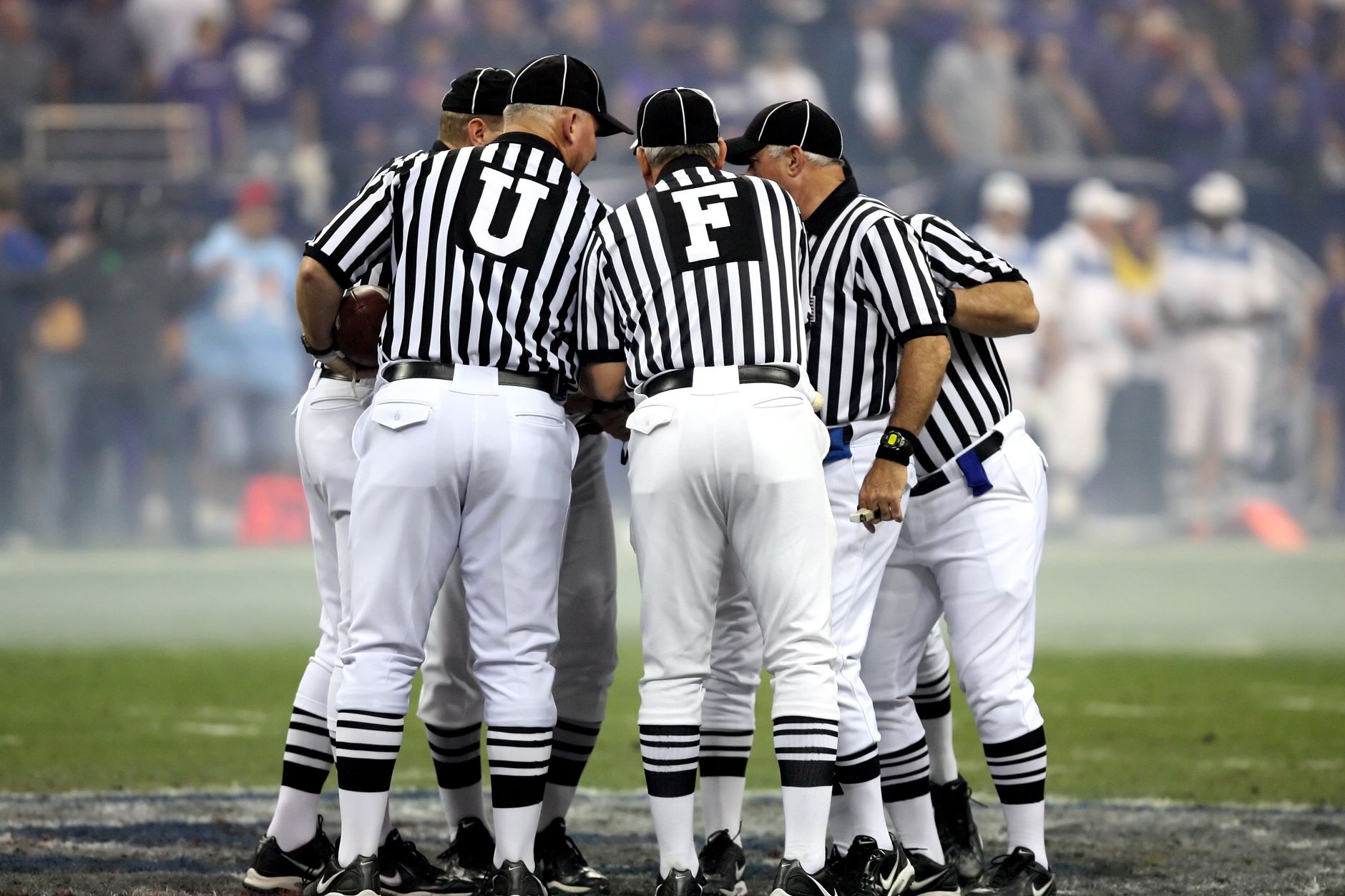
- Referee Michael Oliver, a highly respected English official, has officially withdrawn from his initial World Cup appointment, casting a shadow over his tournament participation.
- He was originally slated to take charge of the eagerly anticipated Group B encounter between the United States and Wales, a pivotal match for both nations.
- The withdrawal stems from a hamstring injury that Oliver sustained during a demanding Premier League fixture just prior to the World Cup commencement.
- FIFA has swiftly announced Moroccan referee Redouane Jiyed as Oliver's direct replacement, ensuring continuity for the crucial USA vs. Wales game.
- Despite the immediate setback, Oliver is expected to remain with the officiating contingent in Qatar, harboring hopes of a full recovery to participate in later stages of the prestigious tournament.
- This incident underscores the intense physical demands placed on elite referees, who must maintain peak fitness to perform at the highest level of international football.
What We Do Not Know Yet
- The precise medical assessment of Oliver's hamstring injury, including its exact grade and the definitive timeline required for his full recovery, remains undisclosed.
- Uncertainty persists regarding whether Oliver will achieve sufficient fitness to officiate any subsequent matches during the ongoing World Cup tournament.
- The potential ripple effects on FIFA's broader referee appointment strategy are unclear, especially if Oliver's injury proves to be a long-term issue affecting later knockout stages.
- How this sudden change might impact the preparation and psychological state of the officiating team originally assigned to work alongside Oliver for the USA vs. Wales match is currently unknown.
- Whether FIFA has a specific contingency plan or a deeper pool of standby officials ready to step in for such high-profile injuries beyond the immediate replacement is not publicly detailed.
- The long-term implications for Oliver's career or future major tournament appointments, should this injury lead to prolonged absence, are yet to be determined.
Background
Michael Oliver stands as one of England's most distinguished and highly-rated football referees, a testament to his consistent performance and authoritative presence on the pitch. His journey to becoming a FIFA-listed international referee in 2012 solidified his status among the global elite, enabling him to officiate high-stakes matches across various continents. The appointment to the World Cup in Qatar represented a pinnacle achievement in his career, recognizing him as one of the select few officials deemed capable of managing the immense pressure and scrutiny inherent in football's most prestigious tournament. This unfortunate hamstring injury, sustained at such a critical juncture, undeniably delivers a significant blow to his long-held World Cup aspirations and personal ambition.
Oliver's officiating style is often characterized by a calm demeanor, clear decision-making, and a willingness to allow the game to flow, attributes that have earned him widespread respect from players, managers, and pundits alike. He has overseen numerous high-profile fixtures, including FA Cup Finals, League Cup Finals, and crucial Premier League title deciders, consistently demonstrating his capability to handle intense environments. His experience extends to the UEFA Champions League, where he has regularly taken charge of knockout-stage matches, further cementing his reputation as a world-class official. This extensive background highlights the caliber of the referee now sidelined by injury.
The physical demands placed upon modern football referees are often underestimated, requiring them to cover significant distances at high intensity, often mirroring the efforts of professional athletes. Referees undergo rigorous fitness tests and continuous monitoring to ensure they can keep pace with the game's evolving speed and physicality. Oliver's injury serves as a stark reminder that even the most meticulously prepared officials are susceptible to the physical tolls of their profession. His swift withdrawal, while disappointing, underscores FIFA's commitment to ensuring all officials are at peak physical condition for the demands of a World Cup match, prioritizing player safety and match integrity.
Why It Matters
The integrity and impartiality of officiating are paramount in a tournament of the World Cup's immense global magnitude. Every decision, every call, is scrutinized by billions, making the selection and readiness of referees absolutely critical. While the absence of a single referee might initially appear to be a minor detail amidst the grand spectacle, it profoundly underscores the rigorous physical demands placed on these elite officials. Any disruption to the carefully curated refereeing teams can subtly, yet significantly, affect the rhythm, preparation, and overall cohesion of the officiating unit, potentially impacting the flow and fairness of a match.
This incident brings into sharp focus the exacting physical standards FIFA expects from its top officials. Referees are not merely rule enforcers; they are athletes who must maintain peak physical condition to keep up with the world's fastest players, ensuring optimal positioning for accurate decision-making. Oliver's injury highlights the fine line between peak performance and physical breakdown, even for those at the pinnacle of their profession. It serves as a stark reminder that the physical toll of officiating at the highest level is considerable, requiring constant vigilance and recovery protocols to mitigate risks.
Furthermore, the swift replacement of a referee for a high-profile match like USA vs. Wales, while necessary, introduces an element of unforeseen change into a meticulously planned system. While Redouane Jiyed is an experienced official, every referee brings a unique style and interpretation, which can subtly influence the dynamics of a game. For players and coaches, consistency in officiating is often valued, and a last-minute change, even with a competent replacement, can be a point of discussion or adjustment. This event reinforces the unpredictable nature of live sports and the constant need for robust contingency planning within major tournaments.
Timeline of Events
- Early November 2022: Michael Oliver officiates a demanding Premier League match, during which he reportedly sustains the hamstring injury that would later impact his World Cup participation.
- November 17, 2022: FIFA officially announces the referee appointments for the initial round of World Cup matches, prominently featuring Michael Oliver assigned to the highly anticipated USA vs. Wales fixture.
- November 18, 2022: News breaks that Oliver has regrettably withdrawn from his scheduled USA vs. Wales match due to the severity of his hamstring injury, prompting immediate concern.
- November 18, 2022: FIFA promptly confirms the appointment of Moroccan referee Redouane Jiyed as Michael Oliver's replacement, ensuring the continuity of officiating for the crucial Group B encounter.
- November 21, 2022: The Group B match between the United States and Wales is scheduled to proceed as planned, now under the charge of the newly appointed official, Redouane Jiyed.
- Post-November 21, 2022: Oliver's recovery progress will be closely monitored by FIFA and medical staff, with hopes for his potential return to officiating duties in the later stages of the tournament.
Rapid-Fire Q&A
What Is Coming
- Intensive monitoring of Michael Oliver's recovery progress by FIFA's medical team, assessing his rehabilitation and potential readiness for future assignments in the tournament.
- Anticipation of further announcements from FIFA regarding referee appointments for the crucial knockout stages of the tournament, contingent on Oliver's fitness and other officials' performances.
- The USA vs. Wales match will proceed as scheduled, with Moroccan official Redouane Jiyed now tasked with overseeing the highly anticipated Group B encounter.
- Ongoing discussions and analysis within refereeing circles regarding the physical demands on officials and strategies to prevent such injuries in high-stakes environments.
- Potential for other referees within the FIFA pool to step up and demonstrate their capabilities, especially if Oliver's absence extends beyond the initial stages.
- Closer scrutiny on referee fitness protocols and injury management strategies implemented by FIFA, ensuring optimal performance and well-being for all officials throughout the demanding tournament.

Comments
No comments yet. Be the first to comment!