
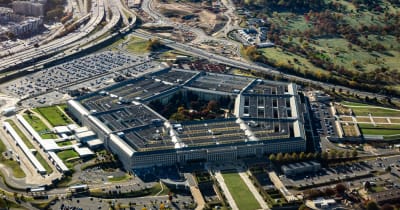
The hum of servers and the quiet ambition of innovation are now deeply intertwined with national security as the Pentagon has inked a series of agreements with leading artificial intelligence firms. These pacts are designed not merely to keep pace with technological advancements, but to proactively integrate cutting-edge AI into critical defense systems. For the individuals on the ground, from the soldier in the field to the analyst in a secure facility, this signifies a coming wave of tools that could dramatically alter how information is processed, threats are identified, and decisions are made. The potential benefits are immense: faster response times, more accurate intelligence, and potentially fewer human errors in high-stakes situations. The move represents a significant shift in how the Department of Defense approaches its technological modernization. For years, the pace of innovation within the military often lagged behind the private sector. Now, by formalizing partnerships with companies that are at the forefront of AI research and development, the Pentagon aims to bridge that gap. These agreements aim to streamline the process by which classified work is contracted and executed, reducing bureaucratic hurdles that have historically slowed down the adoption of new technologies. The goal is to create a more agile and responsive defense ecosystem, capable of leveraging the latest breakthroughs in machine learning, natural language processing, and computer vision. One of the key factual underpinnings of this initiative is the establishment of new frameworks for collaboration. Previously, companies might have had to navigate complex, project-specific contracts for each piece of classified AI work. These new deals, however, aim to create broader authorization for a wider range of sensitive projects. This allows for a more consistent and predictable pipeline of work for the tech companies involved, fostering deeper investment and specialization in defense-related AI. Sources familiar with the negotiations indicate that companies like Google, Microsoft, and Amazon, which have robust AI divisions, are among those being brought into closer alignment with the Pentagon's strategic AI roadmap. Expert analysis suggests that this strategic pivot is a necessary evolution in the face of escalating global technological competition. Dr. Evelyn Reed, a senior fellow at the Institute for Strategic Technologies, commented, "The sheer volume and complexity of data generated in modern conflict zones are beyond human capacity to process in real-time. AI offers a powerful solution, but its development and deployment within a national security context require trust, transparency, and robust security protocols. These partnerships are a crucial step towards achieving that." The broader impact extends beyond the immediate military applications. The development of AI for defense purposes often has spillover effects into the civilian sector, driving innovation in areas such as data analytics, cybersecurity, and autonomous systems. Furthermore, these partnerships could reshape the landscape of tech contracting, signaling a greater emphasis on dual-use technologies that can serve both commercial and defense needs. This could lead to increased investment in AI talent and infrastructure across the nation. However, the integration of AI into defense also raises significant ethical and operational questions. Concerns about autonomous weapons systems, the potential for algorithmic bias, and the secure handling of sensitive data are paramount. The Pentagon is reportedly establishing rigorous oversight mechanisms and ethical guidelines to govern the use of AI in its operations. The challenge lies in balancing the need for rapid advancement with the imperative to maintain human control and ethical responsibility over lethal force. Looking ahead, the success of these alliances will hinge on several factors. The ability of the Pentagon to effectively manage these complex relationships, ensure data security, and maintain public trust will be critical. Furthermore, the ongoing adaptation of military doctrine to incorporate AI capabilities will be a continuous process. The long-term implications could see a fundamental redefinition of military operations, intelligence gathering, and strategic deterrence, making this a story that warrants close observation as these new collaborations mature. The immediate next steps will involve the detailed implementation of these agreements. Specific projects are expected to be greenlit, and the initial integration of AI tools into training exercises and operational planning will begin. The public and policymakers will be watching closely for transparency regarding the types of AI being developed and deployed, as well as the safeguards in place to mitigate potential risks. This era of accelerated AI integration into defense marks a pivotal moment, the full consequences of which will unfold over the coming years.
In Brief
The Pentagon is forging new alliances with top tech companies to rapidly integrate artificial intelligence into its operations, signaling a major shift in defense strategy and a race for technological supremacy.Advertisement




Comments
No comments yet. Be the first to comment!