
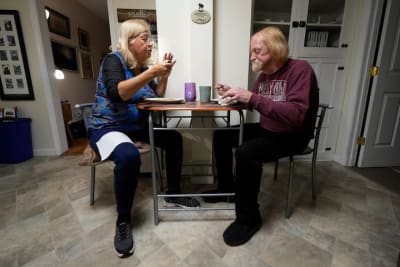
The enduring challenge of ensuring consistent and comprehensive care for older adults, particularly those with chronic conditions or living in underserved areas, has long been a focus of public health initiatives. For decades, the medical establishment has grappled with the limitations of episodic doctor visits, which often fail to address the complex social determinants that profoundly impact patient well-being and recovery. From the initial rollout of Medicare in the 1960s to subsequent policy shifts aimed at integrating social services with healthcare, the need for a more holistic approach has been evident. Yet, a significant gap has persisted, leaving many patients to navigate the healthcare system and their daily lives with insufficient support. This void is increasingly being filled by a dedicated cadre of professionals known as community health workers (CHWs). These individuals, deeply embedded within their local communities, serve as crucial intermediaries, translating the often-impersonal language of healthcare into actionable support for patients. Unlike clinicians who focus solely on medical diagnoses, CHWs address the broader spectrum of a patient's needs. They might help an elderly woman facing mobility issues after surgery reconnect with her faith community by arranging transportation, or assist a patient with heart failure living in substandard housing to explore options for more suitable accommodations. Their work transcends the clinic walls, extending into the very fabric of patients' lives. Recent investigations reveal a significant surge in the utilization and recognition of CHWs, driven by growing evidence of their effectiveness in improving health outcomes and reducing healthcare costs. The Bureau of Labor Statistics estimates there are approximately 65,000 CHWs nationwide, though organizations like the National Association of Community Health Workers suggest this figure may be a conservative underestimate. This growth is partly attributed to the diverse nomenclature used for these roles—community health educators, outreach specialists, promotores de salud—and varying state-level regulations, which can complicate precise enumeration. Nevertheless, their shared mission is clear: to empower individuals and communities by providing accessible, culturally competent support. Data emerging from pilot programs and larger-scale implementations underscore the tangible benefits CHWs bring. Studies have indicated that CHW interventions can lead to improved medication adherence, reduced hospital readmission rates, and better management of chronic diseases like diabetes and hypertension. For instance, a patient struggling with social isolation and recovering from surgery might be connected with local resources for transportation, enabling them to attend vital social engagements that contribute to their mental and emotional recovery. Similarly, a CHW can spend hours investigating housing options for someone with a chronic illness living in inadequate conditions, a task far beyond the scope of a typical medical appointment. The impact of CHWs resonates profoundly with patient advocates and healthcare providers alike. "They talk like the people they serve, they understand the cultural context, and they build trust in a way that a doctor often can't in a 15-minute appointment," stated Dr. Elena Ramirez, a primary care physician in a busy urban clinic. This intrinsic understanding and rapport are invaluable, particularly when addressing sensitive issues like mental health or navigating complex bureaucratic systems for social services. CHWs act not just as navigators but as compassionate listeners, offering comfort and practical solutions that address the root causes of health disparities. This expanding role for CHWs, however, is not without its potential disruptors and beneficiaries. Healthcare systems that embrace integrated CHW programs stand to gain from reduced emergency room visits and hospitalizations, leading to significant cost savings. Insurers are increasingly recognizing the return on investment, with some exploring reimbursement models for CHW services. Conversely, traditional healthcare providers who remain resistant to incorporating CHWs into their patient care models may find themselves at a competitive disadvantage. Furthermore, the professionalization of the CHW field, while beneficial for standardization and recognition, could also present challenges for individuals currently working in informal capacities. The conversation surrounding CHWs has gained significant traction on social media platforms, with personal stories and testimonials highlighting their indispensable role. Hashtags like #CommunityHealth and #CHWpower frequently feature narratives of individuals whose lives have been positively transformed by the intervention of these dedicated workers. These online discussions often serve as a powerful advocacy tool, raising public awareness and encouraging policymakers to invest further in CHW programs. This digital groundswell amplps; a grassroots movement, amplifying the voices of those who have benefited directly from this essential layer of support. Looking ahead, the trajectory for community health workers appears poised for continued expansion. As healthcare systems increasingly prioritize value-based care and patient-centered approaches, the CHW model offers a compelling solution for addressing complex health needs. Key developments to watch will include the formalization of reimbursement policies by major payers, the establishment of standardized training and certification pathways across states, and the integration of CHW services into electronic health records. The ability of CHWs to bridge the gap between medical care and the realities of patients' lives positions them as indispensable partners in the future of public health.
In Brief
Community health workers are increasingly vital in supporting older patients, addressing social determinants of health, and bridging gaps in care between doctor visits. Their unique role offers a humanistic approach to healthcare.Advertisement




Comments
No comments yet. Be the first to comment!