

What We Know
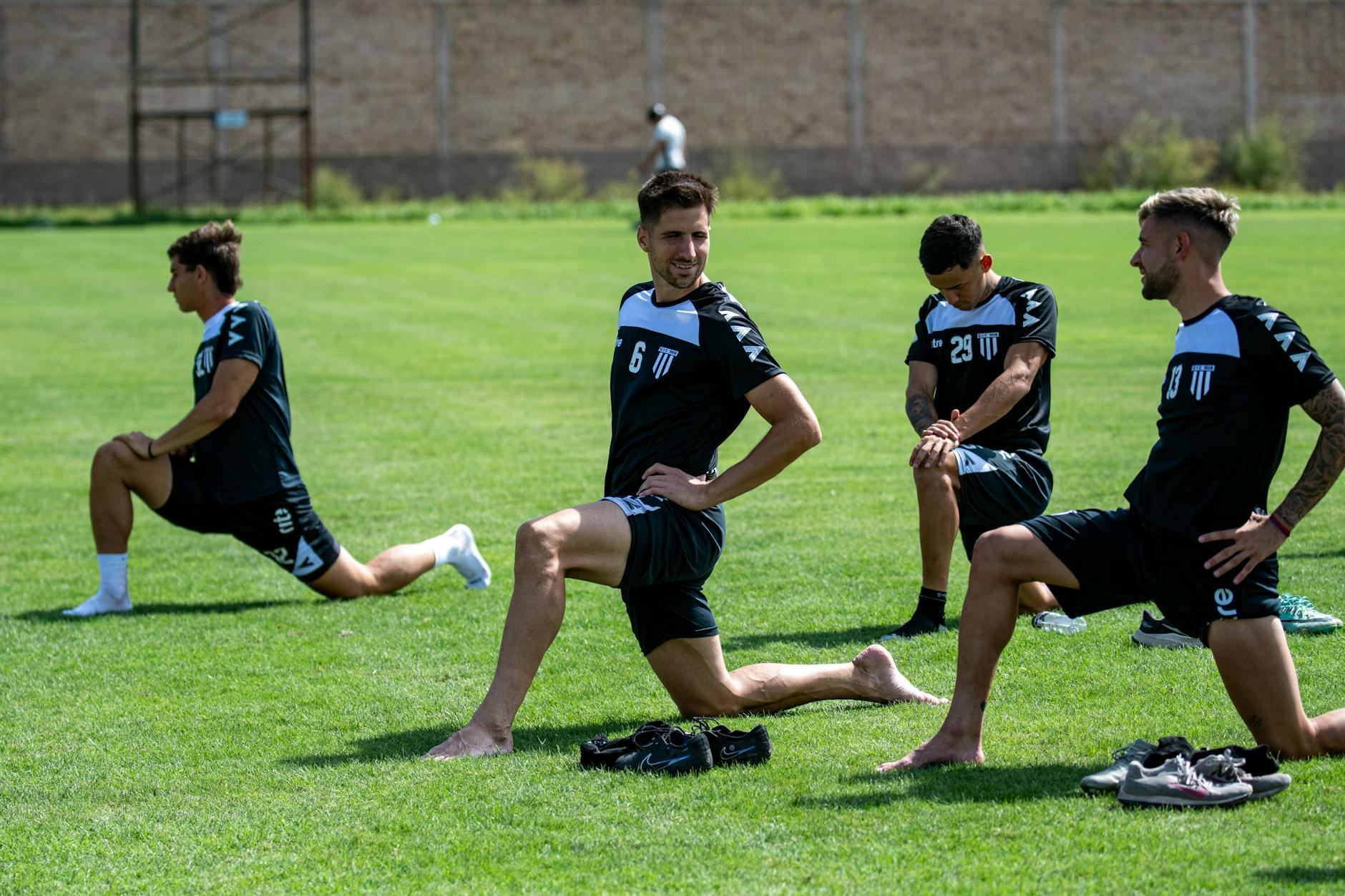
Dallas Cowboys wide receiver CeeDee Lamb has conspicuously missed the team's voluntary offseason workouts, a development that has quickly ignited speculation throughout the fanbase and the wider NFL community. While these sessions are technically optional, a player of Lamb's caliber and importance to the team's offensive scheme typically participates, making his absence noteworthy. The Cowboys have begun their organized team activities (OTAs) without their star pass-catcher, raising questions about his current status and availability. No official reason has been provided by the team or Lamb's representatives for his decision to skip these crucial early-season training periods. This lack of transparency only fuels the ongoing discourse surrounding his future with the franchise, particularly concerning his contract situation, which is a significant factor in these discussions.
Lamb is entering a contract year, and his absence from voluntary workouts is often interpreted as a leverage play in ongoing contract negotiations. Players in similar situations frequently use these periods to signal their dissatisfaction or to emphasize their desire for a new deal that reflects their market value and contributions. The timing of his absence, coinciding with the team's initial preparations for the upcoming season, amplifies the narrative that contract discussions may be at an impasse or have stalled altogether. Without a new agreement in place, Lamb's participation in mandatory minicamps and, more critically, training camp remains uncertain, potentially impacting his readiness for Week 1 and the Cowboys' offensive cohesion.
The Cowboys organization, meanwhile, has maintained a public stance of professionalism and understanding regarding player participation in voluntary activities. Head coach Mike McCarthy and other team officials have consistently emphasized the importance of player health and individual circumstances, often downplaying absences from non-mandatory events. However, the strategic significance of Lamb's presence during OTAs cannot be overstated. These workouts are vital for building chemistry with new offensive personnel, refining schemes under the new coaching staff, and establishing the rhythm necessary for a successful season. His absence creates a void not only on the field but also in the locker room's leadership dynamic.
The Road to Now
CeeDee Lamb was drafted by the Dallas Cowboys in the first round of the 2020 NFL Draft, and he has since developed into one of the league's premier wide receivers. His production has steadily increased year over year, culminating in a career-best 2023 season where he recorded 135 receptions for 1,749 receiving yards and 12 touchdowns. These elite statistics have positioned him for a significant contract extension, placing him among the highest-paid receivers in the NFL. The Cowboys have a history of prioritizing their star players, but contract negotiations can often be complex, involving intricate details about guaranteed money, length of the deal, and annual value, all of which can lead to prolonged discussions and potential player holdouts or absences.
The current NFL landscape sees wide receiver contracts escalating rapidly, with several players recently signing deals that exceed $25 million per year. Lamb's performance metrics and his role as the undisputed No. 1 target in the Cowboys' potent offense strongly suggest he is seeking a deal commensurate with these top-tier contracts. His absence from voluntary workouts can be seen as a calculated move to apply pressure during these negotiations, especially as the market value for his position continues to climb. This strategy is not uncommon in the league, as players aim to maximize their financial security and long-term value before potential career-ending injuries occur.
The Cowboys' offseason has already been marked by significant coaching changes, including the departure of offensive coordinator Kellen Moore and the hiring of Brian Schottenheimer. This transition period requires players to adapt to new schemes and communication styles, making consistent attendance during OTAs and minicamps particularly valuable. Lamb's absence means he is missing out on crucial repetitions and learning opportunities under the new offensive leadership, potentially creating a slight disadvantage as he aims to integrate seamlessly once he does return. The team's ability to navigate these personnel and schematic adjustments is critical for their sustained success, and any disruption involving a key player like Lamb warrants close observation.
Why This Matters
CeeDee Lamb's absence from voluntary workouts sends ripples through the Cowboys' organization and its aspirations for the upcoming season. As the undisputed offensive centerpiece, his leadership and on-field production are paramount. Missing these early sessions means he forfeits valuable time to build rapport with quarterback Dak Prescott, integrate new offensive concepts, and establish the crucial timing and chemistry that defines a successful passing game. This delay could potentially hinder the offense's overall efficiency and explosiveness from the outset, forcing the team to play catch-up once Lamb rejoins the fold, which is a concerning prospect for a team with Super Bowl aspirations.
Furthermore, the optics of a star player holding out, even from voluntary workouts, can create a subtle but tangible distraction within the locker room. While teammates often express understanding, it can also foster an environment where other players begin to question their own contract situations or the team's commitment to retaining its core talent. This uncertainty can subtly erode team morale and focus, especially during a critical period of preparation. The Cowboys need a unified front heading into the season, and any perceived discord, particularly involving a player of Lamb's stature, could negatively impact the team's collective mindset and performance.
From a financial and contractual standpoint, Lamb's absence is a clear indicator that contract negotiations are a primary driver. His current deal is significantly below market value for an elite receiver, and securing a long-term agreement is essential for both his financial security and the Cowboys' long-term roster stability. Failure to reach an agreement could lead to a more prolonged holdout, potentially impacting his readiness for the regular season and forcing the Cowboys to navigate significant offensive challenges. The resolution of this situation will not only define Lamb's immediate future but also set a precedent for how the Cowboys approach contract negotiations with other key players.
The Ongoing Debate
The prevailing sentiment among many analysts and fans is that Lamb's absence is a strategic negotiation tactic, a common practice in the modern NFL when a player feels undervalued or seeks a lucrative long-term deal. Given his stellar performance and the escalating market for wide receivers, his desire for a contract that reflects his elite status is understandable. This perspective suggests that while it creates uncertainty, it's a calculated move to maximize his earning potential and secure his financial future, a decision many would make in a similar professional context.
Conversely, some argue that consistent participation, even in voluntary workouts, demonstrates a higher level of commitment and team-first mentality. This viewpoint emphasizes the importance of building team chemistry and understanding new schemes from the ground up, suggesting that any absence, regardless of the reason, potentially puts the player and the team at a slight disadvantage. Proponents of this view believe that players should prioritize team activities and address contract issues through direct dialogue with management, rather than through actions that could be perceived as disruptive.
A third perspective acknowledges the validity of both arguments, recognizing the dual nature of professional sports. Players must secure their financial future, and contract negotiations are a critical part of that process. However, the team also relies on the collective effort and presence of its players to achieve success. This balanced view suggests that while Lamb's actions are understandable from a personal standpoint, the ideal scenario involves reaching a contract agreement swiftly to allow him to fully participate and contribute to the team's immediate goals without distraction or disruption.

Questions Answered
Looking Ahead
The immediate future hinges on communication between CeeDee Lamb's representatives and the Cowboys' front office. All parties involved are likely engaged in ongoing discussions, aiming to bridge the gap between Lamb's contract expectations and the team's proposed offer. The intensity and frequency of these talks will dictate how quickly a resolution can be reached. Fans and analysts will be closely monitoring any official statements or leaks that emerge regarding the progress of these negotiations, as any sign of movement could signal an impending agreement or further complications.
Should a contract extension be agreed upon, Lamb would likely return to team activities promptly, eager to participate fully in the remaining offseason program and prepare for the upcoming season. This would alleviate concerns about his commitment and allow the Cowboys to focus on their on-field objectives. Conversely, if negotiations stall, the situation could escalate, potentially leading to Lamb's absence from mandatory minicamps and even training camp, which would significantly impact the team's preparation and create considerable uncertainty surrounding their star receiver.
Ultimately, the resolution of this contract situation is crucial not only for CeeDee Lamb's career trajectory with the Cowboys but also for the team's ability to compete at a high level. A swift and mutually beneficial agreement would reaffirm the commitment between player and franchise, fostering a positive environment for a championship run. Failure to do so could cast a shadow over the season, impacting morale, performance, and potentially the long-term relationship between one of the league's most dynamic playmakers and his team.

















Comments
No comments yet. Be the first to comment!