
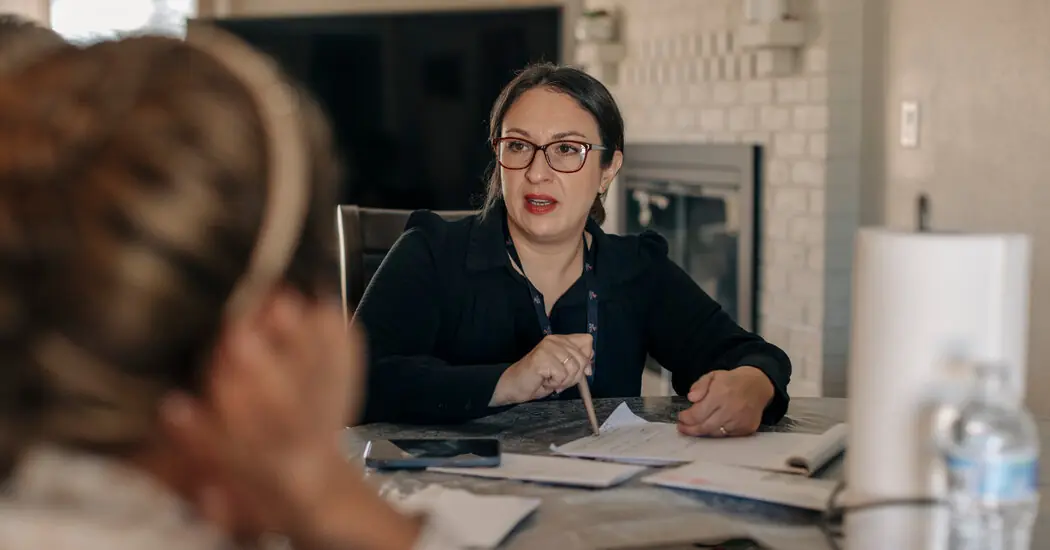
The gentle hum of the engine was a familiar sound to Sandy Guzman as she navigated the winding roads of rural Oregon. On this particular Monday, her destination was The Dalles, a small city where a patient in her sixties awaited. This woman, living alone, grappled with a profound sense of social isolation, a silent struggle that many older Americans face daily. Ms. Guzman, a community health worker, understood the critical need for connection and support beyond just medical care. Her visit was more than a check-up; it was a lifeline, offering companionship and practical assistance that could significantly improve the patient's quality of life. This scenario highlights a growing crisis: the increasing need for social and practical support among the elderly population. As demographics shift and families become more geographically dispersed, many seniors find themselves without the regular human interaction and assistance that are vital for their well-being. This lack of connection can lead to a cascade of negative health outcomes, including depression, cognitive decline, and increased susceptibility to physical ailments. The services provided by community health workers like Ms. Guzman are not merely supplementary; they are foundational to maintaining the health and dignity of our aging population. The implications of this issue extend far beyond individual suffering. Widespread social isolation among seniors places a significant burden on healthcare systems and social services. When individuals lack consistent support, preventable health issues can escalate, leading to more frequent hospitalizations and a greater demand for emergency care. Furthermore, the emotional toll of loneliness can diminish an individual's will to engage with life, impacting their overall engagement with society and their ability to contribute their wisdom and experience. Addressing this challenge requires a multi-faceted approach. It involves not only expanding programs that provide in-home support and social engagement opportunities but also fostering a societal shift in how we value and care for our older citizens. Investing in community health worker programs, promoting intergenerational connections, and creating accessible social hubs are crucial steps. By recognizing the profound impact of social connection on health, we can begin to build a future where no senior is left to face the challenges of aging alone, ensuring they receive the comprehensive help they truly need and deserve.
In Brief
Many older Americans, like a patient in rural Oregon, struggle with social isolation. Community health workers provide essential support, bridging the gap and improving seniors' quality of life.Advertisement





Comments
No comments yet. Be the first to comment!